
Plants
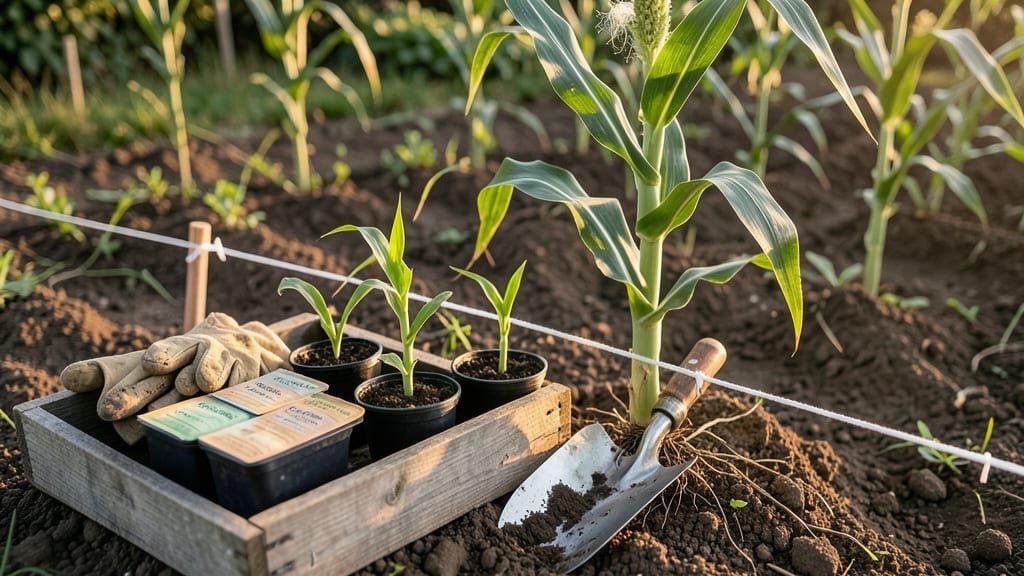
Planting corn in San Diego might seem tricky with its unpredictable microclimates, but getting the timing right means the difference between sweet, plump ears and bitter disappointment.
Here’s the secret: coastal areas play by one set of rules, while inland zones demand a different approach. With no frost to worry about, your window is wide—but heat stress and bolting lurk if you’re not careful.
I’ll show you exactly when to plant, whether you’re in La Jolla or El Cajon, so your 🌽 thrives from seed to harvest.
You’ll learn how to read soil temperatures (yes, they matter more than you think), when to start seeds indoors vs. direct sowing, and which varieties handle San Diego’s summer heat like a champ. No more guessing—just proven strategies for zero-bolt success.
Ready to grow corn that tastes like summer? Let’s dive into the perfect planting schedule tailored for your corner of San Diego.
San Diego’s best planting windows for corn by microclimate zone
San Diego’s diverse microclimates—coastal, inland, and foothills—create unique challenges and opportunities for growing sweet corn. While the region enjoys year-round frost-free conditions, soil temperatures and summer heat dictate the perfect planting windows to avoid bolting or poor ear development.
Let’s break down the ideal timing for each zone, including soil temperature requirements and seasonal adjustments.
Unlike northern climates, San Diego gardeners can plant corn twice a year: once in spring (March–May) and again in fall (September–October). However, the coastal breeze delays warming, while inland areas heat up faster.
Foothills add another layer with cooler nights. Understanding these differences ensures your corn thrives without rushing to maturity in extreme heat.
🌽 Key Rule: Wait until soil temperatures consistently reach 60°F (15°C) at a depth of 4 inches. Use a soil thermometer—this is non-negotiable for avoiding stunted growth. Coastal areas typically hit this mark in late March to early April, while inland zones may be ready by mid-March.
Here’s how to align your planting with San Diego’s three distinct zones, including frost-free windows and heat mitigation strategies:
OR
Late September–Early October
Use row covers for early spring
OR
Mid-September–Late October
Plant shade cloth for summer
OR
Early October–Mid-November
Choose early-maturing varieties
For coastal gardeners, the late March–early May window is critical. The ocean breeze keeps soil cooler longer, so rushing planting can lead to slow germination. Use a black plastic mulch to warm the soil faster if needed.
Inland areas, like Escondido, can start as early as mid-March, but be prepared to provide afternoon shade during peak summer heat to prevent bolting.
Foothill regions offer a unique advantage: cooler nights extend the growing season slightly. Plant in early April for spring or early October for fall to avoid the hottest summer months.
If you’re in a high-elevation foothill area, aim for early-maturing varieties (60–70 days to harvest) to ensure ears develop before temperatures spike.
💧 Pro Tip: Test your soil’s moisture retention before planting. San Diego’s sandy soils drain quickly, so amend with compost or aged manure to hold water. Inland areas may need drip irrigation to maintain consistent moisture during dry spells.
Coastal gardens can rely more on natural humidity but still require deep watering every 2–3 days.
If you miss the spring window, don’t despair—fall planting is just as productive. Start seeds indoors in late July and transplant by September to align with cooler temperatures.
Fall corn often tastes sweeter because the longer daylight hours of summer give way to shorter, milder days, slowing down the plant’s rush to maturity.
🌡️ Watch for: Soil temperatures above 85°F (29°C) can cause heat stress, leading to poor pollination. Monitor your garden with a soil thermometer and adjust watering to keep roots cool. Mulching with straw helps regulate temperature fluctuations, especially in inland microclimates.
Finally, remember that corn is wind-pollinated, so plant at least three rows (or a block) to ensure cross-pollination. In coastal areas with strong ocean breezes, consider adding a windbreak like bamboo stakes to protect tassels during pollination. With these zone-specific
How to prevent corn bolting in San Diego’s hot summers
San Diego’s summer heat can turn your corn plants into bolt-happy escape artists, sending up tall stalks with tiny ears or none at all. This happens when plants sense heat stress and rush to reproduce. The good news?
With the right strategies, you can keep corn happy and productive all season long. Start by choosing heat-tolerant varieties and adjusting your watering schedule to match the intensity of our 100°F+ inland days.
One of my top tricks is partial shade during peak afternoon heat. Corn needs full sun but can handle 30-50% shade from 12 PM to 4 PM using row covers or lightweight shade cloth.
This simple tweak can lower soil temps by up to 10°F, giving roots a break from the stress that triggers bolting. Pair this with deep, infrequent watering—aim for 1-2 inches per week—to encourage strong root growth that anchors plants against heat waves.
🚨 WARNING: Common Mistake in San Diego Gardens 🚨
Inland areas should aim for April 1 to May 1 to avoid 90°F+ soil temps that trigger premature flowering. Soil thermometers are your best friend here—wait until temps hit 60°F+ consistently before planting. Coastal gardens can start 2-3 weeks earlier thanks to cooler ocean breezes, but monitor nighttime temps—if they dip below 55°F, delay planting to avoid cold stress that can also cause bolting.
For maximum heat resistance, opt for early-maturing varieties like 'Golden Bantam' (60 days) or 'Silver Queen' (75 days). These can complete their life cycle before San Diego’s August heat peaks.
If you’re planting in September-October for a fall crop, choose 'Peaches and Cream' or 'Ambrosia', both known for heat tolerance and drought resistance. Remember, bolting prevention starts with variety selection—don’t assume all corn is created equal in our climate!
Another game-changer is mulching. Apply a 3-4 inch layer of straw or wood chips around plants to lock in moisture and regulate soil temperature. This keeps roots cool and hydrated, reducing the heat shock that triggers bolting.
I’ve seen 30% fewer bolted plants in my garden since I started mulching consistently. Pair this with drip irrigation set to early morning (before 8 AM) to avoid leaf wetness that can lead to fungal issues in our humid coastal areas.
If you notice tassels forming too early (before ears develop), don’t panic—you can still save your crop. Prune the top 6 inches of the stalk to redirect energy toward ear development. This won’t stop bolting but can improve ear size.
For severe cases, consider shading the entire plant with a 50% shade cloth for 2-3 weeks to reset its growth cycle. This is a last resort, but it’s worked for me when June heat waves hit unexpectedly.
Finally, fertilize wisely. Too much nitrogen in hot weather can promote leafy growth at the expense of ears. Switch to a low-nitrogen, high-phosphorus fertilizer (like 5-10-10) once plants are 12 inches tall to encourage flowering.
I’ve had the best success with compost tea or fish emulsion applied every 4-6 weeks during the growing season. Avoid fertilizing after June 15—your plants will focus on survival, not production, as temps rise.