
Plants
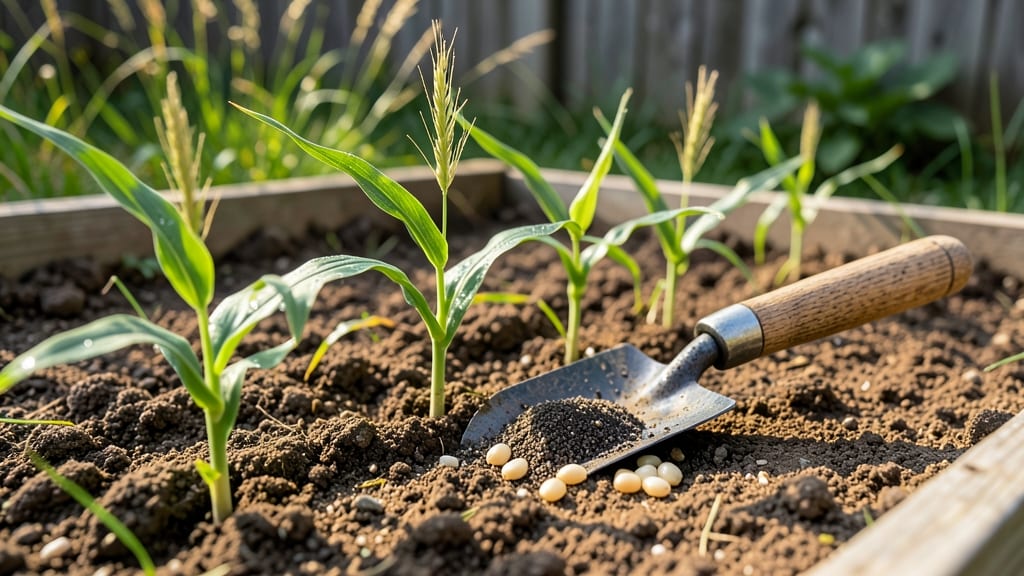
Planting corn in Illinois at the wrong time could mean watching your 🌽 stalks wither before they even get a chance to thrive. The key to success lies in understanding your specific hardiness zone and soil temperature—because those late spring frosts don’t care about your planting calendar.
Most Illinois gardeners know the general rule: wait until after the last frost, usually mid-April to mid-May. But what you might not realize is that even within the same state, planting dates can vary by 2-3 weeks depending on whether you're in northern 5b zones or southern 6b areas.
That difference could mean the gap between a disappointing harvest and a full garden.
In this guide, I’ll break down the exact weeks you should plant corn based on Illinois’ heat zones, plus how to adjust for your local microclimate. You’ll also discover which fast-maturing varieties work best for your region and when to start seeds indoors versus direct-sowing for maximum success.
Whether you're a first-time gardener or a seasoned pro, these insights will help you time your corn planting perfectly—so you can enjoy fresh ears from July through September without the frost-related heartbreak.
Illinois corn planting calendar by hardiness zone: exact weeks for zero-frost survival
Getting your corn planting timed right in Illinois is all about beating the last frost while giving your plants enough warmth to thrive. The state spans USDA zones 5a-6b, meaning northern counties like Chicago face different risks than southern regions like St. Louis.
I’ve broken down the optimal planting weeks by zone, so you can avoid frost-killed seedlings and maximize your harvest.
Corn needs soil temperatures above 60°F and 165 frost-free days to mature. In colder zones, this means starting earlier with fast-maturing varieties, while southern Illinois gardeners can push planting later. Below, I’ve mapped out the exact weeks to plant based on historical frost data and heat zone adjustments.
📅 Key Dates to Remember:
- Last frost ranges from April 15 (north) to April 30 (south)
- Soil should reach 60°F before planting (use a soil thermometer!)
- Harvest window spans July to September, depending on variety
For gardeners in zone 5a, like those in Davenport or Rockford, I recommend starting with early-sweet corn varieties like ‘Early Sunglow’ (70 days to maturity). These can handle cooler soils and still produce plump, tender kernels before the first frost.
In zone 6b, such as Carbondale, you can afford to plant later and choose varieties like ‘Peaches and Cream’ for a longer harvest window.
Pro tip: Use a soil thermometer to confirm temperatures—corn seeds won’t sprout below 50°F, but they’ll rot if planted in cold, wet soil. If your soil is still chilly by the recommended planting week, wait another 7–10 days. Patience here prevents seedling diseases and ensures strong roots.
Southern Illinois gardeners in zone 6b can push planting into late May for varieties like ‘Bodacious’ (100 days), but be mindful of summer drought. Mulch heavily with straw to retain moisture, especially during tasseling and ear development—these stages are critical for yield.
If you’re in a microclimate, like a south-facing slope or urban heat island, you might adjust your planting window by 1–2 weeks earlier. For example, Chicago’s Loop can be 5–10°F warmer than nearby suburbs, allowing for earlier planting.
Always check your local Almanac frost dates and compare with your garden’s microclimate.
For a visual guide, download this Illinois Heat Zone Map (link in resources) and overlay it with your county’s frost data. This will help you pinpoint the exact week to plant based on your specific location.
Mark your calendar now—corn grows fast, and missing the window means waiting another year for that homegrown sweetness!
🌽
5 Critical factors that shift your Illinois corn planting timeline (and how to adjust)
Illinois’ corn planting window isn’t set in stone—it shifts based on soil temperature, microclimates, and even your elevation.
While most gardeners aim for mid-April to mid-May, late-spring frosts in northern Illinois (like Chicagoland) can push planting back by 2-3 weeks, while southern regions (near St. Louis) may allow earlier starts. The key is adjusting for your specific conditions rather than relying on a one-size-fits-all calendar.
For example, in Zone 5b (northern Illinois), soil may not reach the ideal 60°F until late April or early May, while Zone 6b (southern Illinois) can start planting as early as mid-April.
Even within the same county, a south-facing slope might warm up faster than a low-lying valley, creating microclimates where planting dates differ by weeks. Understanding these factors helps you avoid frost damage and maximize your harvest.
- 1 Soil Temperature: Corn needs soil at 60°F+ to germinate. Use a soil thermometer—northern Illinois often waits until late April, while southern areas can start in mid-April.
- 2 Last Frost Date: Check your county’s average last frost (e.g., April 15 in Chicago vs. April 1 in St. Louis). Plant 2 weeks after to account for late frosts.
- 3 Elevation Adjustments: Higher elevations (like the Driftless Region) cool faster. Plant 1-2 weeks later than lowland areas just 50 miles away.
- 4 Microclimates: Urban areas (like Chicago’s heat islands) can plant 1 week earlier than rural zones. Use windbreaks to protect seedlings in open fields.
- 5 Variety Maturity: Short-season varieties (like ‘Early Sunglow’) mature in 70 days, while longer types (like ‘Golden Bantam’) take 90+ days. Match your planting date to your variety’s days to harvest.
If you’re in northern Illinois, consider using black plastic mulch to warm the soil faster and extend your planting window by 1-2 weeks. This is especially useful in Zone 5b, where frost risks linger longer.
For southern Illinois, focus on heat-tolerant varieties like ‘Peaches and Cream’ to avoid drought stress during July’s peak temperatures.
Pro tip: In Chicagoland, monitor the National Weather Service’s frost predictions and adjust your planting date if late frosts are forecasted. For the Driftless Region, plant near south-facing fences to create a microclimate that warms up faster.
These small adjustments can mean the difference between a bountiful harvest and a failed crop.
Remember, corn thrives on consistent warmth and moisture. If your soil is still cold or frosts are predicted, hold off—your plants will thank you with taller stalks and sweeter ears by harvest time. 🌽