
Plants
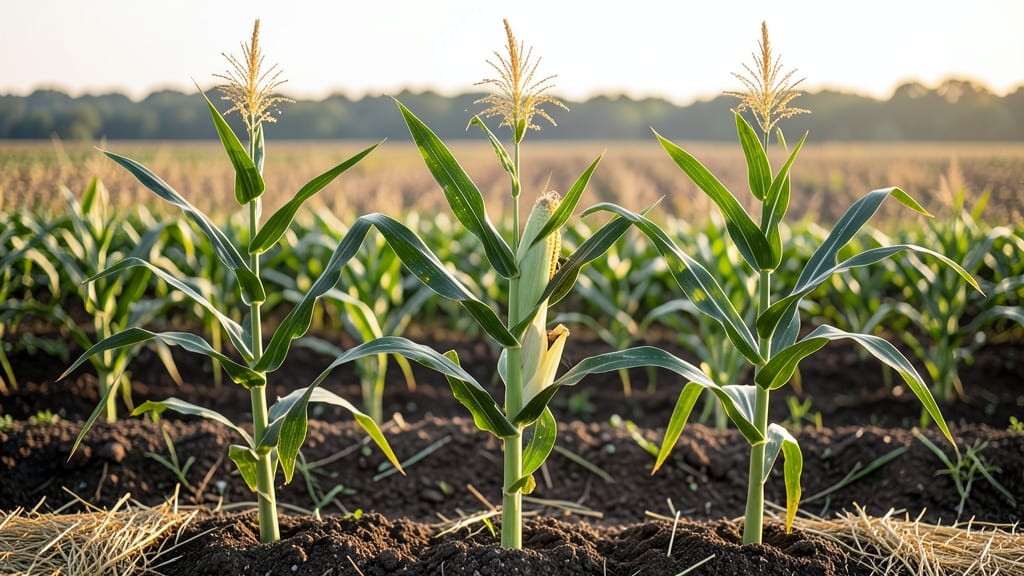
When you picture a corn plant, does your mind immediately jump to how tall a corn plant grows—towering 10-foot stalks swaying in the breeze? That classic image might surprise you—because corn height varies wildly, from compact 3-foot varieties to giants that dwarf even the tallest gardeners!
If you're planning your garden layout or wondering whether your backyard can handle 🌽 corn, the answer depends entirely on the variety. Sweet corn, field corn, and popcorn each have their own growth ranges, and even within those categories, dwarf and standard-height options exist.
Let’s break down what to expect based on your space and goals.
The key to growing corn at its ideal height (or keeping it in check) comes down to two things: choosing the right seeds and giving them the perfect growing conditions. Too much space? A compact variety thrives.
Limited sunlight? Some types handle shade better than others. I’ll show you how to pick the perfect match for your garden—whether you’re aiming for a small urban plot or a sprawling farm-style setup.
Ready to stop guessing and start growing? You’ll discover exactly which corn varieties fit your space, how to support tall stalks without sacrificing yield, and why some gardeners swear by pruning (or avoiding it entirely). Let’s get your corn plants reaching the right height—no surprises included!


Corn plant height by variety: from dwarf to giant stalks
When planning your corn patch, one of the first questions I ask myself is: how tall will my corn plants grow? The answer isn't one-size-fits-all—corn varieties range from compact dwarf types perfect for small gardens to towering giants that need serious space.
Understanding these differences helps me choose the right variety for my garden layout and growing goals. Whether you're dreaming of a 12-foot monster or need space-saving 3-foot stalks, knowing the height range is crucial for proper spacing and support.
Corn height varies dramatically based on genetics, growing conditions, and variety type. Sweet corn, the kind we eat on the cob, typically reaches 6 to 10 feet tall, while field corn (used for livestock feed) can soar to 12 feet or more.
Popcorn varieties usually fall in the middle, around 7 to 9 feet. Even within sweet corn, some modern hybrids are bred to stay shorter, making them ideal for containers or urban gardens. Let's break down the specifics so you can pick the perfect variety for your space.
🌽 Visual Comparison: Imagine a basketball hoop (10 feet)—most standard corn varieties will reach or exceed this height. Dwarf varieties, however, stay closer to a lamppost (6-7 feet), while giant field corn can rival a two-story building (12+ feet). This visual helps me visualize how much space I need to allocate before planting. For example, a 10-foot corn plant needs at least 3 feet of space between rows to prevent shading and competition for nutrients.
One of the most common questions I hear is: Can I grow tall corn in a small space? The answer depends on the variety and your growing strategy.
For example, 'Little and Lovin'' It', a dwarf sweet corn, tops out at just 3–5 feet, making it perfect for 5-gallon buckets or raised beds. These compact varieties also mature faster (60–70 days), so you can enjoy fresh ears sooner.
On the other hand, standard sweet corn like 'Golden Bantam' needs 7–10 feet of height, which means you’ll need to plan for tall trellises or sturdy stakes if your garden is limited.
Growing conditions play a huge role in determining how tall your corn will grow. For instance, field corn often reaches its maximum height when planted in rich, fertile soil with plenty of nitrogen and phosphorus.
I’ve seen 12-foot stalks in well-managed farm fields, but the same variety might only reach 8–10 feet in a home garden with average soil. Sunlight is another critical factor—corn needs 6–8 hours of direct sun daily to reach its full potential.
If your corn is shaded, it may grow taller but weaker, with fewer ears and poor kernel development.
If you're growing tall corn varieties like field corn, consider using trellises or support systems to save space and prevent lodging (when plants fall over). I’ve had success with bamboo stakes or sturdy wire cages to support 9–10 foot stalks in my garden.
For dwarf varieties, you can even grow them in hanging baskets or tall containers, as long as the container is at least 12 inches deep and has good drainage. Just remember, even dwarf corn needs plenty of sunlight and water to thrive.
Another tip I’ve learned is to interplant corn with shorter companions to maximize space. For example, pairing 5-foot dwarf corn with bush beans or lettuce (which mature
What determines corn plant height: genetics vs. growing conditions
Corn height isn’t just about genetics—your growing conditions play a huge role in whether those stalks reach for the sky or stay manageable. While some varieties are naturally dwarf or semi-dwarf, even tall corn can be stunted (or encouraged!) by what you do in the garden.
Let’s break down the key factors and how to work with them.
First, genetics set the baseline. A standard sweet corn variety like 'Silver Queen' will naturally grow 8-12 feet tall, while a compact variety like 'Bodacious' tops out at just 5-6 feet.
But here’s the twist: even within the same variety, your soil, sunlight, and care can push those stalks up or down by 2-3 feet. That means a 10-foot corn plant could become a 7-footer—or a 6-footer could stretch to 9 feet!
🌽 Key Factors Affecting Corn Height
- 1. Variety Selection: Choose dwarf (4-6 ft) or standard (8-12 ft) types based on your space.
- 2. Sunlight Exposure: 6+ hours of full sun fuels rapid growth; less than 5 hours stunts plants by 30-50%.
- 3. Soil Quality: Nitrogen-rich, well-draining soil promotes taller growth; poor soil limits height by up to 2 feet.
- 4. Watering Consistency: Drought stress can reduce height by 1-2 feet; overwatering weakens stalks.
- 5. Spacing & Crowding: Plants spaced 12+ inches apart grow taller; overcrowding stunts growth by 20-30%.
Let’s talk sunlight first, because this is the #1 growth booster for corn. Corn is a sun-hungry plant, and even a 1-hour daily deficit can reduce height by 10-15%.
If your garden gets partial shade, opt for dwarf varieties or supplement with a grow light for 4-6 hours daily. I’ve seen Silver Queen plants in partial shade max out at 6 feet instead of their usual 10 feet!
Next up: soil fertility. Corn is a heavy feeder, especially for nitrogen. If your soil tests low, add compost or a balanced fertilizer (10-10-10) at planting and again when plants reach knee height.
I once grew Golden Bantam popcorn in sandy soil with no fertilizer—those stalks barely hit 4 feet, while the same variety in amended garden beds reached 7 feet. The difference was night and day!
Don’t underestimate watering either. Corn needs 1-2 inches of water weekly, especially during tasseling and ear development. Inconsistent watering causes stunted growth or weak stalks that bend or break.
I learned this the hard way when a heatwave hit, and my 10-foot Silver Queen plants shriveled to 7 feet—a 30% height loss in just two weeks! Mulch helps retain moisture and keeps roots cool, which indirectly supports taller growth.
Finally, spacing matters. Corn plants compete for nutrients and sunlight, so overcrowding leads to shorter, weaker stalks. Space seeds 4-6 inches apart in rows 2-4 feet apart for optimal growth.
If you’re short on space, try bush corn varieties like 'Sweet Baby' (just 4-5 feet tall) or use trellises to train tall varieties vertically. I’ve grown 12-foot field corn on a trellis system in a small urban garden—it saved space and kept the plants upright and productive!
So, can you control corn height? Absolutely! By tweaking variety, sunlight, soil, water, and spacing, you can grow corn that fits your space—whether you want towering stalks for shade or compact plants for containers.
Start with the right dwarf or standard variety, then fine-tune the rest. Your garden (and your neighbors’ shade!) will thank you. 🌽