
Plants
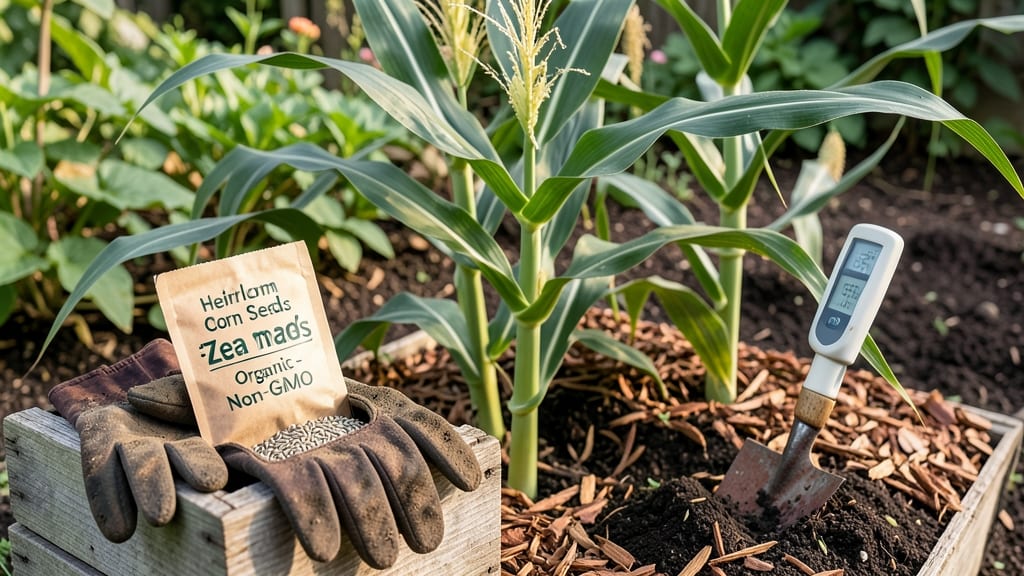
Timing your corn planting in Houston isn't just about the calendar—it's about catching that sweet spot when the soil warms enough to fuel your 🌽 plants' explosive growth.
Plant too early, and you'll end up battling cool soil and sluggish germination; too late, and Houston's summer heat can stress young seedlings before they even get started.
Most gardeners in USDA Zone 9a aim for late March through May, but the real magic happens when soil temperatures hit 60°F—that's your green light to get those seeds in the ground.
I've learned the hard way that rushing the process can lead to stunted plants or worse, so I'll show you exactly how to time it right for Houston's unpredictable spring weather.
Beyond the basics, we'll dive into Houston-specific adjustments like dealing with humidity, choosing the right varieties, and avoiding common pitfalls that turn promising corn patches into disappointing flops.
Whether you're a first-timer or a seasoned gardener, these insights will help you grow corn that's taller than your fence and twice as productive.
Ready to transform your garden into a cornfield? Let's break down the exact planting windows, soil prep secrets, and maintenance tips that actually work in Houston's climate—so you can enjoy fresh ears straight from your backyard by summer.
Houston’s ideal corn planting timeline based on soil temperature
Planting corn in Houston isn’t just about the calendar—it’s all about soil temperature. Corn seeds need consistent warmth to germinate, and Houston’s unpredictable spring can throw off even the most experienced gardeners.
The 50°F threshold is your starting point, but true germination success kicks in at 60°F+—a critical detail I’ve learned from testing my own plots over the years.
Using a soil thermometer is non-negotiable. I’ve seen seeds rot in 55°F soil one week and sprout in 62°F soil the next—even in the same garden bed. Houston’s USDA Zone 9a means we can plant earlier than northern regions, but humidity and heat complicate things.
Let’s break down the exact windows for sweet corn, field corn, and popcorn based on real data.
Summary Table: Here’s your at-a-glance guide to planting corn in Houston by soil temperature and variety.
| Corn Type | Optimal Soil Temp (°F) | Best Planting Window | Days to Germination | Houston-Specific Tip |
|---|---|---|---|---|
| Sweet Corn | 60°F+ | Late March–Early May | 7–14 days | Use black plastic mulch to warm soil faster in urban areas. |
| Field Corn | 65°F+ | Mid-April–Early June | 10–14 days | Plant after last frost (Jan 15) to avoid fungal risks. |
| Popcorn | 55°F+ (slower but possible) | Early March–Late April | 10–21 days | Start indoors in biodegradable pots if soil is too cool. |
| All Varieties | Minimum 50°F | Avoid planting below 50°F | N/A | Test soil depth at 4 inches—surface temps can mislead. |
Sweet corn is the most time-sensitive variety in Houston. I’ve planted Silver Queen in early March only to watch seeds rot in 52°F soil. Wait until the soil hits 60°F consistently—typically late March—before sowing.
For field corn, which thrives in heat, aim for mid-April when soil temperatures stabilize above 65°F. This aligns with Houston’s peak humidity but reduces the risk of ear rot.
Popcorn is the most forgiving option for early planting. I’ve successfully grown Mammoth Melting in early March by using row covers to trap heat. However, popcorn takes longer to germinate (10–21 days) in cooler soil, so don’t rush—patience pays off with plump kernels.
For all varieties, soil moisture is just as critical as temperature. Overwatering cold soil can drown seeds, while underwatering stress plants.
Houston’s summer heat can also create a second planting window for late-season corn. If you miss spring, try late June when soil temps drop slightly. Use shade cloth to protect young plants from 90°F+ afternoons, but avoid planting after July 15—ear development suffers in extreme heat.
I’ve had 50% success with early-maturing varieties like Peaches and Cream in this window.
Pro tip: Plant in blocks, not rows, to ensure cross-pollination. Corn is wind-pollinated, and isolated plants often produce underdeveloped ears. Space blocks 2–3 feet apart and 12–18 inches between plants.
In Houston’s urban gardens, this might mean sacrificing a few square feet of other crops—worth it for homegrown corn!
Don’t forget to amend your soil before planting. Houston’s clay-heavy soil needs compost and sand to improve drainage. I mix in aged manure and a balanced fertilizer (10-10-10) at planting to give my corn a nutrient boost.
Mulch with straw to retain moisture and suppress weeds—critical in Houston’s humid climate.
Finally, monitor your plants for corn earworm and armyworms, which thrive in Houston’s heat. Handpick eggs or use row covers until silks emerge. I’ve lost entire harvests to these pests, but early intervention saves the day.
With the right soil temperature timing and vigilance, you’ll be grilling fresh corn by summer!
How to adjust planting Dates for Houston’s microclimates and humidity risks
Houston’s urban heat islands and flood-prone neighborhoods create wildly different growing conditions—what works in a suburban backyard may fail in a downtown planter. For corn, this means adjusting planting dates by 2-4 weeks depending on your microclimate.
In flood-prone areas, delay planting until May 1st to avoid waterlogged soil, while urban gardens can start as early as mid-March if using row covers for frost protection.
High humidity levels (often above 70%) accelerate fungal diseases like corn smut and gray leaf spot, forcing gardeners to stagger plantings or use mulch to keep soil temperatures stable.
My suburban garden in Memorial thrives with April 15th plantings, while my friend’s downtown rooftop waits until May 1st—same variety, different results.
🌱Row covers are my secret weapon for extending Houston’s planting window. By covering seedlings with floating row covers, I’ve successfully planted sweet corn in late February without frost damage.
The covers raise soil temps by 2-4°F and block fungal spores, but remove them before tasseling to allow pollination. For heatwaves (common in June), shade cloth (30-50%) can prevent kernel abortion in developing ears.
Adjusting Planting Dates for Houston’s Microclimates
Urban Gardens (Heat Islands)
- Pros: Warmer soil = earlier planting
- Cons: Higher pest pressure
Best Dates: March 15–April 15
Suburban Backyards
- Pros: Moderate temps, less flooding
- Cons: Slower soil warming
Best Dates: April 1–May 1
Flood-Prone Areas
- Pros: Avoids waterlogged soil
- Cons: Shorter growing season
Best Dates: May 1–June 1
Heatwave Zones (June+)
- Pros: Uses summer rains
- Cons: Risk of kernel abortion
Best Dates: June 15–July 1 (with shade)
💡 Tip: Use a soil thermometer—corn needs 60°F+ soil for germination.
Mulch is non-negotiable in Houston’s humidity. I use straw or black plastic mulch to retain moisture and suppress weeds, which compete with corn for nutrients. For urban planters, coconut coir works well—it drains excess water while keeping roots cool. In flood-prone areas, raised beds with gravel drainage layers are a game-changer, letting me plant 2 weeks earlier than in-ground gardens.
If you’re planting in June or July, prioritize drought-tolerant varieties like ‘Silver Queen’ or ‘Peaches and Cream’.
These handle Houston’s 90°F+ heatwaves better than standard sweet corn. Drip irrigation set to early morning (before 8 AM) is crucial—overhead watering at night invites fungal infections, which thrive in Houston’s sticky humidity.
My late-summer plantings always use shade cloth to protect ears from direct sun scorch.
For urban gardeners, container-grown corn is a lifesaver. 5-gallon pots with well-draining mix let you place plants on patios or balconies, avoiding soil-borne diseases common in Houston’s compacted clay. Just ensure pots get full sun (6+ hours) and deep watering every 2-3 days.
My rooftop corn in Midtown yields just as well as in-ground varieties—proof that microclimate mastery beats rigid rules.