
Plants
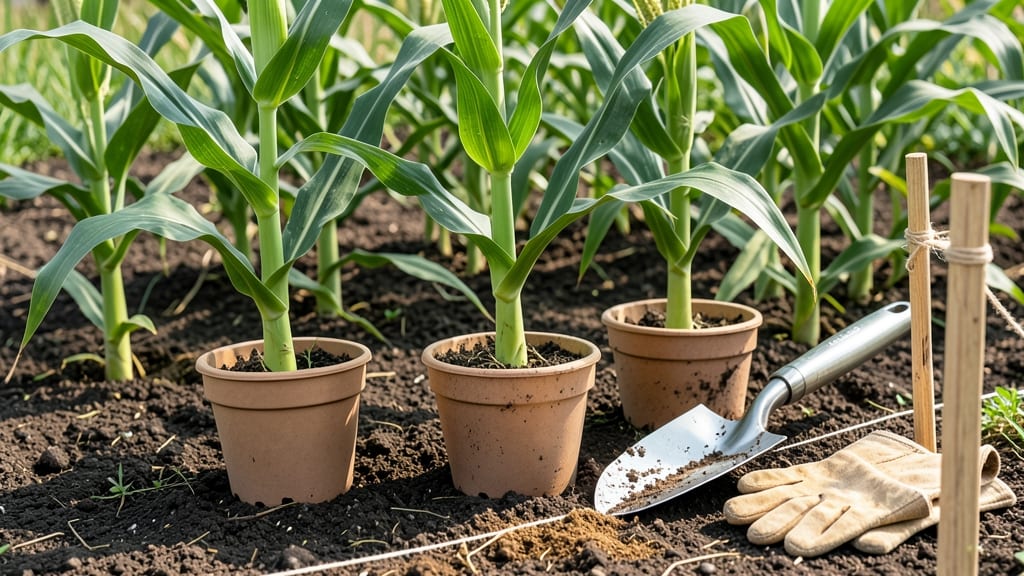
Planting sweet corn 🌽 in Michigan at the wrong time can turn your garden dreams into a soggy disappointment—because unlike other veggies, corn demands both warm soil and long daylight hours to thrive.
If you've ever watched your seedlings wilt after a late frost or struggled with stunted ears, you know timing isn't just about avoiding frost—it's about catching that sweet spot when the ground warms and daylight stretches.
I've spent years tracking Michigan's frost-free dates and soil temperatures, and the key to success lies in planting when the earth hits 50°F (or warmer) and nighttime temps stay above 55°F.
That window varies dramatically between the Upper Peninsula and southern regions, which is why I'm breaking down the exact weeks you should have your seeds in the ground for peak harvests.
What you'll discover is that Michigan gardeners actually have three planting opportunities: early varieties for a June harvest, mid-season stalwarts for July-August feasts, and late-season varieties that stretch your harvest into September.
The difference between these approaches can mean the difference between a handful of ears and a cornucopia that feeds the neighborhood.
Ready to stop guessing and start growing? Let's dive into the science-backed planting calendar that'll have your corn reaching 10 feet tall and your dinner table overflowing with golden kernels—without the frustration of wasted effort or blighted crops.
Michigan sweet corn planting dates by soil temperature & frost-free zones
Michigan’s USDA Zones 5-6 and variable climate make timing critical for sweet corn success. Unlike frost-sensitive crops, corn needs warm soil (50°F+) to germinate, not just frost-free air.
In my Lower Peninsula garden, I’ve learned planting too early—even after last frost—can stall growth, while waiting too long risks shortened harvests before fall frosts.
Your planting window depends on three key factors: average last frost date (ranging from May 15 in southern Michigan to June 1 in the Upper Peninsula), soil temperature consistency, and corn variety maturity (measured in days to harvest).
For example, 70-day varieties planted too late may never reach full sweetness before first fall frosts (Sept 15–Oct 15).
| Region | USDA Zone | Avg Last Frost | Optimal Planting Window | Soil Temp Requirement | Recommended Varieties |
|---|---|---|---|---|---|
| Southern Lower Peninsula | Zone 6a | May 10–20 | April 25–May 15 | 50°F+ (consistent) | 'Silver Queen' (72 days), 'Peaches & Cream' (80 days) |
| Northern Lower Peninsula | Zone 5b | May 20–30 | May 1–15 | 55°F+ (minimum) | 'Early Sunglow' (68 days), 'Ambrosia' (75 days) |
| Upper Peninsula | Zone 5a | June 1–10 | May 15–30 | 60°F+ (ideal) | 'Golden Bantam' (65 days), 'Country Gentleman' (85 days) |
For early-season planting, I recommend starting with fast-maturing varieties (60–75 days) in protected beds (like black plastic mulch) 2–3 weeks before your region’s last frost. In my Zone 6a garden, this means sowing seeds around April 25 under row covers.
The plastic warms the soil faster and speeds germination by 3–5 days.
Mid-season planting (after last frost) is ideal for standard varieties (80–90 days). In northern Michigan (Zone 5b), I wait until May 10 to plant 'Ambrosia' to ensure enough daylight for full sweetness.
Corn needs 12+ hours of daylight to develop properly, so late plantings may produce smaller ears or less sugar.
Don’t overlook late-season strategies! Planting succession crops every 2 weeks extends harvests into September. In my Upper Peninsula garden, I’ve had success with 70-day varieties planted as late as June 15, using row covers to protect tender ears from early frosts.
This "staggered planting" method gives me harvests over 6–8 weeks instead of just 2–3.
One critical mistake I’ve seen beginners make is relying solely on frost dates instead of soil temperature. Cold soil delays germination by weeks, wasting precious growing time. Always check soil warmth with a thermometer—50°F is the minimum, but 60°F+ is ideal for consistent sprouting.
In humid Michigan summers, warm soil also reduces seed rot risks.
For emergency frost protection, I’ve used row covers and cloche tunnels to shield young plants. Even a light frost (28°F) can damage corn tassels, which are crucial for pollination. In Zone 5a, I’ve extended harvests by 10–14 days using these methods during late-summer cold snaps.
Remember: Michigan’s short growing season demands precision. By matching soil warmth, frost-free dates, and variety maturity, you’ll transform your garden from hit-or-miss harvests to consistent, sweet corn success. Start with the right timing, and you’ll be shucking ears from July through September!
How to adjust planting timing for Michigan’s short growing season
Michigan’s short growing season (average 120-150 frost-free days) demands smart planning to maximize your sweet corn harvest. The key is stretching that window using succession planting, early varieties, and protective tools like row covers.
Even a few extra weeks can mean the difference between a bountiful harvest and a disappointing yield.
Start by calculating your local frost-free date using NOAA’s Frost/Freeze Product (available at [NOAA Climate Data](https://www.ncdc.noaa.gov)). For most of Michigan, this falls between May 10-25, but the Upper Peninsula can be 2-3 weeks later.
Subtract your chosen corn variety’s maturity days (e.g., 75 days for early types) to determine your planting window.
🌽 3 Critical Steps to Extend Your Corn Harvest
- 1. Plant early varieties (70-90 days) like 'Silver Queen' or 'Ambrosia' in late April-early May under row covers for a jumpstart.
- 2. Use succession planting: Sow new seeds every 2 weeks until June 15 to stagger harvests through September.
- 3. Protect late plantings with floating row covers if frost threatens after August 15, extending harvests into early October.
For first-time corn planters, focus on soil temperature—corn seeds won’t germinate below 50°F. Use a soil thermometer to confirm warmth before planting. In cooler northern Michigan, wait until May 15 or later to avoid cold-soil stunting.
Pro tip: Warm soil faster by covering beds with black plastic mulch 1-2 weeks before planting.
Choose fast-maturing varieties (under 85 days) for early plantings and longer-season types (90+ days) for late successions. For example, 'Peaches and Cream' (80 days) works well for June plantings, while 'Country Gentleman' (95 days) suits late July starts in warmer southern Michigan regions.
Always check seed packets for days-to-maturity and adjust your planting schedule accordingly.
Don’t overlook daylight requirements: Corn needs 12+ hours of daylight to pollinate properly. In Michigan, daylight peaks in late June, so avoid planting after July 1 unless you’re using shade-cloth to extend daylight exposure.
For succession plantings, space seeds 1 inch deep and 4 inches apart in blocks (not rows) to improve pollination success.
To calculate your personalized frost-free date, check NOAA’s 30-year averages for your zip code, then add 5-7 days as a safety buffer. For instance, if your average last frost is May 20, plant 90-day corn by May 1 and 75-day corn by April 25.
Use Michigan State University Extension’s Planting Calendar ([MSU Extension](https://www.canr.msu.edu/)) for region-specific guidance tailored to your county.