
Plants
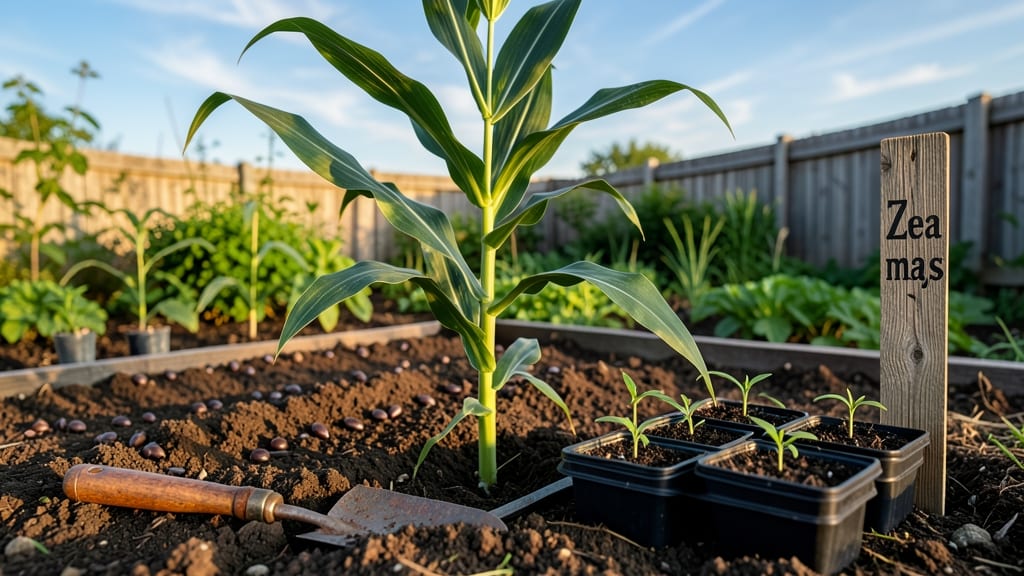
Planting corn in Georgia at the wrong time can turn your 🌽 dreams into a sad, stunted mess—trust me, I’ve seen it happen.
The difference between a bountiful harvest and wasted seeds often comes down to knowing exactly when to stick those kernels in the ground for your specific USDA zone.
Georgia’s 7b-8b climate gives you a longer growing window than most states, but even here, timing matters. Too early, and frost will nip your seedlings in the bud. Too late, and you might miss the sweet spot for peak yields before summer’s heat sets in.
I’ll break down the ideal planting windows for each zone so you can avoid common mistakes and get corn growing strong.
Whether you’re a first-time gardener or a seasoned pro, this guide cuts through the guesswork. We’ll cover soil temperature tips, frost date adjustments, and even how to tweak your schedule for Georgia’s microclimates—because not every corner of the state plays by the same rules.
Ready to grow corn that’s tall, sweet, and full of potential? Let’s get those seeds in the ground at the perfect moment—no more wasted effort, just plump, juicy ears waiting for your dinner table.
Georgia corn planting dates by USDA Zone (Zone 7a-8b)
Georgia’s USDA Zones 7a-8b offer perfect conditions for growing sweet corn, field corn, or popcorn—but timing your planting window is critical. Corn thrives in warm soil and needs 60°F+ temperatures to germinate, making early spring planting risky in cooler zones like 7a.
Meanwhile, Zone 8b gardeners can push planting later into early June for fall harvests. Let’s break down the optimal planting dates for each zone, accounting for frost dates and soil warmth.
First, check your last frost date—typically mid-March in Zone 7a and late February in Zone 8b. Corn seeds won’t sprout until soil reaches 60°F, so wait until 2 weeks after frost and confirm soil temps with a soil thermometer.
In Zone 7a, this usually means mid-April; in Zone 8b, you can start as early as late March in protected microclimates.
Here’s your zone-specific planting guide, including soil temperature thresholds, ideal planting windows, and harvest timelines to ensure peak yields:
In Zone 7a, where frost lingers longer, focus on mid-April to early May planting to avoid cool soil that delays germination. Use black plastic mulch to warm the soil faster and extend your planting window by 2-3 weeks.
For Zone 8b, you can push planting into early June for a fall harvest, but choose early-maturing varieties (like 'Ambrosia') to avoid early frost risks.
For Zone 7b and 8a, aim for late March to mid-May to align with soil warming trends. These zones benefit from successive planting: start with early varieties in March and follow with mid-season types in April for a staggered harvest.
Pro tip: Plant 1-2 inches deep and 4-6 inches apart in rows 2-3 feet apart to maximize pollination success.
Don’t overlook microclimates—urban gardens in Zone 7b (like Atlanta) may need 1-2 weeks later than rural areas due to heat island effects. Conversely, high-altitude areas (e.g., Blue Ridge Mountains) in Zone 7a should wait until early May to avoid late frosts.
Always monitor 7-day forecasts for unexpected cold snaps
How to adjust corn planting for Georgia’s microclimates and soil conditions
Georgia’s diverse geography means your corn planting strategy should adapt to your specific location. Whether you're in the Blue Ridge Mountains or a coastal urban garden, soil type and elevation drastically impact planting success.
Sandy soils drain too quickly, while clay holds moisture for too long—both can stress corn roots. Let’s break down how to adjust your planting for these conditions.
For high-altitude areas like the Blue Ridge, cooler temperatures mean you’ll need to plant 2-3 weeks later than coastal regions. Corn thrives when soil temps hit 60°F, so use a soil thermometer to confirm readiness.
In urban gardens, containers or raised beds help regulate soil warmth and moisture, giving you more control over timing.
- Blue Ridge Mountains (Zone 7a): Plant late April to early May—wait until soil temps reach 60°F and nighttime temps stay above 50°F to avoid frost damage.
- Coastal Plains (Zone 8b): Start seeds mid-March to early April—warmer soils allow earlier planting, but avoid soggy conditions from spring rains.
- Sandy Soils: Mix in 2-3 inches of compost before planting to retain moisture; water daily after germination until roots establish.
- Clay Soils: Amend with organic matter (peat moss or aged manure) to improve drainage; plant on raised beds if drainage is poor.
- Urban Containers: Use large pots (12"+ deep) with well-draining soil; plant 1-2 weeks later than ground planting to warm soil faster.
- Row Covers: Extend season by 2-3 weeks in cooler zones; remove when tassels emerge to allow pollination.
- Black Plastic Mulch: Warms soil 5-10°F faster—ideal for late-season plantings or high-altitude areas.
If you’re dealing with sandy soil, focus on moisture retention. Corn roots need consistent hydration, especially during tasseling and ear formation. Mulch with straw or grass clippings to slow evaporation and keep roots cool.
For clay-heavy soils, prioritize drainage by amending with compost or planting on mounds. This prevents root rot and ensures oxygen reaches the roots.
Extending the growing season is easier than you think. Row covers create a microclimate that traps heat, letting you plant 2-3 weeks earlier in spring or 1-2 weeks later in fall.
Black plastic mulch warms soil faster, which is a game-changer for high-altitude gardens where cool nights delay planting. Just remember to remove covers when corn starts pollinating to avoid trapping humidity.
For urban gardeners, containers are a lifesaver. Choose pots with drainage holes and fill them with a lightweight potting mix blended with compost. Since containers dry out faster, water daily in summer and monitor soil moisture with your finger—it should feel like a damp sponge.
Urban gardens also benefit from vertical trellises to support tall varieties and save space.
Don’t forget to monitor soil pH—corn prefers 6.0-6.8. Test your soil before planting and amend with lime (to raise pH) or sulfur (to lower it) if needed. Healthy soil means healthier plants, which translates to bigger ears and better yields.
With these adjustments, you’ll be well on your way to a corn patch that thrives in Georgia’s unique growing conditions. 🌽