
Plants
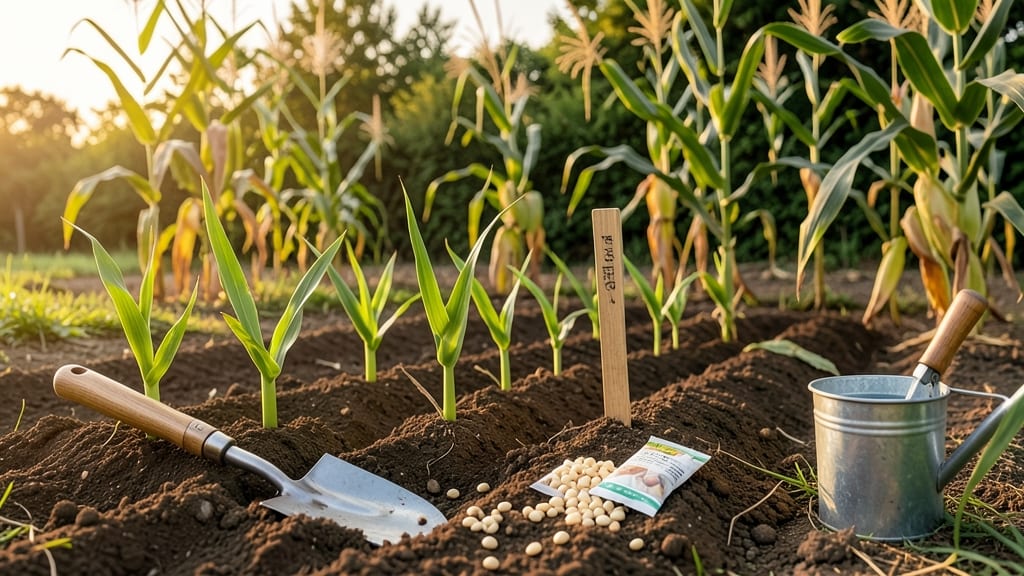
Planting corn in Oklahoma isn’t just about the calendar—it’s about reading your microclimate like a pro. Too early, and a late frost can wipe out your tender 🌽 seedlings; too late, and summer’s scorching heat stunts growth before ears even form.
The sweet spot? A window that balances soil warmth, moisture, and daylight—one that shifts dramatically from the Panhandle’s dry plains to the humid Southeast.
Most gardeners in USDA zones 6a-8a aim for mid-April to early June, but that’s a broad brushstroke. Your exact timing depends on whether you’re in the cooler northern hills or the balmier southern valleys.
I’ll break down the critical frost dates, soil temperature thresholds (hint: wait for 60°F+), and how to adjust for Oklahoma’s famously unpredictable spring.
Why does this matter? Because getting it right means the difference between a bumper crop of sweet, juicy kernels and a patch of stunted stalks.
Whether you’re direct-sowing seeds or starting them indoors, I’ll walk you through the game-changer strategies that work in Oklahoma’s diverse growing conditions—so you can finally stop guessing and start harvesting.
Let’s dive into the exact planting windows, variety picks, and pro tips to turn your Oklahoma garden into a corn-producing powerhouse. Ready to grow like a local?
Oklahoma corn planting dates by microclimate zone (with frost risk maps)
Oklahoma’s five distinct microclimates create dramatic differences in corn planting success. The Panhandle’s dry winds demand early planting, while the Southeastern humidity allows later starts. Without precise timing, you risk frost damage or heat stress—both kill corn crops.
Let’s break down the exact windows for each zone, including soil temperature thresholds and frost risk maps to guide your planting.
Corn seeds won’t germinate until soil reaches 50°F+, but ideal planting occurs when temperatures stabilize above 60°F. In Oklahoma, this typically aligns with mid-April to early June, but your exact window depends on which of the five zones you’re in.
Below, I’ve mapped out the last frost dates, optimal planting windows, and heat-tolerant variety recommendations for each region.
🌽
To find your exact last frost date, check the Oklahoma Mesonet frost maps or use the USDA Plant Hardiness Zone Map. For example, if you’re in the Panhandle, planting late March gives your corn a 120-day growing season before fall frost.
Meanwhile, in the Southeast, you can push planting to early June for a late harvest.
For soil warming, use black plastic mulch or row covers to raise ground temperatures by 5-10°F. This lets you plant 2-3 weeks earlier in cooler zones like the Panhandle.
In Western Oklahoma, prioritize drought-tolerant hybrids like Pioneer 84C53, which thrive with less water than standard varieties.
In Eastern Oklahoma, where humidity spikes in summer, opt for disease-resistant varieties like Honey & Pearl. These handle fungal pressure better while still delivering sweet kernels. Always space rows 30-36 inches apart to improve airflow and reduce disease risk.
🌡️
If you’re unsure which zone you’re in, use this quick guide: West of I-35 = Panhandle/Western; East of I-35 = Central/Eastern. The Southeast includes counties like McCurtain and Choctaw. For precise planting, monitor soil temps with a soil thermometer—corn seeds need consistent warmth to avoid uneven germination.
Pro tip: In Central Oklahoma, where frost dates vary wildly, plant a successive crop every 2 weeks from April to June for a continuous harvest. This spreads risk and ensures you always have fresh ears.
☀️
How to adjust planting for Oklahoma’s unpredictable weather patterns
Oklahoma’s spring weather can swing from freezing nights to 90°F heatwaves in weeks, making corn planting a high-stakes gamble. The key to success? Flexibility and proactive soil management.
I’ve learned that even a 5-day delay can mean the difference between lush ears and stunted plants. Let’s break down how to adapt your planting schedule to Oklahoma’s whims.
First, soil temperature is your best friend. Corn seeds won’t germinate well below 50°F, but Oklahoma’s Panhandle can still see frost in early May. Use a soil thermometer to confirm warmth before planting.
In Western Oklahoma, where drought is a constant threat, I’ve started using black plastic mulch two weeks before planting to accelerate soil warming by 10-15°F.
Weather Watch Checklist for Oklahoma Corn Planting
- ✅ Test soil at 50°F+ before planting
- ✅ Use row covers if frost threatens after germination
- ✅ Plant drought-tolerant varieties in Western OK (e.g., Pioneer 84C53)
- ✅ Choose heat-resistant hybrids for Eastern OK (e.g., Silver Queen)
- ✅ Monitor 7-day forecasts—delay planting if rain exceeds 2 inches
- ✅ Use black plastic mulch to warm soil 10-15°F faster
- ✅ Plant successive batches every 2 weeks for extended harvest
For Western Oklahoma, where water is scarce, I’ve switched to drought-resistant corn varieties like Pioneer 84C53, which can survive with 50% less water than standard hybrids. Pair this with drip irrigation to deliver moisture directly to roots.
In Eastern Oklahoma, late-season heat is the bigger enemy—opt for early-maturing varieties (like Silver Queen) that can reach harvest before summer’s peak.
Don’t forget about row covers! They’re my secret weapon for late frost protection. Simply drape lightweight fabric over seedlings when nighttime temps drop below 40°F.
Remove covers by 10 AM to prevent overheating. I’ve used this trick to extend my planting window by 2-3 weeks in Central Oklahoma without losing a single seedling.
If you’re planting in June or July (common in Southern Oklahoma), focus on shade-cloth to protect young plants from intense afternoon sun. A 30% shade cloth reduces soil temps by 15°F and prevents seedling scorch. Just remember to remove it as plants mature—corn needs full sun for maximum yield.
Finally, keep a planting journal to track your adjustments. Note when you planted, soil temps, rainfall, and any weather surprises. Over time, you’ll spot patterns—like that May frost that hits your area every 3 years.
Armed with this data, you’ll refine your timing year after year for bigger, sweeter ears. 🌽