
Plants
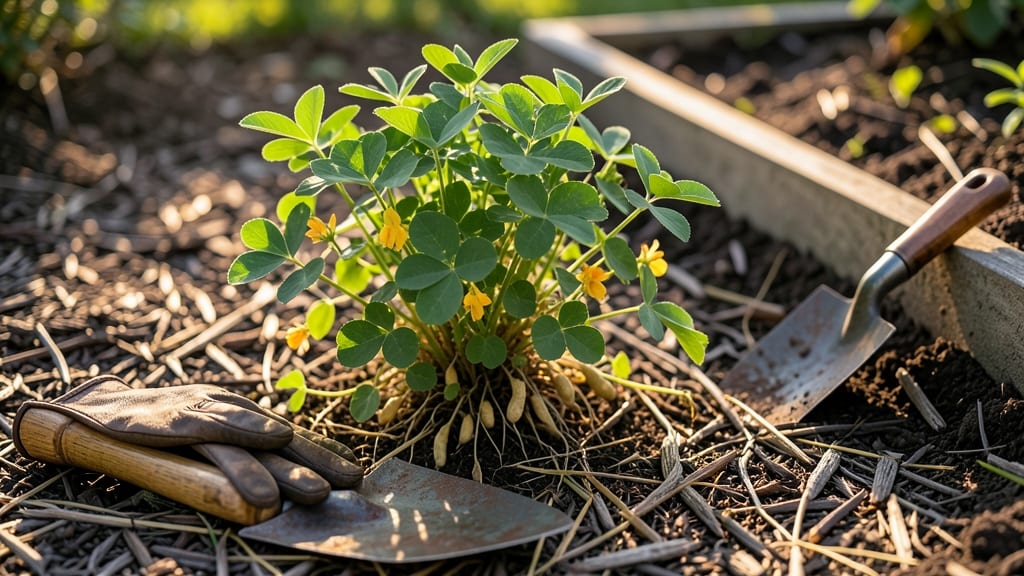
Planting peanuts in Georgia isn't just about timing—it's about unlocking the best yields your warm climate can offer. With the right window, you could be harvesting 🥜 by September, but get it wrong, and you might end up with stunted plants or missed opportunities.
Most Georgia growers swear by planting between April and May, when soil temperatures hit that sweet spot of 70°F or higher. This aligns perfectly with USDA zones 7b-8b, where frost risks fade and the growing season kicks into high gear.
But here's the catch: North Georgia's cooler pockets might need a later start, while South Georgia's longer season allows for a bit more flexibility.
Why does this matter? Peanuts are finicky about temperature—they need warmth to germinate and thrive. Plant too early, and you risk cold snaps setting them back. Too late, and you might not get enough growth before harvest.
I'll break down the exact regional adjustments you need to make, plus soil prep secrets that could double your success rate.
Ready to turn your Georgia garden into a peanut powerhouse? Let's dive into the critical steps that separate a good harvest from a great one—starting with the planting calendar that works for your specific corner of the state.
Peanut planting calendar for Georgia regions: exact months by Zone
Georgia’s peanut-growing season thrives on precise timing, and your USDA zone determines the best planting window. North Georgia’s cooler climate delays planting, while South Georgia’s longer growing season allows earlier starts. Let’s break down the exact months for each region to ensure your peanuts mature before the first frost.
Peanuts are warm-season crops that need soil temperatures above 70°F (21°C) to germinate. In Georgia, this typically aligns with late April to early May, but regional variations create critical differences.
North Georgia’s Zone 7b gardeners should wait until mid-May, while South Georgia’s Zone 8b growers can plant as early as mid-April.
| Region | USDA Zone | Ideal Planting Window | Last Frost Date | Frost Risk |
|---|---|---|---|---|
| North Georgia | 7b | Mid-May to early June | March 15 – April 15 | High (late frosts common) |
| Central Georgia | 8a-8b | Late April to mid-May | March 1 – April 1 | Moderate (occasional late frosts) |
| South Georgia | 8b-9a | Mid-April to late April | February 15 – March 1 | Low (rare frosts after March) |
Central Georgia, with its Zone 8a-8b climate, offers the broadest planting window—from late April to mid-May. This region’s mild winters and long summers create ideal conditions for peanuts, allowing gardeners flexibility to adjust based on soil warmth.
Use a soil thermometer to confirm temperatures reach 70°F (21°C) before planting.
In North Georgia’s Zone 7b, where late frosts are common, planting peanuts before mid-May risks frost damage. Wait until the soil stays warm for at least a week. If you’re eager to start, consider container growing in a greenhouse to extend your season and protect young plants.
South Georgia’s Zone 8b-9a gardeners enjoy the earliest planting window, starting as early as mid-April. The longer frost-free period (up to 240 days) allows for multiple harvests if you stagger plantings. However, avoid planting too early—cool soil can stunt germination, even in warmer zones.
Peanuts need 90–120 days to mature, so calculate your harvest date by counting backward from the first frost. In North Georgia, aim for a September 1 harvest to avoid frost damage. Central Georgia can push harvests to mid-October, while South Georgia may extend into November in ideal years.
For best results, align your planting with moisture levels. Georgia’s spring often brings variable rainfall, so prepare to irrigate consistently during dry spells. Use drip irrigation to maintain even soil moisture, which prevents cracking—a common issue in sandy Georgia soils.
Pro tip: Test your soil pH before planting. Peanuts thrive in slightly acidic soil (6.0–6.5). If your soil is too alkaline, amend it with sulfur or peat moss 4–6 weeks before planting. This adjustment ensures your peanuts access the nutrients they need for robust growth.
Remember, peanuts are not frost-tolerant at any stage. Even young seedlings can’t survive temperatures below 50°F (10°C). Use frost cloth if late-season frosts threaten your plants, especially in North Georgia where unexpected cold snaps occur.
By following these region-specific planting windows, you’ll maximize your peanut yield and avoid common pitfalls like poor germination or frost damage. Happy planting—your Georgia-grown peanuts will be worth the wait! 🥜
Critical soil and weather conditions for peanut planting success in Georgia
Peanuts thrive in Georgia’s warm climate, but their success hinges on precise soil conditions and weather timing. The ideal soil temperature for germination is 70°F (21°C)—any cooler, and your seeds may rot before sprouting.
In Georgia, this typically aligns with late April to early May, but regional variations can shift your planting window by weeks.
Georgia’s soil pH must sit between 6.0 and 6.5 for optimal peanut growth. Peanuts are sensitive to acidic or alkaline soils, which can stunt root development and reduce yields.
Testing your soil before planting is a game-changer—many Georgia farms use lime to adjust pH if needed, especially in clay-heavy regions like North Georgia.
Moisture is another critical factor. Peanuts need consistent soil moisture during germination but can’t tolerate waterlogged conditions. Aim for 1–2 inches of water per week, delivered through drip irrigation or rainfall. In drought-prone South Georgia, mulching with straw helps retain moisture and regulate soil temperature.
⚠️ Critical Warning: Late Planting Risks
Planting peanuts after June 1 in Georgia increases disease pressure and reduces pod fill. Late-season peanuts also face higher pod rot risk from prolonged soil moisture. If you must plant late, choose early-maturing varieties like Georgia Red and use fungicide treatments to mitigate risks.
Rainfall patterns play a pivotal role in peanut yields. Georgia’s growing season typically delivers 4–6 inches of rain per month from May to September, but irregular patterns can stress plants. In Central Georgia, where rainfall is more predictable, peanuts often thrive with minimal irrigation.
However, in South Georgia’s drier climate, supplemental watering during flowering (6–8 weeks after planting) boosts pod development.
Temperature fluctuations also impact peanuts. While they love heat, extreme heat above 95°F (35°C) can cause flower drop and poor pod set. Shade cloth or mulch can help moderate soil temps during Georgia’s peak summer months.
Conversely, early planting in North Georgia (before May 15) risks late frosts, which can kill young seedlings.
To adjust for early or late planting, monitor soil and air temperatures closely. Use a soil thermometer to confirm 70°F+ soil temps before planting, and opt for row covers if frost threatens. For late plantings, prioritize disease-resistant varieties and reduce plant spacing to 3–4 inches apart for better air circulation.
By mastering these soil and weather conditions, you’ll unlock Georgia’s peanut-growing potential—whether you’re a small-scale gardener or a commercial farmer. Start with a soil test, time your planting for warm, stable conditions, and watch your yield soar.