
Plants
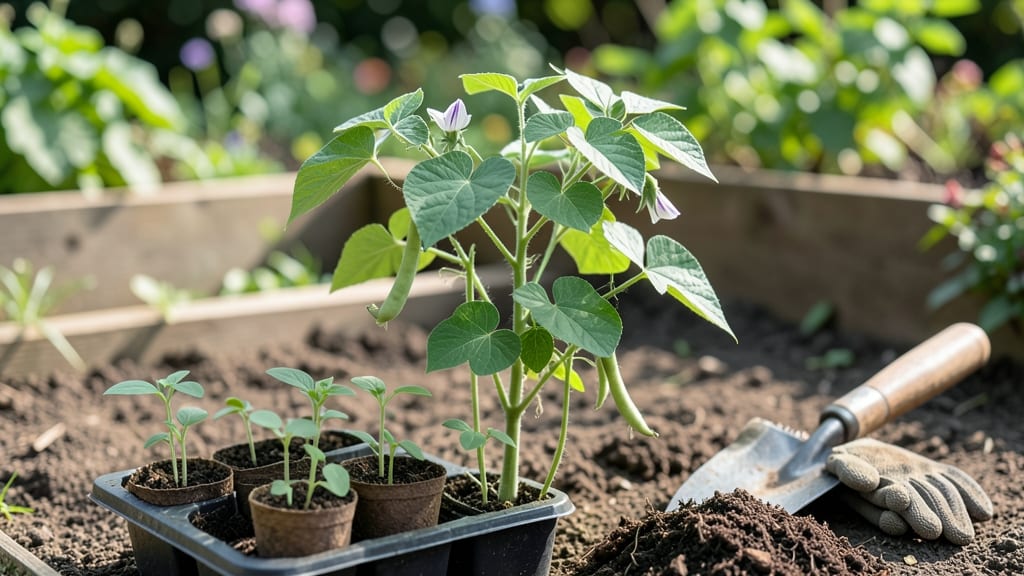
Planting bush beans 🌱 at the wrong time in Florida doesn’t just mean fewer harvests—it means bitter, tough pods that bolt before you can enjoy them.
The key isn’t just avoiding frost (there isn’t any here!) but mastering Florida’s microclimates, where coastal humidity clashes with inland heat and even a few degrees can turn your garden into a bolting disaster.
I’ve learned the hard way that timing isn’t one-size-fits-all in the Sunshine State. Whether you’re in the steamy Panhandle, the humid coast, or the inland valleys, the perfect window shifts based on soil temps, humidity, and even your local heat islands.
Get it right, and you’ll enjoy tender pods for 60-70 days—get it wrong, and you’ll be left with stringy, flavorless beans.
Most gardeners assume spring is the only game in town, but Florida’s year-round growing season means fall plantings can actually outperform spring in many areas. The trick? Avoiding the brutal summer heat and leveraging cooler months for slower, sweeter growth.
I’ll break down the exact months to plant for your specific corner of Florida—and how to tweak your approach if you’re in a hotter microclimate.
Ready to go from guesswork to guaranteed harvests? Let’s dive into the science-backed planting schedule that’ll keep your bush beans producing tender, flavorful pods all year long—without the bitterness or bolting.
Florida’s 3 planting zones for bush beans: coastal vs. inland vs. Panhandle timing
Florida’s climate might seem uniform, but when it comes to planting bush beans, your location matters more than you’d think. The coastal zone with its high humidity, the inland areas with intense summer heat, and the Panhandle’s cooler winters all demand different planting strategies.
Get the timing wrong, and you’ll end up with bolted plants or poor germination instead of tender, flavorful pods.
Unlike northern states, Florida’s frost-free growing season means you can plant bush beans year-round—but not all months are equal. The key is avoiding soil temperatures above 90°F and peak summer humidity, both of which stress young seedlings.
Instead, focus on spring and fall plantings when conditions are ideal for germination and growth.
Here’s how to align your planting schedule with Florida’s three distinct zones for zero-bolt success and maximum yields. The right timing ensures your plants stay compact, productive, and pest-free—no bitter, stringy pods here!
🌱
In the coastal zone, where humidity hovers around 70% or higher, bush beans thrive in late January to early March for spring plantings. The high moisture levels speed up germination, but you’ll need to space plants wider (12–18 inches apart) to prevent fungal diseases like white mold.
For fall, aim for August–September to avoid the hurricane season downpours that can drown seedlings.
Central Florida’s intense summer heat (often exceeding 95°F) makes planting during May–July a gamble. Instead, opt for mid-February to late March in spring and July–early August for fall. Here, mulching with straw is non-negotiable—it keeps soil temps stable and reduces water loss.
If you’re in Orlando or Tampa, consider shade cloth during peak afternoon sun to prevent bolting.
Up in the Panhandle, cooler nights (often dropping to 50°F) and slightly drier conditions allow for a later spring window (March–April). Fall plantings here shift to June–July to capitalize on the region’s longer daylight hours.
The Panhandle’s sandy soil drains quickly, so add compost or aged manure to retain moisture and nutrients.
Regardless of zone, always test soil temperatures with a soil thermometer before planting—60°F is the magic number for germination. If temps are too high, wait a week or two.
And remember: bolting (when plants flower prematurely) is your enemy. By planting at these optimal windows, you’ll avoid the bitter, fibrous pods that come from heat-stressed plants.
Pro tip: Succession planting every 2–3 weeks within your zone’s window ensures a continuous harvest. In coastal areas, you might squeeze in three plantings; inland, two is ideal. The Panhandle can handle up to four if you’re strategic about timing.
🌿
How to avoid bolting: microclimate hacks for Florida gardeners
Florida's relentless summer heat and humidity can turn your bush beans into bitter, bolted plants before you even harvest. The key to preventing premature flowering lies in understanding your garden's microclimate—those tiny pockets where temperature, shade, and airflow create perfect (or terrible) growing conditions.
I’ve learned that even a 10-degree difference between my front yard and backyard can mean the difference between tender pods and tough, stringy failures.
Your first defense against bolting is shade cloth. In Florida’s peak summer months (June-August), even bush beans need protection. Use a 30-50% shade cloth to filter sunlight while maintaining airflow.
I’ve found that mid-morning shade (10 AM–2 PM) works best—just remove it by late afternoon to let plants recharge for evening growth. Pro tip: Secure the cloth with stakes and clips to avoid crushing young plants as they grow.
Now, let’s talk mulching, because Florida’s soil can be a double-edged sword—too dry in spring, too hot in summer. The right mulch keeps roots cool and retains moisture, but not all mulches are created equal.
Below, I’ve compared organic vs. synthetic mulches to help you decide which works best for your microclimate.
Organic Mulch vs. Synthetic Mulch for Heat Retention
Organic Mulch
- Pros: Improves soil over time, retains moisture well, cools roots naturally
- Cons: Breaks down quickly (needs replenishing), can attract pests
Best for: Spring/fall plantings in well-drained soil. Use straw or wood chips (2-3 inches thick).
Synthetic Mulch
- Pros: Lasts years, reflects heat (keeps roots cooler), weed-suppressing
- Cons: Doesn’t improve soil, can overheat roots if too reflective
Best for: Summer plantings in hot microclimates. Use black or silver plastic (avoid clear—it traps too much heat).
Don’t overlook the power of companion planting. In Florida, pairing bush beans with the right neighbors can create a cooling microclimate around your plants. I’ve had the most success with basil, marigolds, or cucumbers—these plants reflect sunlight differently and even deter pests like Mexican bean beetles.
Avoid planting near onions or garlic, though; their strong aromas can stunt bean growth. For maximum cooling, interplant beans with fast-growing radishes, which shade the soil early in the season.
Finally, watering strategy makes or breaks bolting prevention. Deep, morning watering (before 10 AM) keeps roots cool and encourages strong foliage growth. In Florida’s heat, I water my beans every 2-3 days but adjust based on rainfall—never let the soil dry out completely, but avoid soggy roots.
A drip irrigation system with emitters placed at the base of plants is my go-to for consistent moisture without wetting leaves (which promotes disease).
With these microclimate hacks—shade cloth timing, smart mulching, companion planting, and precise watering—you’ll trick your bush beans into focusing on pod production instead of bolting. Trust me, your taste buds (and your neighbors) will thank you for those tender, sweet harvests all season long. 🌱