
Plants
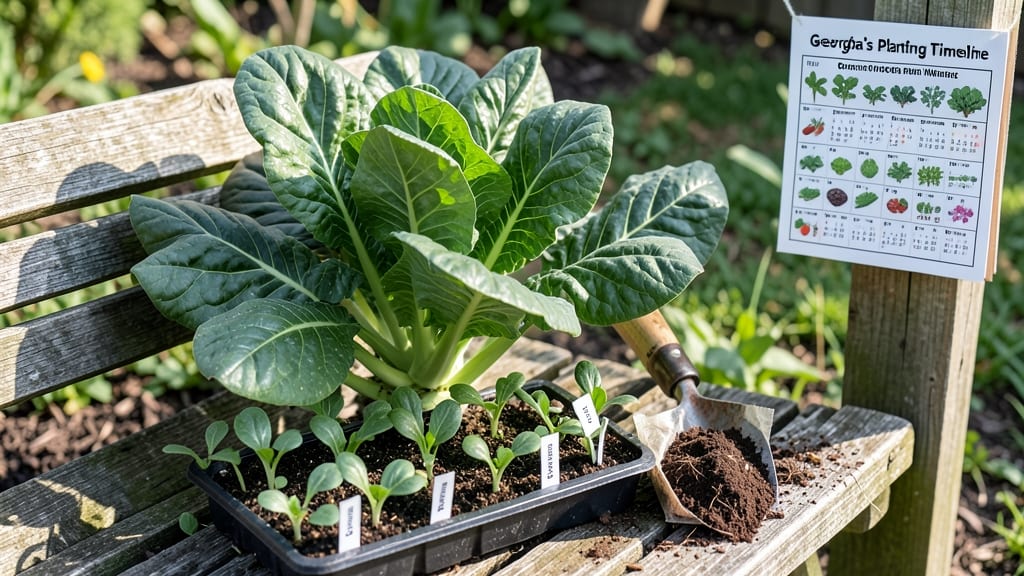
Planting collard greens 🥬 at the wrong time in Georgia can turn your garden into a bitter, bolted mess—unless you follow the heat-zone secrets that keep them sweet and thriving all season.
The key isn’t just picking a month; it’s syncing your schedule with Georgia’s 7a-8b zones, where summer heat and humidity can either ruin or reward your harvest.
Most gardeners make one of two mistakes: planting too early in spring when flea beetles strike, or waiting too late in fall when early frosts sneak in.
But the perfect window—March to April for spring and August to September for fall—lets you dodge both pitfalls while giving collards the cool weather they crave.
Here’s the game-changer: a month-by-month breakdown tailored to your exact Georgia region, from coastal humidity traps to Piedmont’s drier soils. We’ll cover soil prep, shade tricks, and even how to stretch your harvest through winter escapes—so you’re never without fresh, homegrown greens.
Ready to grow collards that taste like grandma’s kitchen? Let’s dive into the timing, tools, and tricks that’ll turn your garden into the greenest (and tastiest) block in Georgia.
Georgia heat zones for collard green planting: avoid bolting with precision timing
Georgia’s USDA hardiness zones 7a-8b create perfect conditions for growing collard greens, but timing is everything. Plant too early, and you’ll face heat stress and bolting—when plants prematurely flower and turn bitter.
Too late, and your harvest shrinks before winter sets in. Let’s break down the ideal planting windows for each zone to keep your collards sweet and productive all season.
Collard greens thrive in cool weather but can handle Georgia’s heat if planted strategically. The key is avoiding temperatures above 85°F, which triggers bolting. By focusing on early fall, late summer, or winter escapes, you’ll bypass the worst heat while maximizing your harvest window.
Let’s explore the best planting times for each Georgia heat zone.
Summary-Table for Georgia Heat Zones and Collard Green Planting:
| Zone | Last Frost Date | First Frost Date | Best Planting Window | Avoid Planting When |
|---|---|---|---|---|
| 7a (North GA) | Mid-March | Mid-November | Late August–Early September (fall), March (spring) | June–July (temps >85°F) |
| 7b (Central GA) | Early March | Late October | Late July–Early August (fall), February–March (spring) | May–August (peak heat) |
| 8a (South GA) | Late February | Early December | June–July (fall), January–February (spring) | April–September (extreme heat) |
| 8b (Coastal GA) | Early February | Mid-November | May–June (fall), December–January (winter escape) | July–August (humidity + heat) |
In Zone 7a (North Georgia), where frost lingers later, aim for late August–early September for fall planting. This gives your collards time to mature before winter sets in.
For spring, plant in March—any earlier risks heat stress from lingering summer temperatures. The goal is to keep soil temps between 60°F–75°F for optimal growth.
For Zone 7b (Central Georgia), you’ve got a slightly longer window. Start seeds in late July–early August for fall harvests, or sow directly in February–March for spring.
Central Georgia’s higher humidity means you’ll need to monitor for downy mildew, so choose disease-resistant varieties like Georgia Southern or Blue Max.
Southern Georgia’s Zone 8a offers the most flexibility. Plant in June–July for fall crops or January–February for spring. The milder winters here allow for winter escapes—planting in late fall for early spring harvests. Just avoid planting in April–September, when temps often exceed 90°F and trigger bolting.
Coastal Zone 8b gardeners can push the limits with December–January plantings for winter escapes. The ocean breeze moderates temps, but watch for salt spray near the shore—mulch heavily to protect roots. For fall, plant in May–June to avoid the brutal summer heat.
Coastal collards often grow faster due to higher humidity, but they’re also more prone to pests like flea beetles.
No matter your zone, always harden off seedlings before transplanting. Acclimate them to outdoor conditions over 7–10 days to prevent shock. Use shade cloth if planting in late summer to protect young plants from intense afternoon sun. And remember: succession planting every 2–3 weeks ensures a continuous harvest.
If you miss the ideal window, don’t despair! Winter collards thrive in Georgia’s mild winters. Plant in October–November for a holiday harvest. Just be prepared to protect plants with row covers during hard freezes.
With the right timing, you’ll enjoy tender, sweet collards from fall through spring—no bitter bolts in sight! 🥬
Step-by-step planting calendar: monthly Georgia collard green schedule
Georgia’s diverse climate means collard greens thrive in both spring and fall, but timing varies between North (Zone 7a) and South Georgia (Zone 8b). Use this month-by-month guide to align your planting with frost dates and heat tolerance for continuous harvests all season.
For North Georgia, aim for late winter/early spring and mid-summer plantings, while South Georgia gardeners can extend fall plantings into October. The key? Avoid 90°F+ temperatures, which cause bolting and bitter flavors. Let’s break it down by month with actionable steps for each region.
📅 Monthly Georgia Collard Green Planting Schedule
- 1 February-March (North GA) / January-February (South GA): Start seeds indoors 6-8 weeks before last frost (mid-March). Harden off seedlings for outdoor transplanting in early April.
- 2 April (Both Regions): Transplant seedlings outdoors after soil reaches 50°F. Space plants 12-18 inches apart in full sun with well-draining soil.
- 3 June-July (North GA) / May-June (South GA): Sow direct seeds for fall harvests. Use shade cloth if temperatures exceed 85°F to prevent bolting.
- 4 August-September (Both Regions): Transplant young plants for fall-winter harvests. Mulch heavily to retain moisture and protect from early frosts.
- 5 October (South GA) / November (North GA): Plant cold-hardy varieties like 'Georgia Southern' for winter harvests. Protect with row covers if frost threatens before mid-November.
- 6 December-February (Both Regions): Harvest mature leaves as needed. Avoid planting new seeds—focus on protecting existing plants from freezing temps with mulch or row covers.
For succession planting, repeat the June-July and August-September steps every 3-4 weeks to ensure a steady supply. In South Georgia, you can even plant a final batch in October for a holiday harvest before winter sets in.
Pro tip: Use drip irrigation to maintain consistent moisture, especially during Georgia’s hot, dry summers. This prevents stress that can lead to bitter flavors or premature bolting. 💧
By following this schedule, you’ll enjoy tender, sweet collards from spring through winter, with minimal risk of bolting or stunted growth. The secret? Timing—and a little extra care during Georgia’s harshest months. 🌱