
Plants
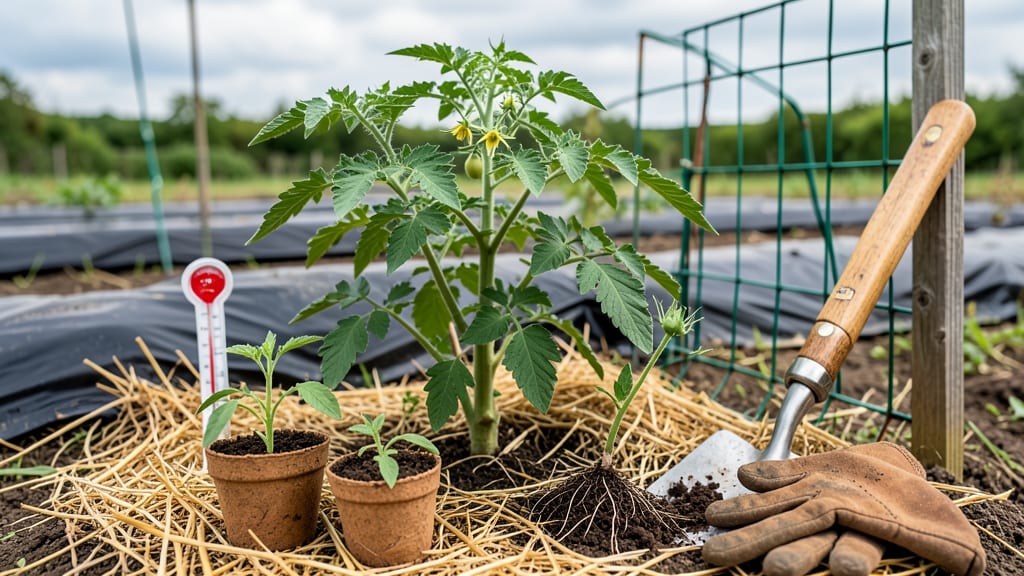
When is the best time to plant tomatoes in North Carolina? Timing your tomato planting can make or break your harvest—get it wrong, and you risk losing your 🍅 plants to frost or heat stress. Whether you're in the cooler mountain regions or the warmer coastal plains, knowing the exact window for planting tomatoes is the key to a bountiful garden.
With USDA zones ranging from 5b to 8a, North Carolina's climate varies dramatically, meaning your ideal planting dates might differ by weeks depending on where you live.
I’ve dug into the data to give you the most accurate, county-specific advice so you can start seeds indoors or transplant outdoors at the perfect moment.
From the last frost dates in Asheville to the extended growing season in Wilmington, this guide breaks down everything you need to know. You’ll learn how to adjust for microclimates, avoid common mistakes, and even extend your tomato season with simple tricks.
Ready to grow healthier, more productive tomatoes? Let’s get started with the best planting schedule for your exact location.
North Carolina’s tomato planting zones: heat Zone map and frost-free date calculator
North Carolina spans USDA Hardiness Zones 5b through 8a, creating dramatic differences in tomato planting windows. The Mountains (Zone 5b-6a) face early frosts, while the Coastal Plain (Zone 8a) enjoys longer growing seasons.
Without precise timing, you risk frost damage or heat stress—both kill tomato yields. Let’s pinpoint your exact planting zone for foolproof success.
Your county’s last average frost date determines when to plant. In the Asheville area (Zone 6b), tomatoes go in after April 15, while Wilmington (Zone 8a) gardeners can start as early as March 1.
The Piedmont region (Zone 7a-7b) falls in between, with ideal transplant dates around April 1 to April 15. Use the NC State Extension’s Frost-Free Date Calculator (linked below) to find your exact window.
| USDA Zone | Region | Last Frost Date | Transplant Window | Seed Start Indoors |
|---|---|---|---|---|
| 5b-6a | Mountains (Asheville, Boone) | April 15–May 1 | May 1–May 15 | March 1–March 15 |
| 6b-7a | Piedmont (Raleigh, Greensboro) | April 1–April 15 | April 15–April 30 | February 15–March 1 |
| 7b-8a | Coastal (Wilmington, Fayetteville) | February 15–March 1 | March 1–March 15 | January 15–February 1 |
Adjust dates 1–2 weeks earlier for early varieties or later for heat-sensitive types.
Soil temperature matters just as much as air temperature. Tomatoes thrive when soil reaches 60°F (15°C). In Zone 7b (Piedmont), this typically happens by mid-April, while Zone 5b (Mountains) may not hit this mark until late May.
Use a soil thermometer to confirm readiness—planting too early in cold soil stunts root growth and invites disease.
For transplants, aim to plant 1–2 weeks after your last frost date. This gives young plants time to establish roots before summer heat arrives. In Zone 8a (Coastal), this means March 1–15, while Zone 6a (Mountains) gardeners should wait until May 1–15.
Pro tip: Harden off seedlings for 7–10 days before transplanting to avoid shock.
Direct-sowing seeds requires warmer soil. In Zone 7b, wait until April 30–May 15 to sow seeds outdoors. For Zone 5b, push the timeline to June 1–15 to avoid frost.
Seedlings take 50–70 days to mature, so late sowing risks harvests cutting off before fall frosts. Start seeds 6–8 weeks indoors before your region’s last frost for a head start.
Coastal NC’s humid heat demands extra vigilance. Plant early-maturing varieties like ‘Celebrity’ or ‘Sunny’ to avoid blossom-end rot from inconsistent moisture. In the Mountains, opt for cold-hardy types like ‘Stupice’ or ‘Mountain Merit’ to handle cooler nights.
Always mulch with straw or grass clippings to regulate soil temperature and retain moisture.
Use these three rules to refine your timing:
- Check your county’s last frost date (NC State Extension has a map).
- Wait until soil hits 60°F.
- Adjust for your tomato variety’s days to maturity.
A 60-day variety in Zone 8a planted March 15 will harvest by May 15, while the same variety in Zone 6a needs a June 1 start for a late July harvest.
Missed the spring window? Try a fall transplant in Zone 7b–8a. Plant heat-tolerant varieties like ‘Solar Fire’ or ‘Heatmaster’ in August for a September–October harvest. In Zone 6a, limit fall planting to July 15 to allow 60+ days of growth before frost.
Always protect young plants with row covers for early/late season plantings.
Need your exact county’s frost dates? Bookmark the NC State Extension Plant Toolbox (link) and enter your ZIP code. Their interactive map shows historical frost data and heat zone overlays for precision planting. For organic garden
County-specific tomato planting calendar: when to start seeds indoors vs. transplanting outdoors
North Carolina’s 100+ counties create wildly different tomato-growing conditions—from Asheville’s cool mountain air to Wilmington’s humid coastal heat. Timing your seed-starting indoors and transplanting outdoors can mean the difference between a bountiful harvest and wilted seedlings.
I’ve broken down the optimal planting windows for 10 key counties, including risks like early blight in late spring and frost damage in high-altitude zones.
For heirloom varieties (like Brandywine or Cherokee Purple), start seeds 6-8 weeks before last frost—earlier in the mountains and slightly later near the coast. Hybrid varieties (such as Celebrity or Better Boy) mature faster, giving you more flexibility.
Always harden off seedlings for 7-10 days before transplanting to avoid shock.
Here’s how your county’s microclimate affects your timeline, with a comparison of early spring vs. late spring risks:
| County | Last Frost Date | Start Seeds Indoors | Transplant Outdoors | Harvest Window | Risk in Late Spring |
|---|---|---|---|---|---|
| Asheville | April 15 | Feb 20 - Mar 5 | May 1 - May 15 | July - Sept | Fungal diseases (cool, wet soil) |
| Raleigh | March 25 | Feb 15 - Mar 10 | April 15 - April 30 | June - Oct | Late blight (humid air) |
| Charlotte | March 15 | Feb 20 - Mar 5 | April 1 - April 15 | June - Sept | Heat stress (early transplant) |
| Wilmington | March 1 | Jan 20 - Feb 10 | March 15 - March 31 | May - Oct | Fungal spores (coastal humidity) |
| Greenville | March 10 | Feb 1 - Feb 15 | March 15 - April 1 | May - Sept | Nutrient deficiency (fast growth) |
| Boone | April 20 | Mar 1 - Mar 15 | May 1 - May 10 | July - Sept | Slow germination (cool soil) |
| Durham | March 20 | Feb 10 - Feb 25 | April 1 - April 15 | June - Oct | Blossom end rot (calcium uptake) |
| Winston-Salem | March 15 | Feb 15 |