
Plants
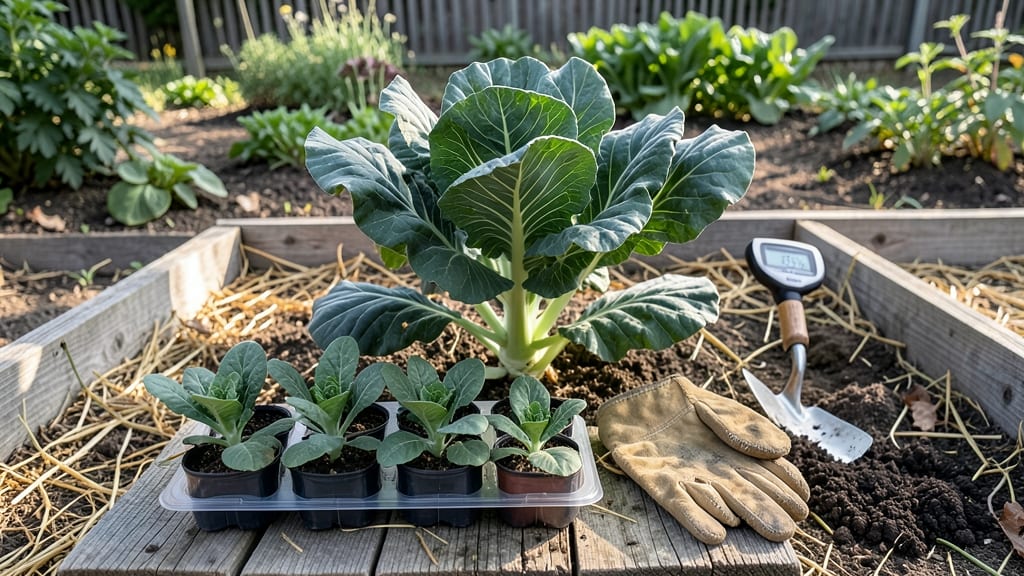
Planting collard greens in Georgia at the wrong time can turn your garden into a bitter disappointment—but get the timing right, and you’ll enjoy tender 🥬 leaves straight from your backyard for months.
Georgia’s mild winters and hot summers create the perfect conditions for collard greens, but knowing when to plant is the key to avoiding tough, stringy leaves or poor growth. Whether you’re aiming for a spring harvest or a hearty fall-to-winter supply, the right schedule makes all the difference.
I’ve grown collards in Heat Zones 8A and 8B for years, and I’ll share exactly when to start seeds—whether you’re planting in early spring, late summer, or even extending your harvest into winter. Let’s break down the best planting windows so you can enjoy fresh collards all year.
From soil prep to frost protection, I’ll cover everything you need to know to grow collards that are sweet, flavorful, and ready to harvest in just 60-70 days. Ready to get started?
Best collard green planting times in Georgia’s heat zones 8A/8B
Georgia’s Heat Zones 8A/8B offer a unique advantage for growing collard greens—you can enjoy fresh harvests nearly year-round. However, the key to tender, flavorful leaves lies in timing your plantings to avoid Georgia’s brutal summer heat and early frosts.
In my experience, the best windows are early spring, late summer, and fall, each requiring slightly different strategies to maximize growth.
Collards thrive in Georgia’s mild winters but struggle when summer temperatures exceed 90°F (32°C). By planting at the right times, you can ensure your collards mature before the heat sets in or before frost arrives.
Let’s break down the optimal planting schedule for each season, including soil prep tips and frost protection advice tailored to your zone.
| Planting Window | Ideal Months | Soil Temp | Key Considerations | Harvest Window |
|---|---|---|---|---|
| Early Spring | March - April | 45-55°F (7-13°C) | Plant after last frost (mid-March). Use row covers for frost protection. | May - June |
| Late Summer | August | 70-80°F (21-27°C) | Direct sow after heat subsides. Provide afternoon shade. | October - November |
| Fall | September - October | 60-70°F (15-21°C) | Best window for winter harvests. Mulch heavily for frost protection. | November - March |
For spring plantings, start seeds indoors 4-6 weeks before your last frost date (typically mid-March in Zone 8A/8B). Transplant seedlings outdoors once soil temperatures reach 45°F (7°C) and nighttime temps stay above 30°F (-1°C).
In my garden, I’ve found that late March plantings give the best balance between avoiding frost and escaping summer heat.
If you’re aiming for a fall harvest, late August is your best bet for direct sowing. This timing ensures your collards mature before Georgia’s first frost (usually mid-November) but avoids the worst of summer’s heat.
For even later harvests, consider a September planting—just be prepared to use row covers or mulch to protect tender leaves from early frosts.
One of my favorite strategies is succession planting in late summer. By sowing a second crop in early September, you can extend your harvest well into winter. Just remember to space plants 12-18 inches apart and keep soil moist during establishment.
This method has given me continuous harvests from October through March in past years.
Georgia’s summer heat can be brutal on collards, so I always recommend avoiding plantings after July 1st. Instead, focus on fall and spring windows where temperatures are more moderate. If you must plant in summer, provide afternoon shade cloth (30-50% shade) to prevent bolting and maintain leaf tenderness.
Proper soil preparation is non-negotiable for collards. Amend your garden beds with compost or aged manure to improve drainage and fertility. Collards prefer a slightly acidic to neutral pH (6.0-7.0), so test your soil before planting.
In my experience, well-draining, nutrient-rich soil leads to faster growth and more tender leaves.
Don’t forget about frost protection for your fall plantings! When temperatures dip below 25°F (-4°C), cover your collards with frost blankets or row covers. I’ve successfully grown collards through January in Zone 8B using this method.
For even colder nights, consider mulching with straw to insulate the soil and protect roots.
Timing your collard plantings correctly in Georgia’s Heat Zones 8A/8B means you can enjoy fresh, homegrown greens for nearly 10 months of the year. By following this seasonal schedule—spring, late summer, and fall—you’ll avoid the pitfalls of extreme heat and frost while maximizing your harvest potential.
Happy planting! 🌱
How to extend collard green harvests year-round in Georgia
Georgia’s mild winters and hot summers create perfect conditions for collard greens—but only if you plan strategically. With the right techniques, you can enjoy fresh harvests from late fall to early spring, even through our occasional light frosts.
The key lies in succession planting, cold protection, and heat management.
Unlike many vegetables, collards thrive in cool weather and can even sweeten after frost. However, Georgia’s summer heat can make them bolt prematurely or develop bitter flavors. By using seasonal planting windows and protective measures, you’ll maintain a steady supply of tender leaves all year.
-
1. Succession Plant Every 3 Weeks
Start your first planting in late July for a fall harvest, then sow new seeds every 3 weeks until mid-September. This ensures continuous growth as older plants mature. -
2. Use Row Covers for Winter Protection
Apply frost blankets or lightweight row covers when nighttime temps drop below 30°F (-1°C). This extends harvests into January or February without damage. -
3. Plant Shade-Tolerant Varieties in Summer
Choose heat-resistant varieties like 'Georgia Southern' or 'Vates' for late summer plantings. Provide afternoon shade (using shade cloth) to prevent bolting. -
4. Mulch Heavily in Winter
Apply 4-6 inches of straw mulch after the first frost to insulate roots. This prevents soil heaving and keeps leaves tender during mild winter days. -
5. Harvest Strategically for Regrowth
Always pick outer leaves first, leaving the inner growth intact. This encourages continuous production for up to 6 months per planting.
For summer plantings, focus on early morning watering and drip irrigation to avoid wilted leaves. Collards planted in August can produce harvests by October, just in time for cooler weather. Pair this with fall succession plantings to bridge the gap until winter.
Don’t overlook soil fertility—amend beds with compost and aged manure before planting. Collards are heavy feeders, especially during active growth. A side dressing of compost in early fall gives them the nutrients needed for winter harvests.
With these techniques, you’ll enjoy fresh collards year-round, from summer’s end to spring’s arrival. The secret? Timing, protection, and patience—just like Georgia’s gardeners have done for generations. 🌱