
Plants
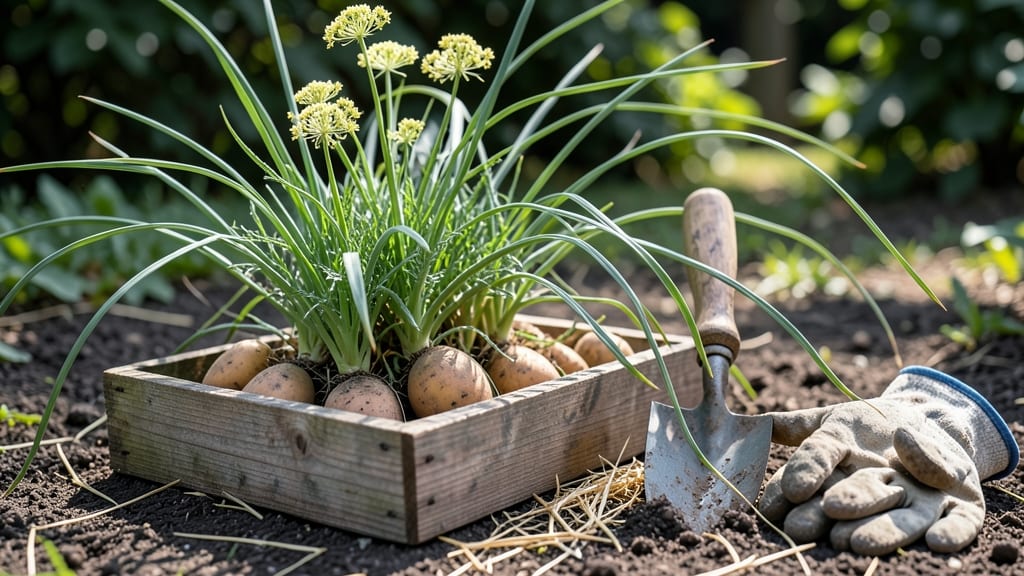
If you've ever wondered why your chufa plants 🌾 struggle to thrive in Alabama's heat, timing is the secret weapon you've been missing. Planting too early risks frost damage, while waiting too late means missed harvests—both are costly mistakes for gardeners in zones 7b-8a.
Alabama's warm climate gives you two perfect windows to plant chufa: spring and fall. But here's the catch—getting the timing right means avoiding the brutal summer heat or early frost surprises. I'll show you exactly when to start seeds and transplant for maximum success.
You'll discover why April-May is ideal for spring planting and how September-October offers a second chance. Plus, I'll share how Alabama's microclimates can shift your strategy—whether you're in the northern hills or southern plains.
Ready to grow chufa like a pro? Let's break down the exact planting schedule, soil prep secrets, and care tips that'll have you harvesting tiger nuts in no time—without the guesswork.
Best months to plant chufa in Alabama for maximum yield
Alabama’s USDA zones 7b-8a create perfect conditions for chufa (Cyperus esculentus), but getting the timing right is critical. Unlike many crops, chufa thrives in warm soil temperatures—below 60°F and germination stalls.
In my experience, planting too early risks frost damage, while late planting cuts harvest time short. Let’s break down the ideal windows for your Alabama garden.
Chufa has two primary planting windows in Alabama: early spring and late summer. The spring window—April through early May—aligns with soil warming after the last frost (typically mid-March).
The late summer window—September to October—lets you take advantage of residual summer heat before cooler weather sets in. Both strategies work, but each has unique benefits depending on your location in the state.
Here’s the key difference: Spring planting gives you a full growing season (150–180 days) to maturity, while fall planting relies on stored heat and shorter daylight. Northern Alabama gardeners (e.g., Huntsville) should lean toward spring, while southern regions (e.g., Mobile) can push into late summer without frost risk.
Let’s compare these approaches in detail.
| Planting Window | Best For | Soil Temp Requirement | Days to Maturity | Harvest Window | Key Consideration |
|---|---|---|---|---|---|
| April - Early May | Northern Alabama (Zones 7b) | 65°F+ (consistent) | 150-180 days | August - October | Avoid late frost; mulch for warmth |
| Late May - June | Southern Alabama (Zones 8a) | 60°F+ (minimum) | 120-150 days | July - September | Risk of summer drought; water deeply |
| September - October | All regions (fall crop) | 65°F+ (initial warmth) | 90-120 days | October - November | Use black plastic mulch to retain heat |
For spring planting, I recommend starting seeds indoors in March (6–8 weeks before last frost) if you’re in cooler zones. Transplant seedlings outdoors after soil reaches 65°F—use a soil thermometer to confirm.
In my Birmingham garden, I’ve found that planting in late April gives tubers enough time to mature before first frost (typically mid-November).
If you prefer fall planting, aim for late August to September when daytime temps stay above 80°F. This method works best in southern Alabama, where frost arrives later.
I’ve had success using black plastic mulch to extend the growing season by 2–3 weeks—just remove it before harvest to avoid soil contamination.
One common mistake is planting chufa too early in March. While the ground may seem warm, surface temps can fluctuate, leading to poor germination. Instead, wait until mid-April when soil stays consistently above 60°F for at least 5 hours daily.
Pro tip: Pre-warm seeds by soaking them in warm water (80°F) for 24 hours before planting to jumpstart growth.
Watering plays a critical role in both planting windows. Chufa needs deep, infrequent watering—1–1.5 inches per week—but avoid soggy soil, which causes rot. In summer plantings, I water every 5–7 days and use drip irrigation to keep leaves dry.
For fall crops, reduce watering as temps drop to prevent fungal issues.
Harvest timing varies by planting window. Spring-planted chufa is ready in late August to October, while fall-planted tubers mature by November. Look for brown, crispy foliage and dry soil—these are your cues.
I dig up a few tubers to check size; if they’re pea-sized and firm, it’s harvest time. Leave a few plants to mature fully for seed collection if you want to save chufa for next year.
Remember, Alabama’s microclimates matter. Coastal areas like Gulf Shores can plant later than inland regions. Always check your local frost dates and adjust accordingly. With the right timing, you’ll enjoy a bountiful chufa harvest—perfect for snacks, smoothies, or even homemade horchata! 🌾
How Alabama’s climate affects chufa planting success
Alabama’s humid subtropical climate creates both opportunities and challenges for growing chufa (Cyperus esculentus). The state’s long, hot summers and short frost-free season demand precise timing and soil preparation.
In North Alabama (USDA Zone 7b), cooler nights and occasional late frosts can delay planting, while South Alabama (Zone 8a) offers a longer growing window but requires extra attention to heat tolerance and drought resistance.
Chufa thrives in well-draining sandy soil with full sun exposure, but Alabama’s heavy clay soils in many regions can suffocate roots. Amending soil with organic matter like compost or sand is critical to prevent waterlogging.
Additionally, the state’s high humidity (70-80%) increases the risk of fungal diseases, so proper spacing and airflow are essential for healthy growth.
Here’s the key takeaway for Alabama gardeners:
🌱 Chufa Planting Success in Alabama
April–May (spring) or September–October (fall)
60°F+ for germination
Deep watering weekly (adjust for rain)
North Alabama: Wait until after last frost (mid-April). South Alabama: Plant earlier (March) to avoid summer heat stress.
In North Alabama, where USDA Zone 7b brings cooler temperatures, chufa seeds should wait until soil warms to 60°F+, typically by mid-April. This region benefits from a spring planting to avoid late-summer heat spikes that can stress plants.
Use black plastic mulch to warm soil faster and retain moisture during Alabama’s dry spells.
For South Alabama’s Zone 8a, the window opens earlier—March planting is possible if you protect young shoots from unpredictable cold snaps. However, summer heat (often exceeding 90°F) can stunt growth, so prioritize shade cloth during peak afternoon sun.
Both regions should focus on drought-resistant techniques, like mulching with straw to conserve moisture and reduce weed competition.
Alabama’s high humidity also means fungal diseases like root rot are a risk. Always plant in raised beds or mounded soil to improve drainage. If your garden has heavy clay, mix in coarse sand or perlite to create an ideal sandy-loam texture.
With these adjustments, chufa can thrive year after year in Alabama’s climate.
🌿