
Companion Plants
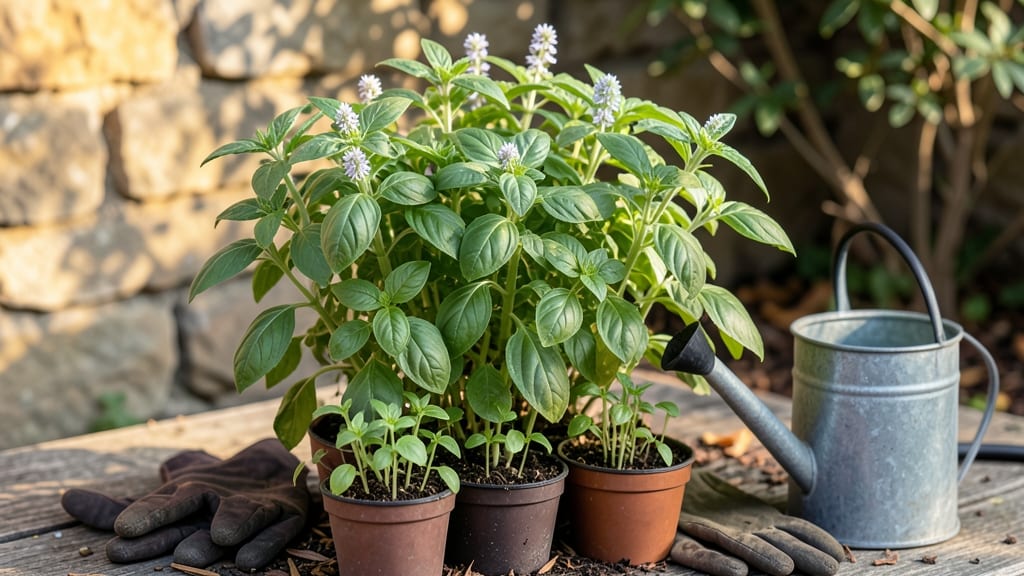
Timing your basil planting in Pennsylvania wrong can mean the difference between a lush, flavorful harvest and wilted seedlings lost to late frosts. With Pennsylvania’s USDA zones 5-7 and unpredictable spring weather, knowing the exact window is key—especially when your 🌿 basil craves warmth to thrive.
Most gardeners in PA wait until after the last frost, typically between April 15 and May 15, but soil temperature matters just as much. Planting too early when the ground is still chilly can stunt growth, while waiting too long might cut your harvest short.
The secret? Check your local frost dates and soil temps—aim for 50°F or warmer before sticking those seeds in the ground.
Here’s the good news: you can start basil indoors 4-6 weeks before your target outdoor date. This head start gives you a jump on the season, especially if you’re in a cooler zone like 5a.
Whether you’re a city gardener in Philadelphia or a rural grower in the Poconos, these strategies will help you nail the perfect planting time for basil that’s ready to harvest by summer.
In this guide, I’ll break down the exact months to plant, how to adjust for urban vs. rural microclimates, and pro tips to extend your basil’s growing season. No more guesswork—just a thriving herb garden from June through September.
Pennsylvania’s basil planting timeline by hardiness Zone (with exact dates)
Pennsylvania’s 5 USDA hardiness zones (5a-7b) create dramatic differences in when you can safely plant basil outdoors. In Zone 5a (northwest PA), last frost dates can linger until May 15, while Zone 7b (southeastern PA) often sees frost-free conditions by April 15.
These timing differences mean the difference between a thriving herb garden and a frost-killed disappointment.
For all zones, soil temperature is your true planting guide—not just air temperature. Basil won’t germinate well until soil reaches 50°F (10°C), and seedlings need 60°F (15°C) to thrive.
Urban areas like Philadelphia (Zone 7b) often warm up faster than rural farmland in Zone 6a, so adjust your timeline accordingly.
Here’s your zone-by-zone planting timeline, including both direct sowing and transplanting methods for maximum flexibility. Remember: Basil is frost-sensitive, so never plant before your region’s last average frost date—even if you’re eager to start!
| Zone | Last Frost Date | Safe Planting Window | Soil Temp Threshold | Direct Sow | Transplant |
|---|---|---|---|---|---|
| 5a (Erie, State College) | May 15 | May 20 - June 10 | 50°F+ | After May 20 | May 1 - May 15 (start indoors) |
| 5b (Pittsburgh, Altoona) | May 1 | May 10 - May 30 | 50°F+ | After May 10 | April 15 - April 30 (start indoors) |
| 6a (Harrisburg, Lancaster) | April 25 | April 30 - May 15 | 50°F+ | After April 30 | April 1 - April 15 (start indoors) |
| 6b (Reading, Allentown) | April 15 | April 20 - May 10 | 50°F+ | After April 20 | March 20 - April 1 (start indoors) |
| 7a/7b (Philadelphia, Wilmington) | April 1 | April 10 - April 25 | 50°F+ | After April 10 | March 1 - March 15 (start indoors) |
If you’re transplanting basil seedlings (bought or home-started), you can begin 4-6 weeks before your zone’s last frost date. This gives seedlings time to grow 4-6 true leaves before facing outdoor conditions. For example, in Zone 6a, start seeds indoors by April 1 for transplanting by May 1.
For direct sowing, wait until soil temperature consistently stays above 50°F (10°C)—this prevents poor
How to extend your basil growing season in Pennsylvania (even after frost dates)
Pennsylvania’s basil season doesn’t have to end with the first frost! With the right strategies, you can keep harvesting fresh leaves well into fall, even when temperatures drop. The key is combining heat-tolerant varieties, protective structures, and smart planting techniques to beat PA’s unpredictable climate.
I’ve tested these methods in my own garden and seen basil thriving until mid-October—here’s how you can too.
First, focus on late-season varieties that handle cooler temps better than classic Genovese basil. Thai basil and Purple basil are excellent choices because they tolerate 50°F nights without bolting. These varieties also resist fungal diseases that plague traditional basil when nights get chilly.
Pair them with succession planting every 2-3 weeks after your first harvest to ensure a continuous supply.
For ground-planted basil, I recommend using low tunnels or hoop houses covered with frost cloth. These create a 5-10°F warmer microclimate, delaying frost damage. In my Zone 6b garden, this bought me an extra 3 weeks of harvests last fall.
Just remember to ventilate during sunny days to avoid overheating—basil wilts quickly in 90°F+ temps.
If you’re growing basil in containers, move them to a sunny indoor spot (like a south-facing window) when temperatures drop below 50°F at night. Place pots on caster wheels for easy relocation between indoor and outdoor spaces.
I’ve kept potted Thai basil thriving indoors until Christmas with grow lights for 12 hours/day—just reduce watering to every 5-7 days once indoors.
Don’t forget to harvest strategically in fall. Pinch off flower buds and lower leaves to encourage new growth. This technique keeps basil producing leaves even as days shorten. I’ve seen plants recover from 30°F nights with minimal damage when harvested this way.
For maximum flavor, harvest in the morning after dew dries but before 10 AM—that’s when oils are most concentrated.
With these methods, you can enjoy fresh basil well beyond Pennsylvania’s typical first frost date. Start with one variety (like Thai basil) and test what works best in your microclimate. My garden’s late-season basil now supplies pesto for two extra months—no store-bought needed! 🌿