
Plants
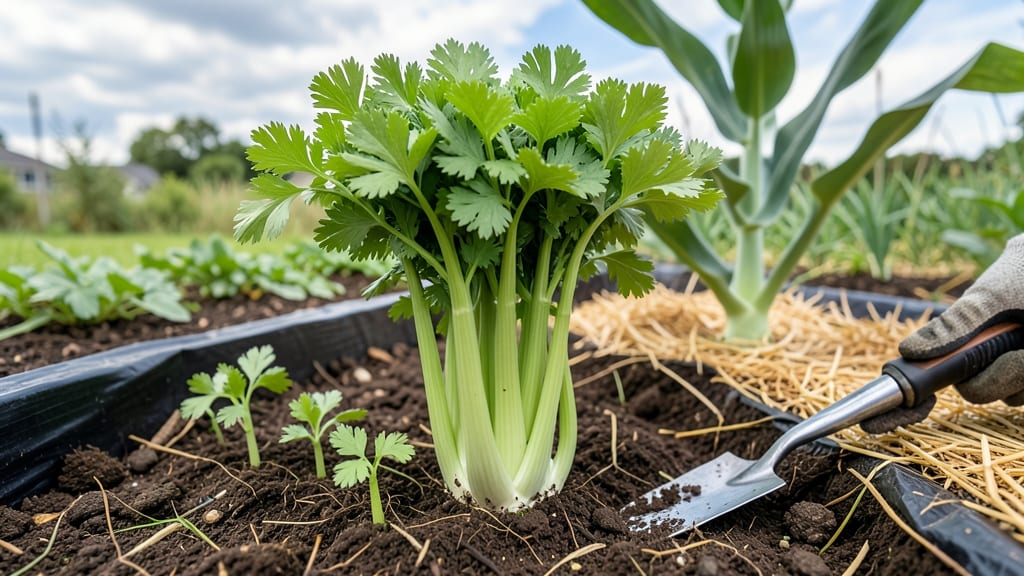
If you’ve ever wondered when to plant celery in Florida only to find your homegrown stalks bitter and tough, you know timing is everything—especially in the state’s unpredictable climate. Planting too early in the heat can trigger bolting, while waiting too long might leave you with stunted growth.
The key to crisp, flavorful celery lies in understanding Florida’s coastal vs. inland microclimates and adjusting your schedule accordingly.
Unlike most states, Florida’s frost-free winters mean you can grow celery year-round, but the fall and winter months are your best bet for cooler temperatures and slower bolting. Whether you’re in the humid coastal areas or the drier inland regions, the right planting window makes all the difference.
Most gardeners assume celery is a high-maintenance crop, but with the right strategy, it thrives in Florida’s 9a-11 zones. You’ll discover how to stretch your growing season, whether you’re sowing in January for early spring harvests or pushing it into late summer for a fall crop.
Let’s dive into the exact timing and techniques that will keep your celery crisp and your garden productive.
Ready to grow celery that tastes like it came from a farmers’ market? The secret starts with the calendar—and I’ve got the step-by-step schedule to get you there without the guesswork. No more wasted seeds or bitter surprises!
Optimal Florida celery planting calendar: coastal vs inland timing differences
Florida’s microclimates create dramatic differences in celery growing success, especially between coastal and inland regions. Coastal areas like Miami and Tampa enjoy milder winters, while inland zones like Orlando and Gainesville experience wider temperature swings.
Understanding these planting windows is key to avoiding bolting—the bitter, flower-producing phase that ruins your harvest.
Celery thrives in cool temperatures (60-75°F) and struggles when soil warms above 80°F. Florida’s frost-free growing season means you can plant year-round, but strategic timing maximizes crisp, flavorful stalks.
Coastal regions benefit from extended fall and winter growing, while inland areas must focus on early spring and late summer plantings to escape summer heat.
Here’s the critical comparison of planting windows, soil temperature thresholds, and seasonal adjustments for Florida’s two distinct growing zones:
For coastal Florida, the August-September window is golden—soil stays warm enough for germination but cools as winter approaches. I’ve had my best success planting Tango celery in early September near Fort Lauderdale, harvesting crisp stalks by December.
The key is to avoid summer heat, which causes bolting within 6-8 weeks.
Inland areas like Orlando should focus on January-February plantings when daytime highs hover around 75°F and nights dip into the 50s. I’ve found that direct sowing in late January yields harvest-ready celery by April, just as summer heat ramps up.
The trick is to transplant seedlings into well-draining soil with organic matter to buffer temperature swings.
Both regions face unique challenges: coastal gardens battle humidity and salt spray, while inland areas struggle with soil compaction and heat stress. My solution? Mulch heavily with straw or pine needles to retain moisture and regulate soil temperature.
In Tampa, I’ve seen mulched beds stay 10°F cooler than bare soil during June heatwaves.
Pro tip: Start seeds indoors 10-12 weeks before transplanting. This gives seedlings a head start in Florida’s unpredictable weather. I use grow lights to maintain 14-hour daylight cycles, which mimics Florida’s winter conditions.
For direct sowing, wait until soil temperatures drop below 80°F—use a soil thermometer to track this.
Remember, celery bolting is your worst enemy. It’s triggered by heat stress, drought, or long daylight hours. In South Florida, bolting often hits in May, while inland areas see it by June.
To delay bolting, provide afternoon shade with 50% shade cloth during peak summer months. I’ve extended harvests by 4-6 weeks using this method in Miami Gardens.
Finally, don’t overlook watering consistency. Celery roots are shallow, and drought stress turns stalks bitter. In Gainesville, I water my celery beds every morning at 6 AM during summer to prevent wilting. For coastal areas
How to prevent celery bolting in Florida’s heat: proven growing tips
Florida’s sweltering summers and humid afternoons can turn your celery into bitter, bolted stalks faster than you can say "southern heat." The key to preventing bolting lies in creating the right conditions—cool roots, consistent moisture, and strategic shade.
I’ve grown celery in North Florida’s inland heat and South Florida’s coastal breezes, and these proven tips keep my plants thriving year-round.
Celery bolts when it senses heat stress or drought conditions, triggering it to flower prematurely. In Florida, this usually happens between June and August when temperatures soar above 90°F (32°C).
But with the right approach, you can extend your harvest window well into summer or even plant a second fall crop without the bitter disappointment of bolting.
❌ Planting in full sun during peak summer – Celery needs afternoon shade in Florida’s heat.
❌ Letting soil dry out – Daily watering is non-negotiable in 90°F+ temps.
❌ Skipping mulch – 3-4 inches of mulch keeps roots cool and moist.
❌ Over-fertilizing with nitrogen – Too much N promotes leafy growth but weakens stalks.
Start by choosing the right shade solutions. In inland Florida, where heat is intense, use 50% shade cloth during the hottest months (June-August). For coastal areas, natural shade from nearby trees or a lightweight row cover works well.
I’ve had great success with palm fronds or bamboo screens—they filter sunlight while allowing airflow, which celery loves.
Mulching is your secret weapon against bolting. Apply 3-4 inches of straw or wood chips around your celery plants to insulate the soil. This keeps roots 5-10°F cooler than surface temps and reduces water evaporation.
In my Gainesville garden, mulched celery stays crisp through 100°F days, while unmulched plants bolt within weeks. Water deeply in the early morning—aim for 1-2 inches per week—and avoid wetting the leaves to prevent fungal diseases like early blight.
For extended summer harvests, try succession planting every 4-6 weeks from February to August. Start seeds indoors under grow lights and transplant seedlings when they’re 4-6 inches tall. This staggered approach ensures a continuous supply of fresh celery, even when temperatures peak.
In South Florida, you can even plant bolt-resistant varieties like ‘Tall Utah’ or ‘Golden Self-Blanking’ for year-round success.
Monitor your plants for early signs of stress: yellowing leaves, thin stalks, or flower stalks emerging are red flags. If you spot bolting, harvest immediately—even the stalks will be edible, though less tender.
For next season, adjust your shade schedule or switch to container growing with self-watering pots to give yourself more control over moisture and temperature.