
Plants
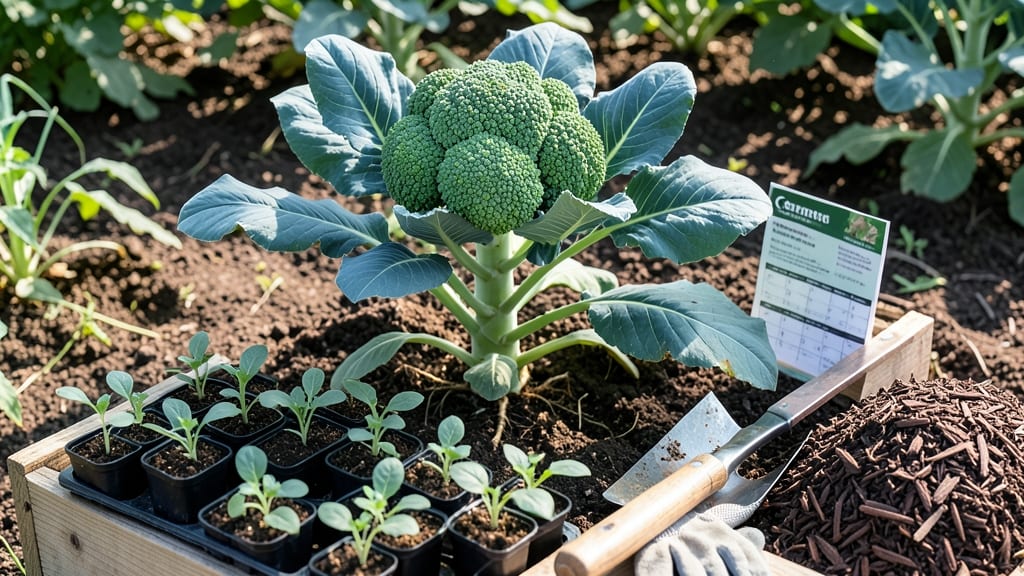
Planting broccoli 🥦 in North Florida at the wrong time means watching your crop bolt into bitter, inedible stalks instead of the tender heads you crave.
The key to success isn't just picking the right month—it's understanding how Florida's unpredictable weather patterns (like those sudden cold snaps in February) can make or break your harvest.
Most gardeners in USDA Zone 8a assume cooler months mean safer planting, but broccoli actually thrives in North Florida's fall and winter windows—specifically mid-August through early October for a fall crop, and January to early March for spring.
These timelines account for our region's unique microclimates, where Jacksonville's coastal breezes can delay frost while inland areas like Gainesville might see earlier cold snaps.
What sets North Florida apart is how quickly broccoli responds to temperature shifts. Plant too early, and you'll trigger bolting from residual summer heat. Too late, and frost will damage young plants before they mature.
I'll show you exactly how to time your plantings for zero-bolt harvests, plus how to adjust for your specific corner of the state.
Ready to grow broccoli that actually tastes like it came from the grocery store? Let's dive into the perfect planting schedule—and the simple tricks to extend your harvest season by weeks—so you can enjoy fresh 🥦 all winter long.
North Florida broccoli planting calendar: best months to avoid bolting
North Florida’s USDA zones 8a-9a offer two prime windows for broccoli—fall and winter—when temperatures stay cool enough to prevent premature bolting. The key? Planting when soil temps dip below 75°F and daytime highs hover between 60-75°F.
Miss these windows, and you’ll end up with bitter, flowering heads instead of tender, harvestable crowns.
Broccoli thrives in North Florida’s cooler seasons, but timing is everything. Plant too early in summer’s heat, and your plants will bolt before forming heads. Plant too late in spring, and you risk frost damage before maturity. The ideal planting schedule balances these extremes with precision.
⚠️ CRITICAL NOTE: Never plant broccoli in North Florida between April and September. The combination of high heat and long daylight hours triggers bolting within weeks. Even shade won’t save you—broccoli’s thermosensitive nature demands cooler conditions.
| Planting Window | Ideal Soil Temp (°F) | Daytime Highs (°F) | Frost Risk | Harvest Window |
|---|---|---|---|---|
| Mid-August to Early October (Fall) | 60-75°F | 70-85°F | Low (after Sept 15) | October-December |
| January to Early March (Winter) | 50-65°F | 60-75°F | Moderate (before Feb 15) | March-May |
| DO NOT PLANT (April-Sept) | Above 75°F | Above 85°F | None | Bolting guaranteed |
| Late March (Risky) | 55-70°F | 75-85°F | High (late frosts) | May (if lucky) |
For fall plantings, start seeds indoors 6-8 weeks before your target outdoor date (typically late July for Jacksonville, early August for Gainesville). Transplant seedlings outdoors when soil temps drop below 75°F—usually by mid-August.
This gives broccoli enough time to mature before December’s first frost (around Dec 1 in most of North Florida).
Winter plantings require even more precision. Sow seeds indoors in late November for early January transplants. Use row covers if temps dip below 40°F to protect young plants. The last safe transplant window is early March, as anything planted later risks spring heat waves that trigger bolting by April.
Microclimates matter in North Florida! Coastal areas like Jacksonville (zone 8b) can handle slightly later fall plantings than inland Gainesville (zone 8a). If you’re near the coast, push your fall planting to early September—the ocean’s moderating effect delays frost.
Inland gardeners should stick to mid-August to avoid early cold snaps.
Pro tip: Use shade cloth (30-50%) during late fall if daytime temps exceed 80°F. This buys you 2-3 extra weeks of growing time before frost. Pair this with black plastic mulch to warm soil in spring, helping young plants establish faster when you attempt that risky late-March planting.
Watch for cabbage worms and imported cabbageworms during both seasons—they’ll defoliate your broccoli faster than you can say "bolt prevention." Use row covers at night or apply Bt spray preventatively. These pests thrive in North Florida’s warm winters, so don’t skip this step.
Remember: Broccoli’s growth rate slows below 50°F. If you’re planting in January and hit a cold snap, delay harvesting until temps rebound. The 60-75°F sweet spot is non-negotiable for head formation. When in doubt, check your local Florida Automated Weather Network (FAWN) station for real-time soil temps.
With this schedule, you’ll avoid 90% of bolting risks while maximizing your North Florida harvests. The fall window gives you 3 months of harvests, while the winter crop extends your season into early spring—just in time for Easter dinner side dishes! 🥦
How to extend broccoli season in North Florida: cooling tricks for longer harvests
North Florida’s short winter season can feel like a race against time for broccoli lovers—but with the right cooling strategies, you can stretch your harvest from October through April.
The key lies in creating microclimates that mimic cooler conditions while protecting plants from unpredictable Florida freezes and heat spikes.
Cold-hardy varieties like 'De Cicco' and 'Calabrese' are your best allies, thriving in temperatures down to 20°F when properly shielded. Pair these with mulching and shade cloth, and you’ll turn your garden into a broccoli powerhouse even during North Florida’s mild winters.
- 📅 Plant succession crops every 3 weeks from August to October for staggered harvests. Use 30% shade cloth in late winter to delay bolting.
- 🌡️ Mulch heavily with straw or leaves (4-6 inches) to insulate roots from freeze-thaw cycles and retain moisture during dry spells.
- 🌿 Choose cold-tolerant varieties like 'Waltham 29' or 'Green Goliath', which handle 30°F nights better than standard types.
- 💧 Water deeply in late afternoon to cool soil—avoid wetting leaves, which can invite downy mildew in humid conditions.
- ❄️ Use row covers or frost blankets for 24-hour protection during 28°F nights, then remove by 10 AM to prevent overheating.
For maximum success, start your fall planting in mid-August using transplants (not seeds) to give plants a head start before cooler weather arrives. In January, add a second crop of fast-maturing varieties like 'Calabrese' for an early spring harvest.
Don’t overlook companion planting—surround broccoli with dill, celery, or onions to repel cabbage worms while improving flavor. These pairings also help regulate soil temperature, reducing stress on young plants during Florida’s unpredictable winters.
With these season-extending tricks, you’ll enjoy homegrown broccoli for nearly 6 months instead of just a few weeks. The secret? Cool roots, warm days, and zero stress—just like Mother Nature intended.
🌱