
Plants
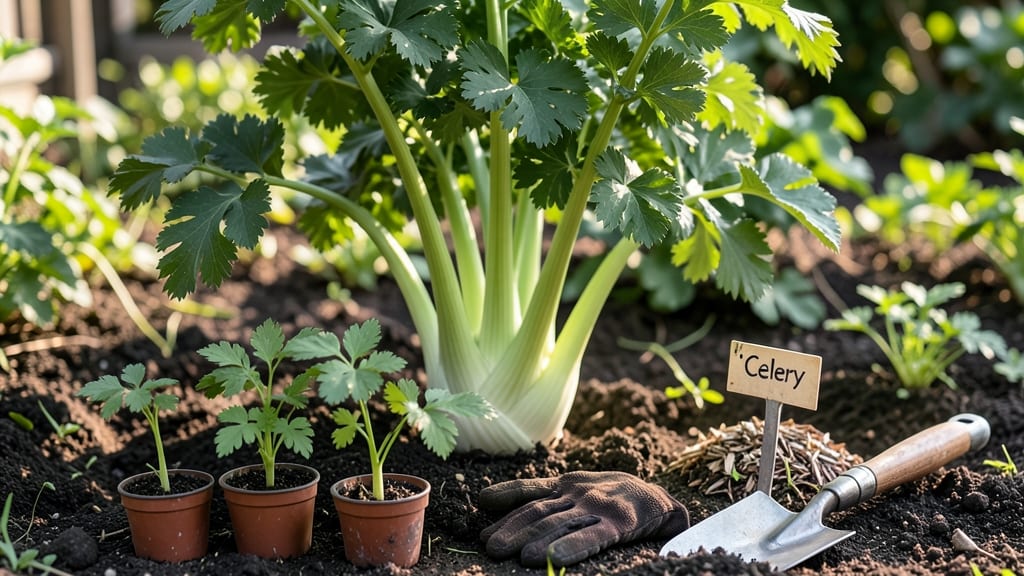
Timing your celery planting in North Carolina can mean the difference between crisp, flavorful stalks and bitter, bolted disappointment. The key? Planting in the right window—either early spring or late summer—when temperatures are just right to avoid those dreaded flower stalks.
If you're in zones 7a-8b, your best bets are February-March for spring harvests or July-August for fall crops. But here’s the catch: NC’s variable weather means you’ve got to balance soil warmth, frost dates, and heat tolerance.
Get this wrong, and you’ll end up with celery that’s either leggy or flowering before you can say 🥬.
I’ve grown celery in NC for years, and I’ll show you exactly when to plant—plus how to prep your soil, choose the right varieties, and keep your plants from bolting. No more wasted effort or store-bought stalks when you can grow your own.
Ready to unlock the secrets to zero-bolt success? Let’s dive into the exact months and steps that’ll give you a bountiful harvest, no matter where you are in the state.
North Carolina’s ideal celery planting calendar by region (exact months)
North Carolina’s diverse climate—from the Coastal Plain’s mild winters to the Mountains’ cooler temperatures—means your celery planting schedule must adapt. Timing is everything to avoid bolting (premature flowering) while maximizing crisp harvests.
Whether you’re in USDA Zones 7a-8b, knowing your region’s last frost dates and heat tolerance will determine your success.
Celery thrives in cool weather but wilts under summer heat. The key is planting in early spring (February-March) and late summer (July-August) for two harvest windows. Coastal areas can push spring plantings slightly earlier, while Mountain regions may extend fall harvests.
Let’s break down the exact months for each region to ensure zero-waste growth and consistent yields.
📅 Pro Tip: Use succession planting—sow seeds every 2-3 weeks—to extend harvests. For example, plant a batch in February, then again in March, and finally in July for a fall crop. This strategy works best in the Piedmont, where temperatures moderate more predictably.
In the Coastal Plain, where winters are milder, you can start seeds as early as January for a spring harvest by April. The Piedmont, with its hotter summers, requires planting in February-March and July to avoid bolting.
Meanwhile, Mountain gardeners enjoy a longer season—plant in March-April for a June-July harvest and again in August for a fall crop.
⚠️ Watch for Heat Stress: Celery bolts (goes to seed) when temperatures exceed 80°F for prolonged periods. In the Piedmont and Coastal regions, use shade cloth (30-50%) during peak summer months to protect plants. For Mountain regions, focus on succession planting to capitalize on cooler nights.
For direct sowing, plant seeds ½ inch deep in well-draining soil with a pH of 6.0-7.0. In Coastal areas, start seeds indoors in January and transplant after the last frost (mid-February).
In the Mountains, wait until late March to avoid frost damage. Transplants are easier for beginners—purchase 6-week-old starts from nurseries and set them out 2 weeks after your region’s last frost date.
Succession planting is your secret weapon. After your first harvest, replant every 2-3 weeks until mid-summer (June for Coastal, May for Piedmont, April for Mountains). This ensures a continuous supply of crisp celery. For example, in the Piedmont, plant in February, March, and July for harvests in May, June, and October.
Soil prep is non-negotiable. Amend your garden beds with 2-3 inches of compost and a balanced fertilizer (5-10-10) before planting. Celery loves moist, fertile soil, so mulch with straw or grass clippings to retain moisture and suppress weeds. Consistent watering (1 inch per week) is critical—drought stress is the #1 cause of bolting in NC gardens.
Regional tweaks make all the difference. In Coastal NC, where humidity is high, space plants 12-18 inches apart to improve airflow and reduce celery leaf spot. In the Mountains, where soil can be rocky, grow celery in raised beds filled with loamy soil for better drainage. Piedmont gardeners should prioritize shade during the hottest afternoons to prevent wilting.
By following this region-specific calendar, you’ll avoid the common mistakes of planting too early (risking frost) or too late (triggering bolting). With two harvest windows per year, you’ll enjoy fresh celery from spring through fall—no store-bought stalks needed! 🥬
How to prevent celery bolting in NC’s heat (critical tips for zero-waste growth)
North Carolina’s summer heat can turn your crisp celery dreams into bitter disappointment when plants bolt prematurely. Celery bolts when exposed to heat stress or inconsistent moisture, sending up flower stalks instead of the tender stalks we crave.
The good news? With the right strategies, you can extend your harvest window and avoid waste entirely.
Bolting happens when celery senses temperature spikes above 80°F or experiences drought stress. In NC’s humid climate, even brief dry spells can trigger this response. The key is creating an environment that mimics cool, consistent conditions while still allowing enough sunlight for growth.
Let’s dive into the most effective methods to keep your celery crisp and productive all season.
Once celery bolts, the stalks become woody and bitter. The 3-day rule applies: If you notice flower stalks forming, harvest immediately or remove the plant—no second chances. Prevention starts before planting with the right variety selection and shade strategies.
Start by choosing heat-tolerant varieties like ‘Golden Self-Blanching’, which handles NC’s summers better than standard types. This variety naturally blanches its stalks, reducing stress from direct sunlight.
For even better results, pair it with ‘Tall Utah’, which matures faster and resists bolting slightly longer in 90°F+ heat. Avoid ‘Utah’ or ‘Pascal’ varieties—they bolt quicker in NC’s climate.
Shade cloth is your secret weapon against bolting. Use a 30-50% shade cloth during the hottest months (June-August) to filter sunlight while maintaining airflow. Install it permanently over rows or use movable frames for flexibility.
Water the cloth daily to prevent heat buildup—this mimics the cool, humid conditions celery prefers. Pro tip: White shade cloth reflects more heat than black, keeping roots cooler.
Consistent moisture is non-negotiable. Celery roots need 1-2 inches of water weekly, but NC’s heat evaporates it faster. Drip irrigation is ideal—place emitters at the base of plants to deliver water directly to roots without wetting foliage (which encourages disease).
Mulch with 2-3 inches of straw to lock in moisture and regulate soil temperature. Check soil moisture daily: If the top 1 inch feels dry, water immediately—never let celery wilt.
Companion planting can boost your success rate by up to 40%. Pair celery with leafy greens like lettuce or spinach, which shade the soil and retain moisture. Avoid planting near tomatoes or peppers, which compete for water and nutrients.
In NC’s Piedmont region, try interplanting with bush beans—their nitrogen-fixing roots improve soil health while providing light shade. For Coastal NC, radishes are excellent companions—they mature quickly and mark rows without crowding.
Finally, stagger your plantings every 2 weeks from February to August to ensure a continuous harvest. This spreads out the risk of bolting, as younger plants handle heat better than mature ones.
If you’re growing in containers, choose 5-gallon pots with drainage holes and move them to shadier spots by midday. With these strategies, you’ll enjoy crisp, homegrown celery straight from your NC garden—no bolting in sight!