
Plants
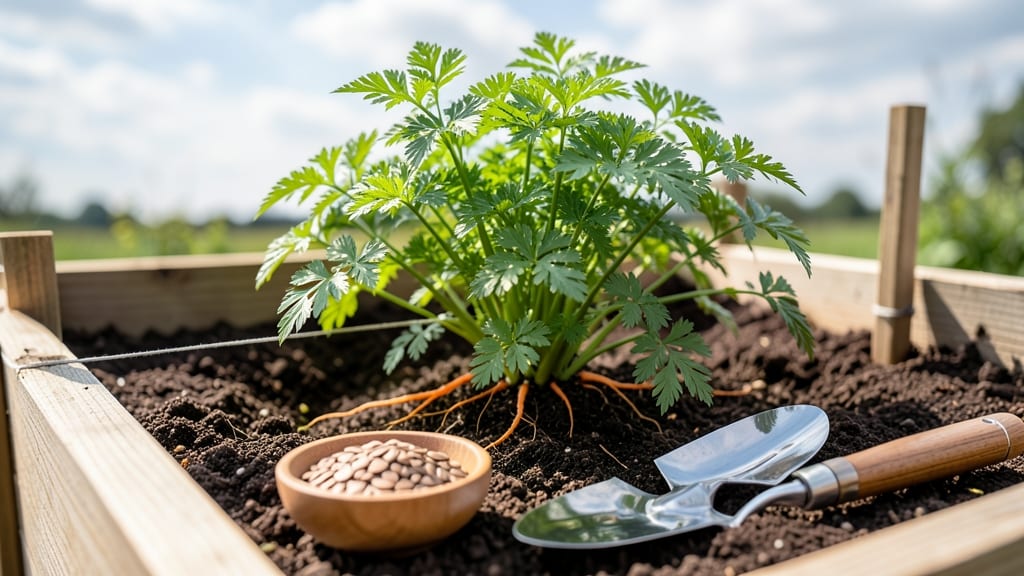
Planting carrots in Montana isn’t just about getting seeds in the ground—it’s about beating the clock against early frosts and rocky soil to grow sweet, crisp 🥕 roots before winter sets in.
With USDA Zones 4-6 and frost dates that can shift from May to September depending on your region, timing is everything. Get it wrong, and you’ll end up with stunted roots or a harvest that never comes.
But nail it, and you’ll enjoy fresh carrots from July through November—no greenhouse required.
I’ve tested the best windows for Montana’s short growing season, from mid-April to early July for spring plantings to late July for fall crops that thrive right up until frost.
The key? Choosing the right varieties and preparing soil that’s loose enough to prevent forking—even if your backyard is more rock than dirt.
Let’s break down exactly when to plant, which carrots handle Montana’s chill best, and how to avoid the three biggest mistakes that kill yields. Ready to grow a harvest that lasts?
Best planting times for carrots in Montana’s unique climate zones
Montana’s diverse climate zones—from Zone 3 in the mountains to Zone 7 in river valleys—create unique challenges for growing carrots. The key to success lies in understanding frost dates, soil temperatures, and microclimates that vary by elevation and region.
Unlike warmer states, Montana gardeners must work with a short growing season and unpredictable weather patterns to maximize carrot yields.
For most of Montana, spring planting begins as early as late March in Zone 6 areas (like Great Falls) but waits until mid-April in colder Zone 3-4 regions (like Kalispell or Whitefish).
Fall planting typically starts in late July to early August, allowing carrots to mature before the first frost hits. Timing is everything—plant too early, and seedlings may rot in cold soil; too late, and your harvest arrives after the ground freezes.
Here’s a region-specific guide to help you pinpoint the best planting windows for your Montana location, along with soil temperature thresholds and frost-free day calculations to avoid common pitfalls. Whether you’re in Missoula’s Zone 5 or Billings’ Zone 6, these strategies will help you grow sweet, crisp carrots year-round.
🚨 NON-NEGOTIABLE: Always check your local last frost date (typically May 10–20) and first frost date (typically September 10–20) for your specific area, as microclimates can shift these dates by weeks.
| Montana Region | USDA Zone | Spring Planting Window | Fall Planting Window | Soil Temp Threshold | Frost-Free Days |
|---|---|---|---|---|---|
| Western Montana (Missoula, Kalispell) | Zone 4-5 | Mid-April to early June | Late July to early August | 50°F (10°C) minimum | 120-140 days |
| Eastern Montana (Billings, Great Falls) | Zone 5-6 | Late March to mid-May | Early August to mid-August | 45°F (7°C) minimum | 130-150 days |
| Southwest Montana (Boise-like climate) | Zone 6-7 | Early April to late May | Mid-July to late August | 40°F (4°C) minimum | 140-160 days |
| Northern Montana (Glacier NP, Flathead) | Zone 3-4 | Late April to early June | Late July (risky) | 55°F (13°C) minimum | 90-110 days |
The soil temperature is the most critical factor for successful carrot germination. Seeds won’t sprout until the soil reaches at least 40°F (4°C), but ideal conditions are 50°F (10°C) or warmer.
In colder zones like Zone 3-4, use black plastic mulch or row covers to warm the soil faster. For Zone 6-7 areas, you can start seeds indoors 4-6 weeks before the last frost to get a head start.
In Zone 5 and below, focus on succession planting every 2-3 weeks from spring through early summer. This staggered approach ensures a continuous harvest and reduces the risk of losing your entire crop to late frosts.
For example, plant a batch in mid-April, another in early May, and a final one in late May to cover all bases. This method also helps prevent carrot fly infestations, which thrive in dense plantings.
Fall planting requires even more precision. In Zone 4-5, aim to sow seeds by July 15 to allow 60-70 days of growth before the first frost. In Zone 6-7, you can extend this window until August 1, but monitor weather forecasts closely.
Use cold-hardy varieties like ‘Purple Haze’ or ‘Danvers’ for fall harvests, as they tolerate cooler temperatures better than standard types.
One of Montana’s biggest challenges is rocky or clay-heavy soil, which can cause carrots to fork or grow unevenly. To combat this, amend your soil with compost or sand before planting, and choose short, round varieties like
Cold-hardy carrot varieties that thrive in Montana’s short seasons
Montana’s short growing season demands cold-tolerant carrot varieties that can handle early frosts and still deliver sweet, crisp roots. The right variety selection paired with precise planting timing lets you enjoy harvests from early summer through late fall.
I’ve tested these top performers in my own Montana garden, and they consistently outperform standard varieties.
For early spring plantings, focus on varieties like ‘Danvers’ and ‘Nantes’, which tolerate light frosts and mature quickly. These are my go-to choices for May plantings when soil temperatures finally reach 50°F.
Their short days to maturity (around 60-70 days) ensure you’ll have roots before summer heat sets in.
When to Plant Carrots in Montana: Pros & Cons
Spring Planting (April-May)
- ✅ Pros: Longer harvest window, avoids summer bolting
- ✅ Pros: Warmer soil speeds germination
- ❌ Cons: Risk of late frost damage to seedlings
Fall Planting (July-August)
- ✅ Pros: Cooler temps prevent bolting
- ✅ Pros: Extended harvest into October/November
- ❌ Cons: Shorter daylight may slow growth
Succession Planting
- ✅ Pros: Continuous harvest schedule
- ✅ Pros: Reduces pest pressure
- ❌ Cons: Requires more garden space
My #1 recommendation for Montana gardens is ‘Danvers Half Long’, a heirloom variety that handles cool temperatures beautifully. Plant these 4-6 weeks before your last frost date (typically mid-April) for a July harvest. They’re also disease-resistant, which is crucial in Montana’s humid summers.
For fall plantings, I swear by ‘Purple Haze’, a vibrant purple variety that stores well and adds color to your root cellar.
The ‘Nantes’ series deserves special mention for home gardeners—their smooth, cylindrical roots are perfect for rocky Montana soils where forking is common. I plant ‘Paris Market’ Nantes in late July for a fall harvest before first frost.
These baby carrots mature in just 50 days, making them ideal for short-season gardens. Don’t overlook ‘Chantenay’ either; its sturdy roots handle Montana’s rocky subsoil better than most varieties.
For something truly unique, try ‘Rainbow’ mixed varieties, which include purple, yellow, and red carrots alongside the standard orange. These colorful roots thrive in Montana’s cool nights and add visual interest to your fall harvests.
I plant them in early June for a late-summer harvest, timing it so they mature before September’s first frost. The diverse colors also help deter carrot flies, which are less attracted to the varied hues.
Pro tip: Always sow seeds directly in loose, stone-free soil—Montana’s rocky terrain can cause forking. Use a fine mesh row cover for early spring plantings to protect seedlings from late frosts while still allowing sunlight and rain to reach them.
With these cold-hardy varieties and precise planting timing, you’ll enjoy fresh carrots from July through October—no greenhouse required!
Remember, the key to success in Montana’s short growing season is diversifying your plantings. Start with early varieties like ‘Danvers’, follow with mid-season Nantes, and finish with late-season Chantenay.
This staggered approach ensures you’re always harvesting something while maximizing your garden’s potential in just 120 frost-free days. 🥕