
Plants
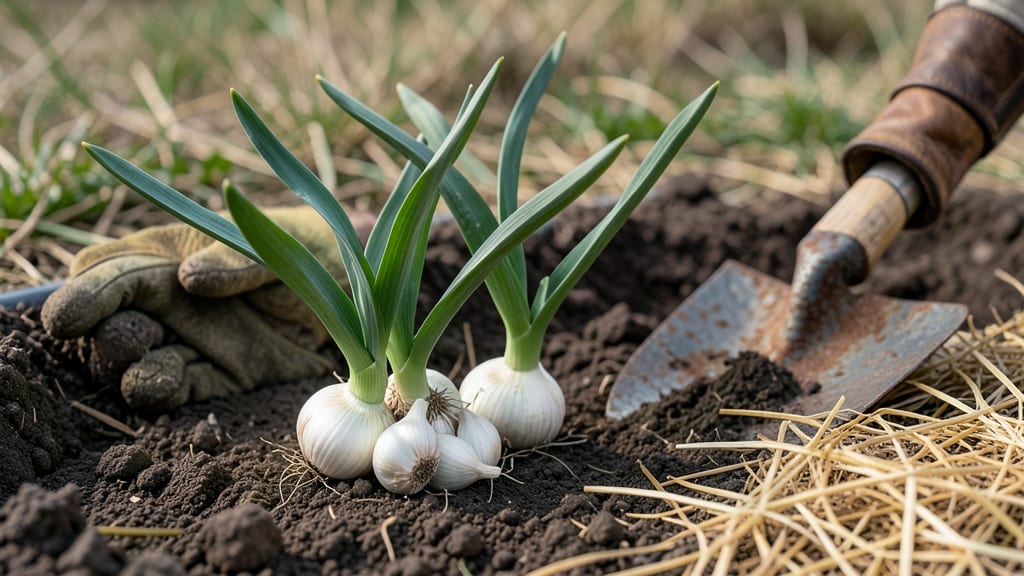
Planting garlic in the spring might seem tricky, but with the right timing, you can grow bold, flavorful bulbs that outperform fall-planted varieties. The key is understanding your local climate and choosing cold-hardy varieties that thrive when planted early—before the soil warms too much.
Unlike fall planting, spring garlic doesn’t need months of cold stratification to form bulbs. Instead, it relies on consistent moisture and cooler temperatures to develop strong roots before summer heat sets in.
For most gardeners in USDA Zone 6a, the ideal window is March to early April, but adjustments may be needed depending on your last frost date.
This approach isn’t just for beginners—even experienced growers swear by spring garlic for its fewer pests and quicker harvest cycle. You’ll also discover which varieties (like German White or Silverskin) perform best in your region, ensuring a reliable crop every season.
Ready to skip the fall rush and try spring planting? I’ll walk you through the exact steps—from soil prep to harvesting—so you can enjoy homegrown garlic all summer long.
Best spring planting timeline for garlic by US hardiness Zones
Timing your spring garlic planting correctly is the key to robust bulbs and a bountiful harvest. Unlike fall-planted garlic, which relies on winter chilling, spring garlic needs a different approach—especially when accounting for your USDA hardiness zone.
Plant too early, and frost can damage young shoots; too late, and your bulbs may not mature before summer heat. Let's break down the ideal planting windows by zone to ensure your garlic thrives.
Most gardeners assume spring garlic should go in the ground as soon as soil is workable, but that’s not always true. Cold-hardy varieties like German White or Silverskin can handle early spring planting, but warmer zones (like 7-8) need to wait until soil temperatures stabilize.
The goal? Give your garlic 10-12 weeks of cool weather before summer heat sets in—this ensures proper bulb development.
Pro Tip: Check your last frost date (not first frost!) and plant 4-6 weeks before it arrives. For example, in Zone 5, that’s typically mid-March, while Zone 8 gardeners should wait until late April. This timing maximizes cold exposure without risking frost damage to emerging shoots.
| USDA Zone | Ideal Planting Window | Soil Temp Requirement | Key Varieties | Frost Risk |
|---|---|---|---|---|
| 3-4 | Early March - Mid-April | 35-45°F | German White, Rocambole | High (plant under frost cloth) |
| 5-6 | Mid-March - Early April | 40-50°F | Silverskin, Artichoke | Moderate (cover seedlings if needed) |
| 7-8 | Late April - Early May | 50-60°F | Creole, Music | Low (minimal risk) |
*Adjust for early/late seasons—consult your local agricultural extension for precise dates.
If you’re in Zones 3-4, don’t wait until soil is warm—plant as soon as it’s workable (around 35-45°F) to take advantage of early spring chilling. Varieties like German White or Rocambole thrive here, but protect young plants with frost cloth if nights dip below freezing.
In Zones 5-6, aim for mid-March to early April, when soil reaches 40-50°F—this gives bulbs enough time to mature before summer heat.
Gardeners in Zones 7-8 face a tighter window: plant between late April and early May to avoid summer heat stress. Creole and Music varieties excel here, but avoid planting after May 15—bulbs may not develop properly.
Always test soil temperature with a soil thermometer to confirm readiness; garlic roots struggle in soil warmer than 60°F.
One common mistake? Planting garlic too deep or too shallow. Spring garlic should go 2 inches deep, with the pointed end up. Use a soil marker to track planting depth if your soil is loose.
Overcrowding is another pitfall—space cloves 4-6 inches apart in rows 12 inches apart to prevent competition. Mulch with straw or leaves to retain moisture and regulate soil temperature.
For organic gardeners, amend soil with compost or aged manure before planting to boost nutrient availability. Avoid fresh manure—it can burn garlic roots. Water deeply after planting (but avoid waterlogging), then maintain 1 inch of water per week during dry spells.
Reduce watering as bulbs mature in late spring to prevent rot and encourage papery skin formation.
Harvest timing varies by zone: Zones 3-5 can harvest by late July, while Zones 6-8 may wait until August. Look for brown lower leaves and firm bulbs—these are ready!
Cure harvested garlic in a shady, dry place for 2-3 weeks before storing. With the right timing, your spring garlic will rival (or even surpass) fall-planted varieties in flavor and size.
Top 5 cold-hardy garlic varieties for spring planting
Spring planting gives you a second chance to grow garlic, especially if you missed the fall window. The key is selecting cold-hardy varieties that thrive when planted in early spring.
These varieties tolerate cooler temperatures and still produce bold-flavored bulbs with proper care. Whether you're in Zone 3 or Zone 8, these top 5 options will deliver reliable results.
For spring planting, focus on hardneck garlic varieties or softneck types adapted to cooler climates. Hardnecks like German White and Silverskin are excellent choices, while softnecks like Creole offer unique flavor profiles.
Each variety has distinct bulb sizes and flavor intensities, so pick based on your culinary needs and regional climate.
| Variety | Type | Flavor Profile | Bulb Size | Best Zones |
|---|---|---|---|---|
| German White | Hardneck | Mild, sweet | Medium-large | 3-8 |
| Silverskin | Softneck | Strong, pungent | Small-medium | 4-9 |
| Creole | Softneck | Rich, complex | Medium | 5-10 |
| Music | Hardneck | Mild, buttery | Large | 3-7 |
| Chesnok Red | Hardneck | Spicy, robust | Medium | 4-8 |
German White is a top pick for spring planting due to its cold tolerance and reliable bulb production. It thrives in Zones 3-8 and delivers a mild, sweet flavor perfect for roasting or fresh use. Plant cloves 4-6 weeks before your last frost date for best results, ensuring they establish roots before summer heat arrives.
Silverskin garlic is another excellent choice, especially in warmer climates (Zones 4-9). Its strong, pungent flavor makes it ideal for cooking, and it stores well for months. Unlike hardnecks, it doesn’t produce scape shoots, simplifying maintenance. For spring planting, aim for early March to avoid heat stress during bulb formation.
If you love complex flavors, Creole garlic is a standout. This softneck variety grows well in Zones 5-10 and offers a rich, almost nutty taste.
It’s less cold-hardy than hardnecks but still performs well in spring if planted early. Pair it with well-draining soil and consistent moisture to maximize bulb size.
For gardeners in colder regions (Zones 3-7), Music garlic is a game-changer. Its buttery, mild flavor and large bulb size make it a favorite for fresh eating. Plant cloves in early spring to take advantage of cooler temperatures, which help prevent bolting (premature flowering).
Finally, Chesnok Red brings a spicy kick to your garden, perfect for Zones 4-8. This hardneck variety produces medium-sized bulbs with a robust flavor, ideal for sauces and marinades. Spring planting works best when soil temperatures stay below 70°F to encourage strong root development.