
Plants
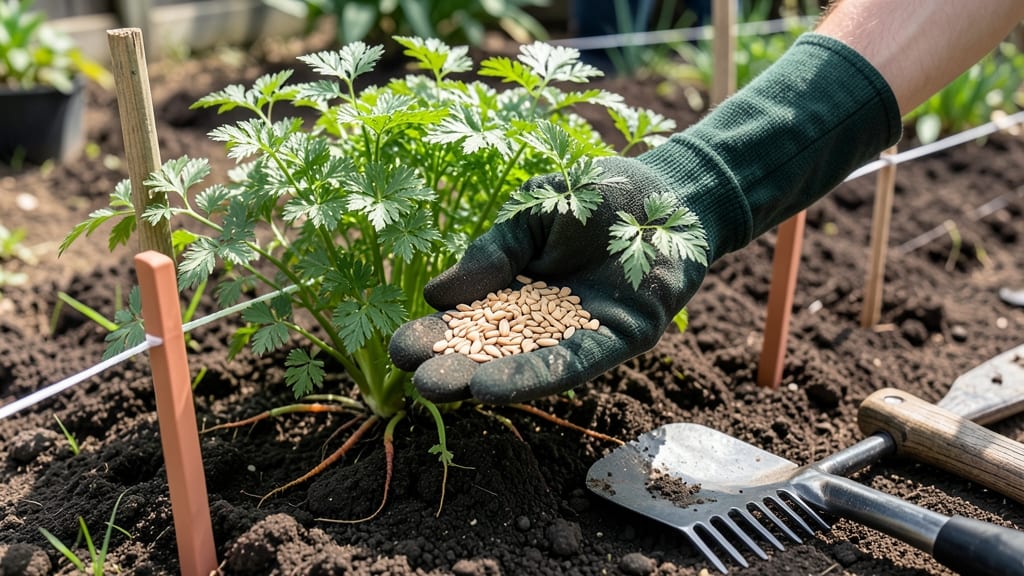
Planting carrots 🥕 at the wrong time in Kentucky can turn your garden into a bitter disappointment—bolting (flowering) ruins tender roots before they even reach harvest size.
The key to success lies in timing: too early, and frost zaps seedlings; too late, and summer heat sends them shooting up like weeds instead of growing down.
Kentucky’s USDA Zone 6a gives you two prime windows—early spring (March–May) and late summer (August–September)—where soil temps and daylight align perfectly for sweet, straight carrots. But here’s the catch: your last frost date (around April 15) and first frost (mid-October) dictate everything.
Miss these markers, and you’re gambling with your harvest.
I’ve tested these windows myself, and the difference between a 60-day harvest of crisp, flavorful carrots and a sad, woody mess comes down to one thing: planting at the right moment. Let me show you exactly when to drop those seeds for maximum success—no guesswork, just results.
Whether you’re a first-time gardener or a seasoned pro, these exact months (and a few pro tips) will help you avoid the most common mistakes. Ready to grow carrots that actually taste like carrots? Let’s get started.
Best planting months for carrots in Kentucky (with temperature guidelines)
Kentucky gardeners know timing is everything when growing carrots—especially in USDA zones 6-7, where unpredictable heat waves and early frosts can ruin your crop. The perfect planting windows are early spring (March-April) and late summer (August-September), when soil temps stay between 50°F and 85°F.
Plant too early, and cold soils cause slow germination; too late, and bolting (flowering) turns sweet roots to bitter strings.
Bolting is your worst enemy in Kentucky’s climate. Carrots bolt when exposed to consistent temps above 80°F or long daylight hours. That’s why heat-tolerant varieties like ‘Danvers Half Long’ or ‘Nantes’ are your best bets for summer planting.
Even then, you’ll need to shade young plants during July-August heat to delay bolting.
Here’s the key: Soil temperature matters more than air temperature. Use a soil thermometer to confirm 50°F+ for spring and below 85°F for summer planting. In Kentucky, that typically means March-April for spring and August-September for fall, aligning with the last frost (mid-April) and first frost (mid-October).
⚠️ CRITICAL: Avoid planting in May-June unless you use shade cloth and daily watering. The combination of heat and long daylight in late spring will trigger bolting within 3-4 weeks, ruining your crop before harvest.
For spring planting, aim for March 15–April 15 in Kentucky. Start seeds indoors 4–6 weeks before the last frost (mid-April) to get a 60-day head start.
Harden off seedlings for 7–10 days before transplanting to cool, moist soil. Use row covers if nights dip below 40°F to protect young plants.
If you’re summer planting, focus on August 1–September 15.
Choose short-day varieties like ‘Little Finger’ or ‘Short ‘n’ Sweet’ to minimize bolting. Mulch heavily with straw or grass clippings to keep soil temps stable and moisture high. Drip irrigation is a game-changer here—it delivers consistent water without wetting foliage, reducing fungal diseases like Alternaria leaf spot.
Pro tip: Test your soil before planting. Carrots need loose, rocky-free soil with a pH of 6.0–7.0. Amend heavy clay with compost or sand to prevent forked roots.
If your soil is too acidic, add lime 2–3 months before planting. Overly alkaline soil? Mix in peat moss.
Don’t forget succession planting for a continuous harvest. Sow new seeds every 2 weeks from March to July, then again in August-September. This ensures you’re always 60 days away from a fresh crop, avoiding the bolting trap of Kentucky’s summer heat.
With this strategy, you’ll enjoy sweet, crisp carrots from June through November.
Finally, harvest before frost. In Kentucky, that means pull carrots by mid-October before temps drop below 30°F. For winter storage, cure roots in cool, dark conditions for 1–2 weeks before storing in sand or sawdust at 32°F–40°F.
Now you’re ready to beat Kentucky’s climate and grow perfect carrots all season long! 🥕
How to extend your carrot season in Kentucky (succession planting guide)
Kentucky’s four distinct seasons and microclimates make it possible to harvest fresh carrots year-round with the right planting strategy. By staggering succession plantings, you can avoid bolting (premature flowering) and enjoy three to four harvests annually—from crisp spring roots to sweet fall storage carrots.
Key to success is leveraging Kentucky’s average last frost (mid-April) and first frost (mid-October), while also using row covers and shade cloth to protect tender seedlings. The trick is planting every 3-4 weeks during the growing season, choosing heat-tolerant varieties for summer and cold-hardy types for fall.
- Early Spring Planting: March 1–15 (soil temps 50°F+) for 60-day varieties like 'Nantes'—harvest by May 15.
- Late Spring Succession: April 1–15 for 50-day baby carrots—ready by June 1.
- Summer Heat Tolerant: July 1–15 with shade cloth for 75-day varieties like 'Danvers Half Long'—harvest by September 1.
- Fall Extension: August 15–30 for cold-hardy types (e.g., 'Chantenay')—harvest before first frost or mulch for winter.
For winter harvests, plant hardy varieties like 'Purple Haze' in late August and use straw mulch (12+ inches) to insulate roots. In USDA Zone 6a, this protects carrots until February when soil temps stay above 32°F.
Always thin seedlings to 2–3 inches apart to prevent competition and forking.
Microclimates play a huge role—elevated beds in low-lying areas warm up faster in spring, while north-facing slopes stay cooler for summer plantings. Test soil temps with a thermometer before planting; carrots need 60°F+ soil to germinate.
If your garden stays cooler than average, opt for earlier maturing varieties (e.g., 'Paris Market') to avoid fall frost.
To maximize space, interplant fast-growing radishes with carrots—the radishes mark rows and harvest in 30 days, leaving room for a second carrot crop. Always water deeply after sowing to encourage germination, and keep soil moist (but not soggy) to prevent woody roots.
A drip irrigation system on a timer works best for consistency.
With this succession planting schedule, you’ll enjoy fresh carrots from May through November, plus a bonus winter crop. The secret? Timing, variety selection, and protection—not just throwing seeds in the ground and hoping for the best.
Start with one test row this season to refine your local microclimate’s ideal windows!