
Companion Plants
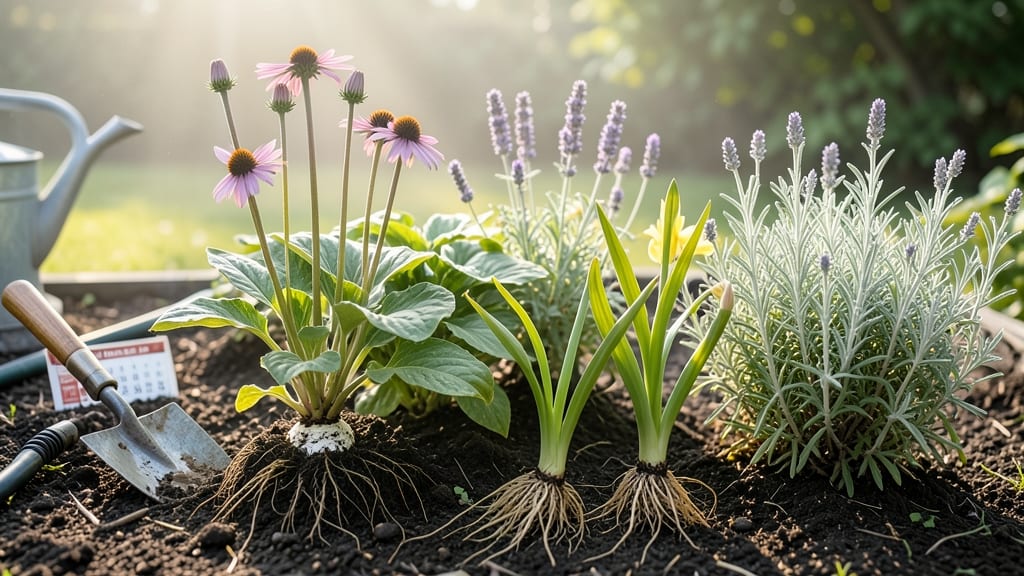
When can I plant perennials in Zone 5? Timing your perennials just right could mean the difference between a garden that thrives and one that barely survives. Plant too early, and frost will nip those delicate roots before they get a chance to establish. Too late, and your perennials might struggle to put down strong foundations before winter sets in.
I’ve learned the hard way that perennials like 🌱 lavender or coneflowers need that perfect window—after the last frost in spring or a few weeks before the first frost in fall.
The key is understanding how your plants grow and when your local climate gives them the best shot at success.
In this guide, I’ll walk you through the exact months to plant perennials in Zone 5, so you can avoid common mistakes and give your garden the strong, healthy start it deserves. Whether you’re a beginner or a seasoned gardener, these tips will help you time it right.
Ready to set your perennials up for a lifetime of blooms? Let’s dive into the best planting windows and what your plants really need to thrive.
Optimal planting months for perennials in Zone 5 by root type
In Zone 5, the timing of your perennial planting depends heavily on whether your plants have shallow roots or deep roots. Shallow-rooted perennials like lavender or salvia need quick establishment, while deep-rooted varieties like peony or black-eyed Susan can handle slower growth.
The key is planting when soil temperatures and daylight align with these needs.
For shallow-rooted perennials, aim to plant in early spring (March to early April) or late summer (August). These plants establish roots fast, but their top growth is frost-sensitive. Deep-rooted perennials, however, can tolerate fall planting (September to early October) because their roots have time to grow before winter dormancy.
Here’s a quick guide to help you decide based on root type and seasonal cues:
| Root Type | Best Planting Window | Soil Temp Requirement | Seasonal Cues |
|---|---|---|---|
| Shallow Roots (e.g., lavender, catmint) | Early Spring (March-April) or Late Summer (August) | 45-55°F | Soil thawed, no frost risk |
| Deep Roots (e.g., peony, coneflower) | Fall (September-October) or Early Spring (April) | 50-60°F | 4-6 weeks before first frost |
| Bulbous Roots (e.g., daylily, iris) | Early Spring (March) or Fall (September) | 50°F+ | Soil workable, no hard frost |
| Woody Stems (e.g., shrubs, trees) | Fall (September) or Bare-Root Spring (March) | 40-50°F | Dormant season, no active growth |
Spring planting in Zone 5 should start as soon as the ground is workable—typically late March to early April. For shallow-rooted perennials, this gives them 6-8 weeks of warm soil before summer heat sets in.
If you’re planting deep-rooted varieties, wait until mid-April when soil temperatures consistently stay above 50°F.
Fall planting is ideal for deep-rooted perennials because cooler temperatures reduce stress. Aim to plant 4-6 weeks before your first frost date (usually late September to early October in Zone 5). This allows roots to establish before winter dormancy, giving your plants a head start in spring.
One common mistake is planting tender perennials too early in spring. If frost is still a risk, wait until after your last average frost date (typically mid-May in Zone 5). Use row covers or mulch to protect young plants if needed.
For woody perennials like shrubs or small trees, fall is the best time to plant. Their deep taproots benefit from cooler soil, and they establish more easily before winter. If you must plant in spring, do so before buds swell to avoid transplant shock.
Always check your local frost dates—they can vary by 1-2 weeks even within Zone 5. Use a soil thermometer to confirm temperatures before planting. A well-timed planting schedule means stronger roots, healthier plants, and less maintenance for you.
Remember, root type isn’t the only factor—also consider your microclimate. South-facing beds warm up faster, while shady spots stay cooler. Adjust your planting timeline based on these conditions for the best results.
How to adjust planting timing for perennial varieties with specific needs
Not all perennials thrive with a one-size-fits-all planting schedule in Zone 5. Some varieties, like heat-sensitive perennials, need cooler soil temperatures, while woody plants and tender perennials require precise timing to avoid frost damage.
Understanding these nuances ensures your garden flourishes instead of flops. For example, peony roots prefer early spring planting, while hostas can handle fall planting—if done correctly.
Premature planting is a common mistake that leads to weak roots or even plant death. I’ve learned the hard way that rushing tender perennials like canna lilies too early in spring can result in frost damage before they establish.
The key is matching the plant’s dormancy cycle with your local frost dates. In Zone 5, this often means waiting until mid-May for heat-lovers or planting 4-6 weeks before first frost in fall for cold-hardy types.
- Heat-sensitive perennials (e.g., columbines, lungwort): Plant in early spring (March-April) when soil temps are 40-50°F. Avoid summer heat stress by finishing transplants before June 15.
- Bulbs (e.g., daffodils, tulips): Plant in fall (September-October) for spring blooms. Roots need 6-8 weeks to establish before frost. Never plant in spring—bulbs rot in warm soil.
- Woody plants (shrubs, trees): Plant in early spring or fall, but avoid drought stress. Water deeply 2x/week for first year. Bare-root varieties need soaking before planting.
- Tender perennials (e.g., lavender, salvia): Wait until after last frost (mid-May) and use row covers for early nights. Mulch heavily to protect roots from temperature swings.
- Fall-planted perennials: Choose cold-hardy types like sedum or asters. Plant 4-6 weeks before first frost (typically September 15-October 1) to allow root growth before dormancy.
For woody plants, like hydrangeas or butterfly bushes, timing matters because their root systems take longer to establish. I’ve found that planting in early spring (as soon as soil is workable) gives them a full growing season to strengthen before winter.
If you must plant in fall, choose container-grown specimens—they establish faster than bare-root types. Always water deeply after planting and mulch to retain moisture.
Bulbs are another category where timing is critical. Planting daffodils or tulips in fall ensures they’ll bloom next spring, but planting them in spring is a recipe for disappointment. The bulbs need cold stratification to break dormancy.
In Zone 5, aim for September-October planting—this gives roots time to grow before the ground freezes. A quick trick? Plant bulbs in layers (largest at the bottom) to save space and maximize blooms.
When adjusting for tender perennials, like rosemary or Russian sage, patience is key. These plants can’t handle frost, so wait until after your last frost date (usually mid-May in Zone 5) and monitor nighttime temperatures.
If frost is forecast, cover plants with frost cloth or move potted varieties indoors. I’ve lost entire plants by rushing them—don’t make that mistake!
Pro tip: Use microclimates to your advantage. A south-facing slope warms up faster in spring, allowing you to plant heat-lovers like lavender 2-3 weeks earlier. Conversely, low-lying areas stay cooler longer, perfect for shade-tolerant perennials like heuchera.
Observe your garden’s nuances and adjust planting dates accordingly. With these adjustments, your perennials will thrive year after year. 🌿