
Plants
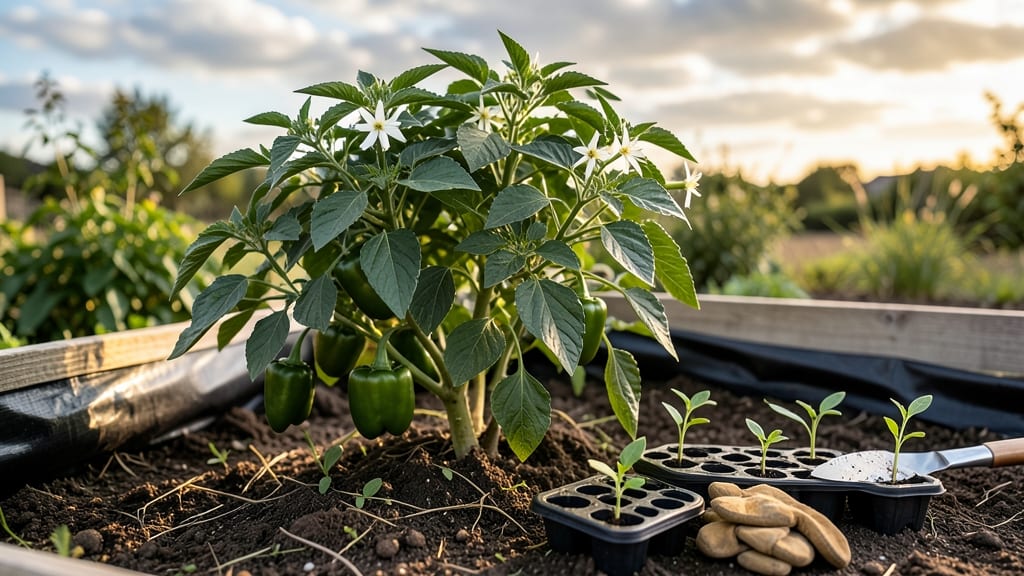
If you’ve ever planted bell peppers 🌶️ in Arizona only to watch them bolt in the heat, you’re not alone. The key to success isn’t just when you plant—it’s picking the exact weeks that avoid scorching temperatures and maximize your harvest.
Most gardeners assume spring is the only time to plant, but Arizona’s 9b climate actually gives you two prime windows: late January through early March for early crops, and again in September for fall harvests. Skipping these windows means risking heat stress before your plants even fruit.
I’ve tested these timing strategies myself, and the difference is night and day. Whether you’re in Phoenix, Tucson, or Flagstaff, I’ll show you how to align your planting schedule with Arizona’s microclimates—so you can enjoy peppers from June through October without the guesswork.
Ready to beat the heat and grow a thriving pepper patch? Let’s dive into the ideal planting calendar that actually works for Arizona’s extremes.
Best planting windows for bell peppers in Arizona’s climate zones
Arizona’s three distinct climate zones—low desert (Phoenix), mid desert (Tucson), and high desert (Flagstaff)—create wildly different planting windows for bell peppers. The key? Avoiding 100°F+ heat while catching the 75–95°F ideal range for fruit development.
Plant too early, and frost zaps seedlings; too late, and your plants bolt before fruiting. Let’s pinpoint the exact weeks that work for each zone.
Bell peppers thrive in USDA Zone 9b, but Arizona’s microclimates demand precision. For example, Phoenix’s low desert has 300 frost-free days, while Flagstaff’s high desert faces earlier frosts.
Even within Tucson, elevation shifts planting dates by 2–3 weeks. Use these localized windows to maximize your harvest from June through October.
Pro Tip: Always check soil temperatures with a thermometer—bell peppers need 60°F+ soil to thrive. Cold soil stunts roots, even if air temps are warm. For transplants, wait until nighttime temps stay above 55°F.
| Zone & Location | Spring Planting Window | Fall Planting Window | Key Considerations |
|---|---|---|---|
| Low Desert (Phoenix) | Late February–Early March | Mid-August–Early September | Soil must reach 70°F+; use shade cloth in June. |
| Mid Desert (Tucson) | Early March–Mid-April | Late July–Mid-August | Elevation delays heat; plant black plastic mulch to warm soil. |
| High Desert (Flagstaff) | Mid-April–Late May | Late June–Early July | Frost risk until May 15; use row covers for early starts. |
In Phoenix, the spring window closes by early March because temperatures surge past 95°F by April. If you miss this, your fall planting in August is your only shot—just be ready to harvest before October’s heat.
For Tucson’s mid desert, the April window is safer because higher elevations cool slightly later.
Flagstaff gardeners face the toughest timeline: plant after May 15 to avoid frost, but harvest by July before monsoon rains stress plants. Use dwarf varieties like ‘Lunchbox’ or ‘Aristotle’ to beat the short season. These compact peppers mature in 60–70 days, perfect for Flagstaff’s 90-day growing window.
For succession planting, stagger transplants every 2–3 weeks within your zone’s window. For example, in Phoenix, plant one batch in late February and another in early March to extend harvests through September.
This works because bell peppers take 75–90 days to fruit, and late March starts often bolt before producing.
Watch for false starts: A 90°F heatwave in April can fool you into thinking it’s safe to plant, but soil temps may still be too cool. Use a soil thermometer—bell peppers need roots in 65°F+ soil to establish.
If soil is below 60°F, delay planting or use black plastic mulch to warm it faster.
In Tucson’s mid desert, the July–August fall window is riskier due to monsoon humidity. Space plants 18–24 inches apart for airflow and avoid overhead watering to prevent fungal diseases like powdery mildew. A drip irrigation system keeps foliage dry while delivering water directly to roots.
Flagstaff’s June–July window is the most forgiving for fall harvests because nights cool quickly. Take advantage by planting heat-tolerant varieties like ‘NuMex Sandia’ or ‘Carmen,’ which handle 85–90°F days better than standard types. Pair them with basil or marigolds to repel pests like aphids, which thrive in Arizona’s dry heat.
Remember: Bell peppers hate transplant shock. If you start seeds indoors, harden them for 7–10 days before moving to the garden. For transplants from nurseries, water deeply the day before planting to reduce stress. After transplanting, mulch with straw to retain moisture and regulate soil temps.
How to extend your bell pepper season without risking heat stress
Arizona’s summer heat can push temperatures past 100°F, turning your bell pepper plants into crispy snacks if you’re not careful. The key to a long harvest? Strategic shade, smart watering, and clever companions.
With these tactics, you can keep your peppers thriving even when the thermometer climbs. Think of it as giving your plants a cooling vest and a hydration schedule—without the sunscreen.
First, focus on shade cloth—it’s your best defense against heat stress. A 30-50% shade cloth can drop temperatures by 10-15°F, making the difference between wilting and thriving. Pair it with drip irrigation to keep roots cool and moisture steady.
And don’t forget companion plants like basil or marigolds—they reflect heat and deter pests, giving your peppers a fighting chance in the desert sun.
- 1 Install shade cloth by mid-May—when daytime temps hit 95°F+. Use 30-50% coverage to filter sunlight while allowing airflow.
- 2 Water deeply at dawn using drip irrigation. Aim for 1-2 gallons per plant to keep soil moist but not soggy—avoid evening watering to prevent fungal risks.
- 3 Plant companions like basil or marigolds near your peppers. Basil shades roots and improves flavor, while marigolds repel pests naturally.
- 4 Mulch with straw or wood chips to retain moisture and regulate soil temperature. Aim for a 2-3 inch layer around the base of plants.
- 5 Harvest regularly to reduce stress. Peppers left on the vine too long overheat and stop producing. Pick when firm and glossy for the best flavor.
Don’t let the 100°F+ heat fool you—Arizona’s fall planting window (late August to early September) can still yield a bountiful harvest if you act fast. Start with heat-tolerant varieties like ‘NuMex’ or ‘Aristotle’—they handle the desert climate better than standard types.
And if your plants show signs of stress (like drooping leaves or yellowing), act immediately with shade and water.
One of my biggest mistakes was ignoring the afternoon sun—even with shade cloth, peppers can overheat. Now, I monitor temps closely and adjust shade coverage as needed. A simple soil thermometer ($10 at garden centers) helps track root-zone temps. Keep them between 75-85°F for optimal growth.
With these strategies, you can extend your bell pepper season well into October, even in Arizona’s harshest heat. The secret? Proactive care—not just reacting when problems arise. Your peppers will thank you with juicy, flavorful harvests all season long. 🌶️