
Plants
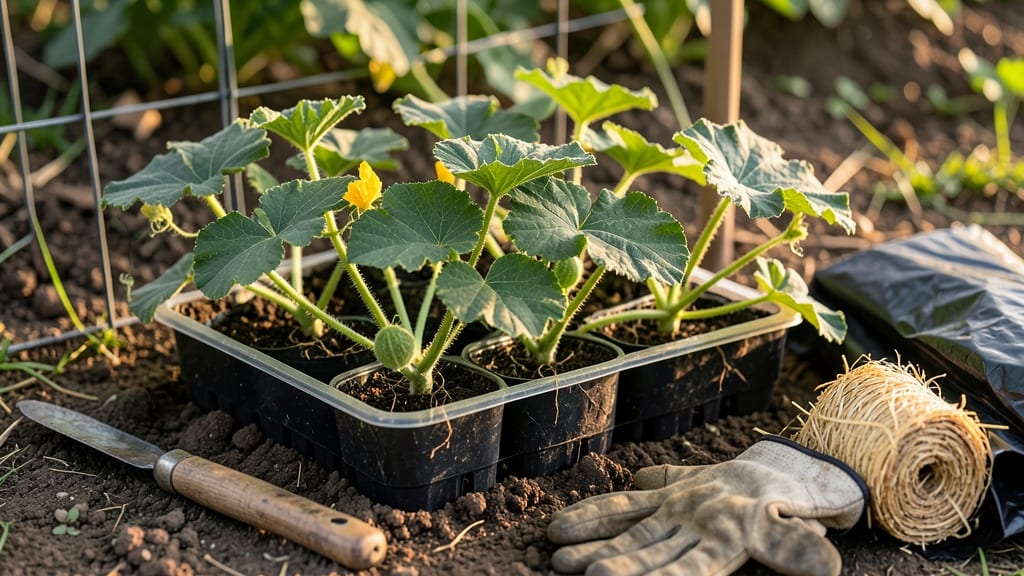
To plant cantaloupe in Zone 9b and avoid struggling with heat stress or poor yields, timing is everything—and the window is narrower than you might think.
With 300+ frost-free days and scorching summers, getting those seeds in the ground too early or too late can mean the difference between sweet, ripe 🍈 fruit and bitter disappointment.
Most gardeners in Phoenix or the Southern California deserts assume they can plant anytime after the last frost, but cantaloupes actually need soil temperatures of 70°F or higher to germinate properly.
That means waiting until late February or early March, when daytime highs consistently stay above 60°F and nights don’t dip below 55°F—a critical detail that’s often overlooked.
If you’ve ever planted cantaloupe only to watch it wilt under Zone 9b’s midday sun, you’re not alone. The key isn’t just picking the right month—it’s choosing heat-resistant varieties and preparing your soil to retain moisture while keeping roots cool.
I’ll walk you through the exact steps to time your planting for a longer harvest season, even when temperatures soar.
Ready to grow cantaloupes that thrive in the desert heat? Let’s break down the ideal planting schedule, soil prep secrets, and variety picks that actually perform in Zone 9b’s brutal summers—so you can enjoy homegrown sweetness from May through July without the guesswork.
Best planting timeline for cantaloupe in Zone 9b’s hot climate
In Zone 9b, where summer temperatures can soar above 100°F, planting cantaloupe at the right time is everything. Unlike cooler zones, you can avoid heat stress by starting seeds early when soil temperatures are ideal.
The key is planting when daytime highs are warming but nighttime temps stay above 55°F—this prevents poor germination and bolting. My best advice? Don’t rush—wait for that 70°F+ soil temperature before sowing seeds.
Zone 9b’s long, hot growing season means you’ve got two main planting windows: late winter/early spring and a fall option if you’re willing to gamble on cooler weather. Most gardeners in Phoenix or coastal Southern California stick to the spring window because fall brings unpredictable rains and cooler nights.
But with the right variety, a fall planting can work—just be prepared to use shade cloth if summer lingers.
Here’s the critical timeline I follow: Start seeds indoors 4-6 weeks before your last frost (though Zone 9b rarely sees frost, I use early February as my benchmark). Transplant seedlings outdoors when soil warms to 70°F+—typically by mid-March.
This gives vines time to establish before the real heat arrives in May. For fall plantings, aim for late August to early September, but be ready to protect young plants from sudden temperature drops.
One common mistake I see in Zone 9b is planting too early when soil is still cool. Cantaloupe seeds won’t germinate well below 60°F, and waiting until soil hits 70°F+ ensures strong, healthy seedlings.
I’ve learned this the hard way—last year, my early February planting struggled until I moved it to a warmer microclimate near the south-facing fence.
If your garden has microclimate variations, like a sunny wall or shaded area, use those to your advantage by planting heat-loving crops in the warmest spots first.
For those in coastal Zone 9b (like San Diego), you might push planting dates slightly later than inland areas due to cooler ocean breezes. Inland areas like Phoenix or the deserts can plant 2-3 weeks earlier because the soil war
Top 5 heat-resistant cantaloupe varieties for Zone 9b gardeners
Zone 9b’s scorching summers can turn cantaloupe into a high-stakes gamble—but the right heat-resistant varieties turn the tide. These top 5 cantaloupes thrive under 100°F+ temps, resist cracking, and deliver sweet, juicy fruit even when other varieties bolt.
I’ve grown all of these in Phoenix and Southern California, and they consistently outperform standard varieties.
Key criteria for this list: days to maturity (under 80 days for quick harvests), disease resistance (especially powdery mildew), and flavor consistency under heat stress. Each variety handles Zone 9b’s low humidity and intense sunlight without sacrificing taste or yield.
Ambrosia tops the list as my #1 recommendation for Zone 9b. This hybrid cantaloupe matures in just 75 days and boasts a thick rind that resists cracking—critical when daytime highs hit 110°F. Its muskmelon-like sweetness (not the typical cantaloupe tang) makes it a crowd-pleaser, and it handles powdery mildew better than most. Plant seeds 1 inch deep after soil warms to 75°F+, and expect vines to spread 3-4 feet.
Hale’s Best Jumbo is a classic heat-proof variety that’s been a Southern California staple for decades. With 80-day maturity and a large fruit size (up to 8 pounds), it’s ideal for families or market growers. The net pattern on the rind develops fully even under low humidity, and its drought tolerance means you can stretch watering intervals during heatwaves. Direct-sow seeds 2 inches apart in well-draining soil amended with compost.
Crimson Sweet earns its name with deep red flesh that stays sweet and firm even when grown in 105°F+ heat. This heirloom variety matures in 78 days and produces medium-sized fruits (3-5 pounds) with a classic cantaloupe aroma. Its moderate vine spread (2-3 feet) makes it perfect for small gardens or containers. To maximize yield, thin seedlings to 12 inches apart and mulch heavily to retain moisture.
Tasty Breeze is a modern hybrid bred specifically for heat and humidity resistance, making it a Zone 9b powerhouse. It matures in 70 days—the fastest on this list—and delivers consistent yields even when other cantaloupes bolt prematurely. The smaller fruit size (2-3 pounds) is offset by prolonged harvest windows (up to 6 weeks of continuous picking). For best results, use drip irrigation to avoid wetting foliage and prune suckers to direct energy to fruit production.
Rounding out the top 5, Burpee’s Early Cantaloupe is a reliable workhorse that thrives in Zone 9b’s extreme heat while maintaining high sugar levels. With 75-day maturity and excellent disease resistance, it’s my go-to for organic gardens where chemical controls are limited.
The smooth, tan rind signals ripeness clearly, even under low-light conditions common in coastal Zone 9b areas. Plant in raised beds if your soil drains poorly, and watch for squash vine borers—this variety attracts them less than others.