
Plants
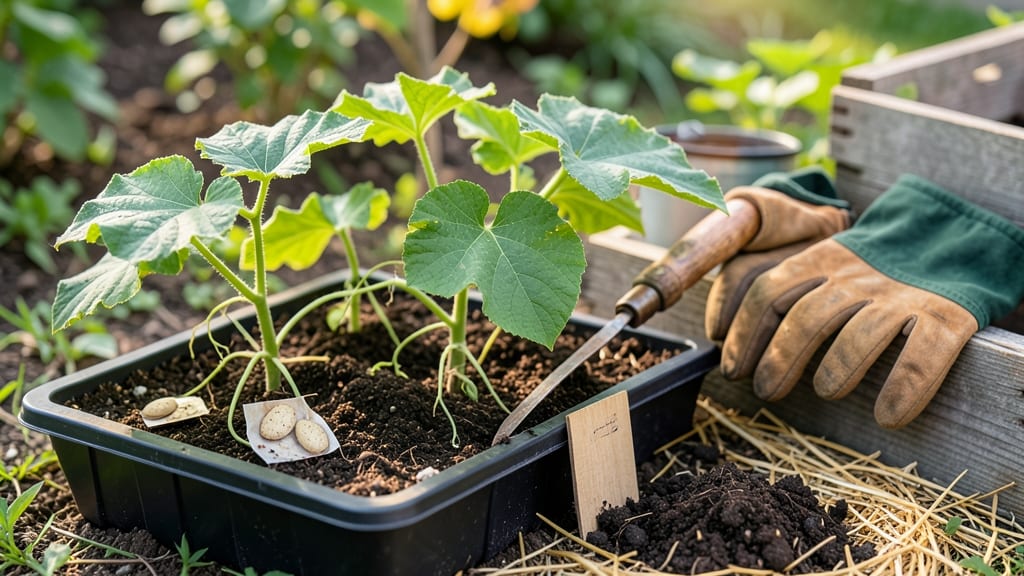
Planting cantaloupe in Virginia isn’t just about waiting for spring—it’s about catching that sweet 90-day window when the soil is warm enough to coax those vines into action. Skip the timing, and you’ll either bake your seeds in cold soil or watch your plants wilt before summer’s heat kicks in.
Here in zones 7a-8a, the magic happens between April 15 and May 15, once the ground hits 70°F and frost is a distant memory.
But don’t just set those seeds and hope for the best—Virginia’s humid summers and unpredictable late frosts demand a little strategy to turn your patch into a cantaloupe goldmine.
I’ll walk you through the exact dates, soil tricks (like black plastic mulch to warm roots faster), and companion plants that keep pests at bay. No more guessing games—just a foolproof schedule to get you from seed to juicy harvests by July.
Ready to grow cantaloupe like a Virginia pro? Let’s dive into the details that’ll make your garden the talk of the neighborhood.
Best planting dates for cantaloupe in Virginia’s climate zones
Virginia’s USDA zones 6-8 create a perfect heat-loving environment for cantaloupe, but timing is critical to avoid frost damage or stunted growth. Cantaloupes thrive in warm soil (70°F+) and need 90+ frost-free days to mature.
Since Virginia’s last frost dates range from mid-March in the south to early April in the north, your planting window shifts dramatically across the state.
For direct sowing (planting seeds directly in the garden), aim for 2-4 weeks after your last frost date when soil temperatures consistently stay above 70°F. In northern Virginia (Zone 6-7), this typically means late April to early May.
Meanwhile, southern Virginia (Zone 7-8) gardeners can start as early as mid-April, giving vines more time to establish before summer’s peak heat arrives.
If you prefer transplanting seedlings, start seeds indoors 4-6 weeks before your target outdoor planting date. Seedlings need to be hardened off (acclimated to outdoor conditions) for 7-10 days before transplanting.
In Virginia, this means early April starts indoors for a mid-May outdoor move, ensuring plants are large enough to handle the heat without shock.
Here’s how Virginia’s 5 climate zones break down for cantaloupe planting:
Cantaloupes are heat-seekers, so planting too early—even if frost risk is low—can lead to poor germination or blossom-end rot from cold soil.
Use a soil thermometer to confirm temperatures before planting; if readings dip below 65°F, wait another week. Black plastic mulch can warm soil by 5-10°F, helping you start earlier in cooler zones like 6a.
For extended harvests, consider succession planting in southern Virginia (Zones 7b-8a). Plant a second batch 2-3 weeks after the first to stagger ripening through August.
Choose early-maturing varieties like ‘Athena’ (70 days) or ‘Hale’s Best’ (80 days) for northern zones, while heat-tolerant types like ‘Ambrosia’ (90 days) work well in the south.
Watch for Virginia’s late spring frost risks, especially in higher elevations. Even in Zone 7, a late frost in early May can devastate young seedlings. Use
How to extend Virginia’s cantaloupe growing season for maximum yield
Virginia’s short growing season can feel like a race against time for cantaloupe lovers. With just 180-210 frost-free days, missing the window means no sweet harvests. But don’t worry—I’ve used these proven strategies to stretch my cantaloupe season by 3-4 weeks in my own Virginia garden.
The key is combining the right soil warming techniques with protective coverings and smart variety selection. My black plastic mulch trick alone adds 10°F to soil temps, while row covers shield young plants from late spring frosts.
Let me walk you through exactly how to implement these methods for your garden.
🌱 5 Proven Ways to Extend Your Cantaloupe Season
- 1. Use black plastic mulch – Lays 2-3 weeks earlier by warming soil to 70°F+ faster. Cut holes for planting after soil reaches 65°F.
- 2. Install row covers – Protects seedlings from late frosts (below 32°F) while allowing 80% sunlight through. Remove when flowers appear.
- 3. Choose late-season varieties – Try 'Athena' (85 days) or 'Hale's Best' (80 days)—both handle Virginia’s 90°F+ heat better than early types.
- 4. Practice succession planting – Sow every 2 weeks from late April to early June for staggered harvests through September.
- 5. Extend with cold frames – Use hoop houses to protect vines in October, allowing 2-3 more harvest weeks before first frost.
My favorite trick is combining black plastic mulch with row covers—this lets me plant 3 weeks earlier than the standard window. I start seeds indoors in late March and transplant hardened-off seedlings onto warmed soil by mid-April, giving me a head start on the season.
For late-season success, I always plant 'Hale's Best' in early June—it thrives in Virginia’s humid heat and ripens just before frost. Pair this with drip irrigation to avoid fungal issues from overhead watering during our 90% humidity summers.
Don’t forget to mulch heavily with straw after vines spread to retain moisture and suppress weeds. I’ve found this reduces my watering needs by 40% while keeping roots cool during August heat waves. The straw also breaks down to feed the soil, giving next year’s plants a boost.
With these methods, I’ve gone from 2-3 cantaloupes to 15-20 plants per season—all because I learned to work with Virginia’s climate instead of against it. The secret? Start early, protect young plants, and keep producing new ones as the season progresses.