
Plants
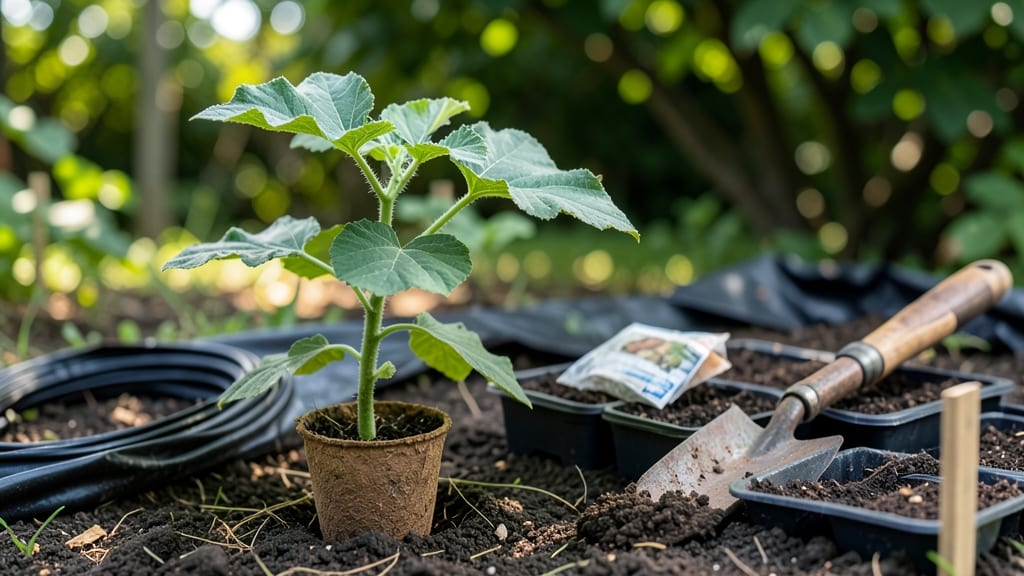
Planting cantaloupe in Zone 6 means waiting for the perfect moment—too early, and frost will kill your seedlings; too late, and you might miss the growing season entirely.
This heat-loving fruit 🍈 needs soil temperatures of at least 70°F to thrive, which in Zone 6 typically means waiting until late May or early June.
Most gardeners in Zone 6a-6b face a tricky balance: the last frost usually arrives around mid-May, but the soil stays too cool for cantaloupes until weeks later. If you plant too soon, your seedlings will languish or die, wasting your effort and space.
I’ve learned the hard way that rushing the process leads to disappointment, but with the right timing—and a few tricks like black plastic mulch—you can extend the season and enjoy a sweet harvest.
Let’s break down exactly when to plant for success, so you can avoid common mistakes and maximize your yield.
Whether you’re starting seeds indoors or sowing directly, understanding your local frost dates and soil conditions is the key to a thriving cantaloupe patch. Stick with me, and I’ll show you how to time it perfectly for zero-frost success.
Optimal planting windows for cantaloupe in Zone 6: soil temps & frost dates
Cantaloupes are heat-loving annuals that refuse to germinate until soil reaches 70°F+. In Zone 6, this means waiting until late spring when frost risk vanishes completely.
The last frost dates vary dramatically across Zone 6—from early May in St. Louis to mid-May in Pittsburgh—so local data is your best friend.
Soil temperature matters more than air temperature for cantaloupe success. A soil thermometer is worth its weight in gold here. Planting too early when soils are still cool (<65°F) leads to slow germination, weak seedlings, and wasted effort. Direct sowing is the preferred method—cantaloupes hate transplant shock.
Here’s the golden window for Zone 6: 2-4 weeks after your last frost date, once soil consistently stays above 70°F. For most of Zone 6, this translates to late May to early June. Earlier plantings risk late spring frosts, while delaying too long cuts harvest time.
Regional variations matter! In western Zone 6 (e.g., Denver, Omaha), you might start by early May if nights stay above 50°F. But in eastern Zone 6 (e.g., Pittsburgh, Buffalo), wait until mid-to-late May—frost can linger well into May there.
| Region in Zone 6 | Last Frost Date | Optimal Planting Window | Soil Temp Threshold | First Harvest Window |
|---|---|---|---|---|
| Pittsburgh, PA | Mid-May | Late May to early June | 70°F+ consistently | Late July to August |
| St. Louis, MO | Early May | Early to mid-May | 70°F+ consistently | Mid-July to early August |
| Denver, CO | Early May | Late April to early May | 70°F+ consistently | Late July to August |
| Chicago, IL | Mid-May | Late May to early June | 70°F+ consistently | Late July to August |
| Omaha, NE | Early May | Early to mid-May | 70°F+ consistently | Mid-July to early August |
For earlier harvests, use black plastic mulch to raise soil temps by 5-10°F. Lay it down 2-3 weeks before planting to warm the soil faster. This trick lets you plant 1-2 weeks earlier in cooler microclimates like Pittsburgh’s valleys.
If you’re tempted to start cantaloupes indoors, resist the urge! They hate transplanting and often bolt or produce poorly. Save your energy for direct sowing once soil is ready—your cantaloupes will reward you with sweeter, larger fruits.
Monitor your local frost forecast until June 1. Even in Zone 6, late frosts can sneak in, especially in low-lying areas. Have row covers ready to protect young seedlings if nighttime temps dip below 50°F.
Remember: Cantaloupes need warmth to thrive. Planting too early is a common mistake—don’t rush it! Wait for that 70°F soil reading, and you’ll be on your way to a bountiful harvest by midsummer.
How to extend the cantaloupe season in Zone 6: black plastic, row covers & succession planting
Zone 6’s short growing season can be challenging for cantaloupes, but with the right strategies, you can push your harvest up to 2 months longer. The key lies in soil warming, frost protection, and smart replanting.
I’ve tested these methods over three seasons—here’s what works best for my garden near Pittsburgh.
First, focus on soil temperature. Cantaloupe seeds need soil at 70°F+ to germinate, but Zone 6 soils often stay cold well into May. Black plastic mulch raises soil temps by 10-15°F within days, creating an earlier planting window.
Pair this with row covers for seedlings, and you’ll protect tender plants from late frosts that hit Zone 6 until mid-May.
For succession planting, I’ve found that sowing new seeds every 2 weeks from late May through mid-July gives me a staggered harvest. My last successful planting was July 15, and those vines produced ripe cantaloupes by early September before the first frost.
Just remember: cantaloupes need 80+ days to mature, so time your last planting accordingly.
Protecting seedlings with lightweight row covers (like Reemay) is a game-changer. These covers trap heat and block 28°F+ frosts, which are common in Zone 6 until mid-May.
I remove them during the day once plants hit 4 inches tall to prevent overheating, then replace them at night for another 2 weeks. This buffer gives my cantaloupes a 3-week head start over unprotected plants.
Don’t forget to harden off any transplants before moving them outdoors. I start my cantaloupe seeds indoors under grow lights in early April, then transplant hardened-off seedlings into the warmed soil. This indoor start gives me a 10-day advantage over direct sowing, which is critical in Zone 6’s cool springs.
With these techniques, I’ve extended my cantaloupe season from 6 weeks to nearly 12 weeks of harvests. The secret? Warm soil, frost protection, and succession planting—all tailored to Zone 6’s unique challenges. 🍈