
Plants
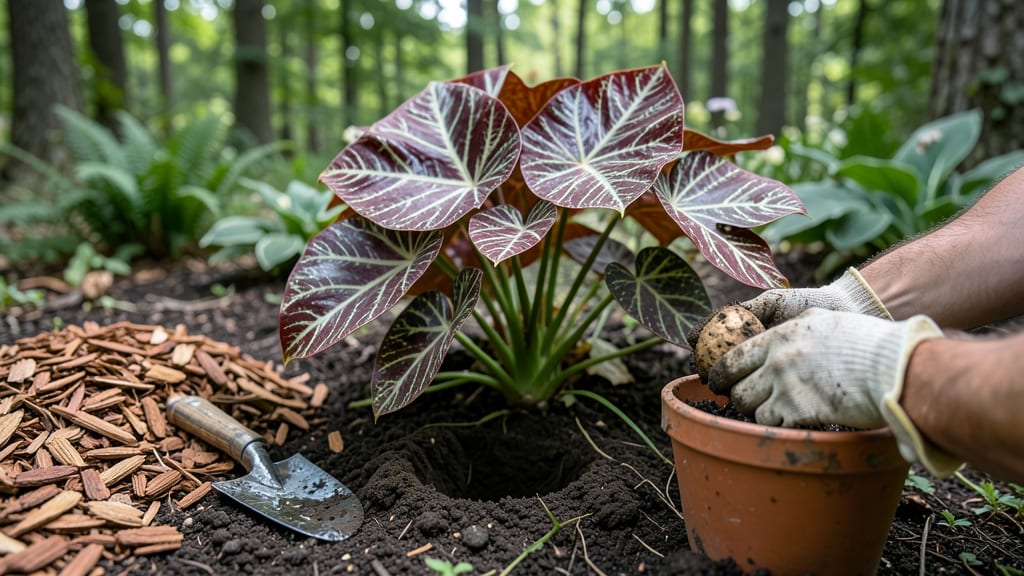
Planting caladium bulbs in Texas at the wrong time can leave you with sad, wilted leaves before summer even begins—so getting the timing right is everything for those showstopping, tropical-looking foliage plants 🌿.
The key isn't just waiting for spring; it's understanding how Texas's 8a-11 zones and unpredictable heat waves play into your success.
Most gardeners in North Texas wait until mid-March after the last frost, while those in South Texas can start as early as February. But here's the catch: rushing too soon means risking bulb rot in cooler soils, while waiting too long could leave you scrambling as summer heat arrives.
I'll show you exactly how to read your local cues—from soil temperature to weather forecasts—to lock in the perfect window for planting.
Beyond timing, we'll cover the 3 critical steps to prep your caladiums for Texas heat: soil warming, shade protection, and companion planting. Whether you're a first-time grower or a seasoned gardener, these tricks will help your caladiums thrive when others fade.
Ready to transform your shade garden into a lush, vibrant display? Let's dive into the exact months, methods, and must-know tips that'll have your caladiums looking their best all season long—without the guesswork.
Texas heat-zone planting calendar for caladium bulbs
Timing is critical when planting caladium bulbs in Texas, as these tropical beauties thrive in warmth but despise late frosts.
Unlike hardy perennials, caladiums need soil temperatures above 60°F to sprout reliably, making regional differences in Texas crucial. North Texas gardeners face cooler springs, while South Texas can plant earlier—sometimes as early as mid-February.
Let’s break down the exact windows for each zone to ensure your bulbs emerge vibrant and healthy.
Caladiums are often called "elephant ears" for their dramatic foliage, but their heat sensitivity means planting too early can spell disaster. The key is waiting until the last frost date has passed and soil has warmed sufficiently.
In Central Texas, this typically lands in mid-to-late March, while East Texas may align more closely with North Texas timelines. Always check your local USDA hardiness zone (8a-11) for precision.
Here’s the critical comparison for Texas regions, including soil temperature thresholds and ideal planting windows:
| Texas Region | Last Frost Date | Soil Temp Threshold | Ideal Planting Window | Key Notes |
|---|---|---|---|---|
| North Texas (Dallas/Fort Worth) | March 15 | 65°F+ | Late March to early April | Wait for consistent 65°F+ soil temps; cover bulbs if late frosts linger. |
| Central Texas (Austin/San Antonio) | March 1 | 60°F+ | Mid-to-late March | Soil warms faster; plant after St. Patrick’s Day for safety. |
| East Texas (Tyler/Longview) | March 10 | 62°F+ | Late February to early March | Humidity helps; mulch heavily to retain moisture. |
| South Texas (Houston/Corpus Christi) | February 15 | 60°F+ | Mid-February to early March | Early planting possible; protect from unpredictable cold snaps. |
| West Texas (El Paso/Midland) | March 30 | 70°F+ | Early to mid-April | Dry heat delays sprouting; water deeply after planting. |
For North Texas, the late March to early April window is non-negotiable. Soil temperatures below 65°F can stunt growth or cause rot, so use a soil thermometer to confirm readiness.
In Central Texas, where springs warm quickly, aim for mid-to-late March—this aligns with the average last frost date of March 1st. Pro tip: Plant after Easter for a safer bet.
In South Texas, the earlier window (mid-February) lets you enjoy summer foliage sooner, but beware of unpredictable cold snaps. Use row covers or plant in containers for flexibility. West Texas gardeners should wait until April due to its dry, hot climate, which can dry out bulbs prematurely.
Always prioritize soil moisture over speed—caladiums hate drying out.
If you’re unsure about your exact last frost date, consult the Texas A&M AgriLife Extension or local nurseries. They often provide heat-zone maps tailored to microclimates.
For example, Hill Country areas may frost later than nearby cities due to elevation differences. Container gardening is another great option for late planners—just move pots indoors if frost threatens.
Once planted, mulch heavily with 2-3 inches of organic mulch (like shredded bark) to regulate soil temperature and retain moisture. This is especially critical in South Texas’s intense heat, where mulch can reduce soil temps by 10°F+. Avoid direct sunlight for the first 2-3 weeks
How to prepare caladium bulbs for Texas heat before planting
Texas summers can be brutal for caladium bulbs, but with the right preparation, you can ensure those stunning tropical leaves thrive in your garden. The key lies in pre-soaking and chitting bulbs before planting, along with creating ideal soil conditions to help them establish strong roots before the heat peaks.
Start by selecting healthy caladium bulbs with firm, plump tubers—avoid any that feel soft or shriveled. These bulbs need a head start to survive Texas’s 100°F+ temperatures, so don’t skip the pre-planting steps. Let’s dive into the techniques that’ll give your caladiums the best chance to flourish.
⚠️ Critical Texas Planting Mistake: Planting Too Early
Never plant caladium bulbs in Texas before the soil reaches 65°F. Early planting leads to root rot or stunted growth when sudden heat arrives. Use a soil thermometer to confirm—wait until March-April in North Texas and February-March in South Texas.
First, soak your caladium bulbs in lukewarm water for 24 hours. This hydrates the tubers and jumpstarts root growth. After soaking, let them dry slightly to prevent rot—think of it like giving them a pre-planting drink without drowning them.
Next, practice chitting, a process where you encourage early root growth. Place your soaked bulbs in a tray of moist peat moss or vermiculite, keeping them in a warm, shaded spot (around 70°F).
Within 2-3 weeks, you’ll see tiny roots emerging—this means they’re ready for the Texas heat!
Prepare your soil by amending it with organic matter, like compost or well-rotted manure, to improve drainage and moisture retention. Caladiums hate soggy roots, so avoid heavy clay soils. A mulch layer of 2-3 inches will also help retain moisture and protect bulbs from extreme temperatures.
Finally, plant your prepped bulbs in partial shade, where they’ll get morning sun but avoid the harsh afternoon heat. Water deeply after planting, and keep the soil consistently moist—never let it dry out completely.
With these steps, your caladiums will burst into vibrant foliage just in time for summer’s peak!