
Plants
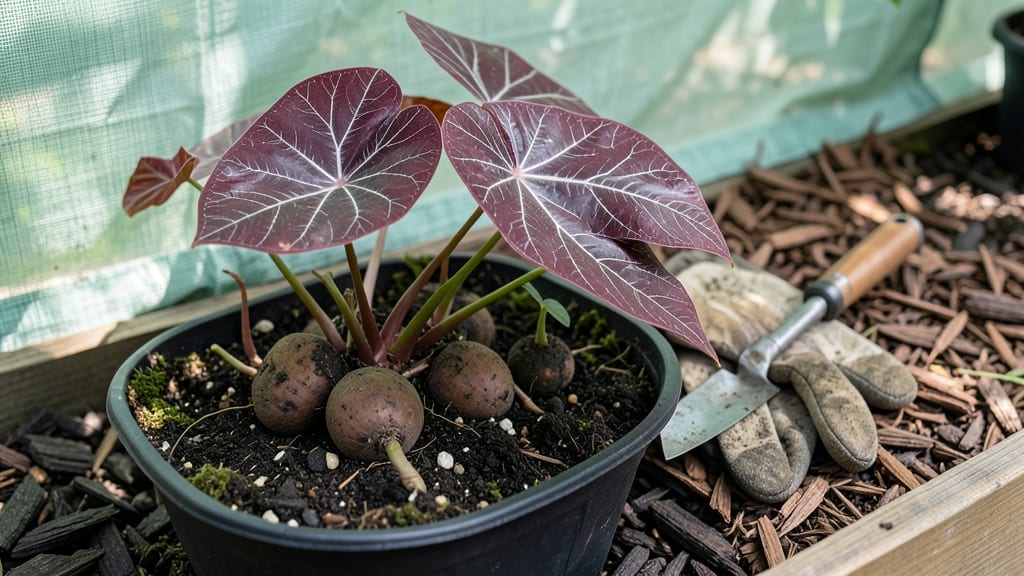
Florida’s ideal caladium planting calendar: month-by-month heat zone guide
Florida’s caladium bulbs thrive in the Sunshine State’s humid heat, but their planting schedule depends heavily on your USDA heat zone. Unlike northern climates, Florida gardeners don’t need to worry about frost, but soil temperature and rainfall patterns still dictate the perfect window.
In heat zones 8A-10A, timing your planting ensures vibrant foliage all season long without the stress of premature wilting or pest invasions.
Most gardeners focus on spring planting (March-April), but Florida’s fall planting (September-October) can also yield stunning results if done correctly. The key is understanding how your specific heat zone affects soil warming and moisture retention.
For example, zone 8A gardeners in northern Florida face cooler soils longer than those in zone 10A near Miami, where planting can start as early as February.
Before diving into dates, let’s address the biggest mistake Florida gardeners make: planting too early. Cool soil temperatures below 65°F cause rot-prone conditions and slow growth.
Even in zone 10A, waiting until soil warms ensures robust root development. Here’s your heat zone breakdown for planting windows, soil prep, and critical care tips.
| Heat Zone | Spring Planting Window | Fall Planting Window | Soil Prep Tip | Critical Care Alert |
|---|---|---|---|---|
| 8A (North FL) | Mid-April to early May | Late September to mid-October | Amend with compost + perlite for drainage | Watch for slugs in humid springs |
| 9A (Central FL) | Late March to April | Early September to October | Add mulch to retain moisture | Thin crowded tubers to prevent rot |
| 9B (Central-East FL) | Early March to April | Mid-August to September | Test pH (6.0-7.0) before planting | Stagger planting dates for extended blooms |
| 10A (South FL) | February to March | July to August | Use raised beds for poor drainage | Monitor for spider mites in dry heat |
In zone 8A, where cooler nights linger, aim for mid-April planting to avoid soil-borne diseases that thrive in damp, chilly conditions. The last frost date isn’t your guide here—soil temperature is. Use a soil thermometer to confirm 65°F+ before planting.
For zone 10A gardeners, February planting is ideal, but protect young tubers from unpredictable cold snaps with frost cloth if temperatures dip below 50°F.
Fall planting offers a second chance for extended color, but timing is critical. In zone 9A, wait until early September to give tubers time to establish roots before summer’s intense heat returns.
A common mistake is planting too late—by October, new growth may struggle to harden off before winter’s dry spells. Always plant 6-8 weeks before first frost (though Florida’s frost is rare, microclimates can still cause stress).
Soil preparation makes or breaks your caladium success. Florida’s clay-heavy soils need organic matter to improve drainage. Mix in 2-3 inches of compost or aged manure, and top with 1 inch of mulch to retain moisture.
Avoid fresh manure, which can burn tender roots. For container gardening, use a well-draining potting mix with 20% perlite to prevent root rot, a common issue in Florida’s humid summers.
One pro tip for Florida gardeners: stagger your planting by 2-3 weeks for a continuous display. Plant 1/3 of your tubers in the primary window, then add another 1/3 two weeks later, and the final batch 3 weeks after.
This ensures blooms don’t all fade at once and extends your visual interest through the season. Pair this with partial shade (3-6 hours of morning sun) to prevent leaf scorch in zone 10A’s intense sun.
Pest control is another Florida-specific challenge. Slugs and snails love tender caladium leaves, while spider mites thrive in dry heat. Prevent issues by watering at soil level (not overhead) and using organic slug bait in humid zones. For <
How to extend your caladium season: frost-free tricks for Florida gardeners
Florida gardeners know caladiums thrive in our heat, but with the right tricks, you can push their vibrant foliage into nearly every season. The key lies in microclimate adjustments and strategic planting—no frost required.
Urban yards with concrete heat islands and rural spots with cooler nighttime temps both offer unique opportunities to extend your caladium display.
Start by understanding your yard’s microclimates. Urban areas often trap heat, while rural spaces may cool faster at night. This means staggered planting can create a cascading bloom effect, ensuring color from spring through fall.
For example, plant a batch in mid-February for early blooms, then repeat in late April for summer-long enjoyment.
Here’s how to maximize your caladium season without frost damage:
- Use black landscape fabric to warm soil faster in cooler months.
- Plant in elevated beds for better drainage and warmer roots.
- Add mulch (3-4 inches) to insulate roots during cooler nights.
- Choose shade-tolerant varieties like ‘White Queen’ for urban heat.
- Water deeply in evening hours to reduce heat stress.
For urban gardeners, container gardening is a game-changer. Use glazed pots to retain heat and move containers closer to buildings or fences during cooler spells. Rural gardeners can leverage natural windbreaks like hedges or fences to create warmer pockets for caladiums.
Test your soil temperature—aim for at least 65°F before planting, even in cooler months.
Don’t forget to rotate varieties for continuous color. Mix fast-growing types like ‘Florida Sweetheart’ with slower varieties like ‘Candidum’ to ensure a non-stop show. Prune spent foliage in late fall to redirect energy to new growth, and store tubers in sphagnum moss for winter if you’re ambitious about year-round displays.
With these tricks, your caladiums can shine from early spring through late fall, proving that Florida’s mild winters don’t have to mean wilted dreams. Just remember: warm soil, smart spacing, and shade management are your secret weapons for extending the season without frost worries. 🌿