
Companion Plants
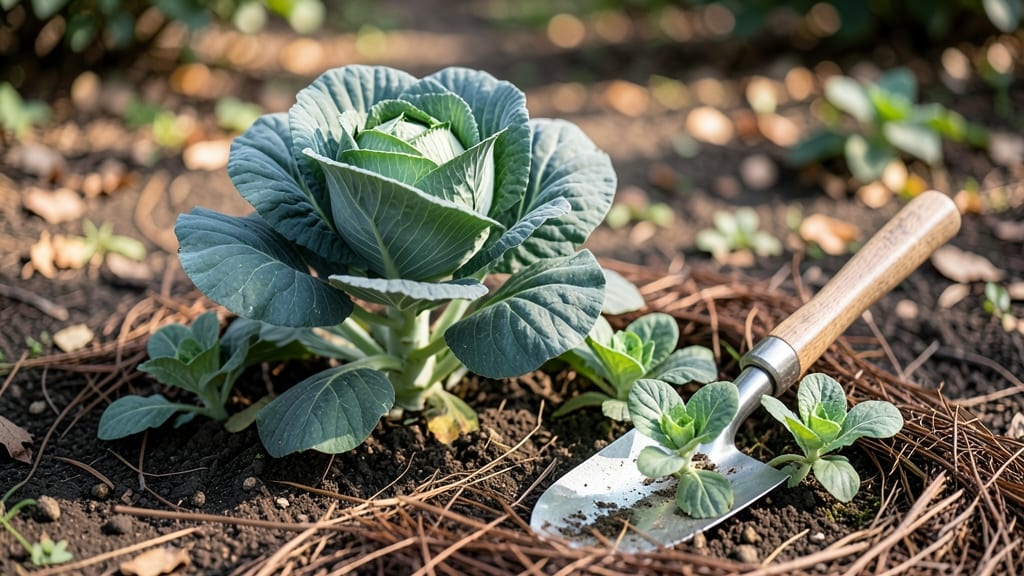
Planting cabbage in Pennsylvania at the wrong time can turn your garden dreams into bitter disappointment—literally. The key to growing sweet, crisp 🥬 heads lies in timing that avoids the dreaded bolting (when cabbage flowers prematurely).
With Pennsylvania’s unpredictable swings between frost and heat, knowing when to plant cabbage isn’t just helpful—it’s essential. Whether you’re in the cooler mountains or warmer valleys, the right schedule ensures you’ll harvest flavorful heads in June and October instead of tough, flowering stalks.
I’ve grown cabbage in PA for years, and the difference between a perfect crop and a failed one often comes down to just a few weeks of planting.
Let me show you the exact windows for spring and fall planting that work in USDA Zone 6a, plus how to stretch your season with simple tricks.
From avoiding early frost to beating the summer heat, you’ll discover how to time your cabbage planting for maximum success—no guesswork required. Ready to master the art of PA cabbage growing?
Best cabbage planting months in PA by season (avoid bolting!)
Pennsylvania’s variable climate makes timing critical for growing cabbage—plant too early, and you risk premature bolting from cold snaps. Plant too late, and summer heat triggers the same bitter fate. The key? Staggered plantings in spring and fall, tailored to your USDA Zone (5-7).
In Zone 6a (central PA), aim for March-April and August-September windows to align with soil temperatures and daylight changes.
Cabbage thrives when soil stays 50-85°F, but heat waves above 80°F send it into bolting mode. Southern PA (Zone 7) can push spring plantings slightly later, while northern PA (Zone 5) needs earlier starts.
The secret? Heat-tolerant varieties like ‘Golden Acre’ for summer and cold-hardy ‘Wisconsin Winter’ for fall. Even with perfect timing, frost protection (row covers, cloches) extends your season by 2-3 weeks in both directions.
Here’s your PA-specific planting schedule, broken down by season with frost dates and variety recommendations to avoid bolting:
For spring plantings, start seeds indoors 6-8 weeks before your last frost date (typically March 15 for most of PA). Harden off seedlings for 7-10 days before transplanting after soil warms to 50°F.
In Zone 5, use black plastic mulch to warm soil faster—this can shave 2 weeks off your planting timeline. Pair cabbage with dill or onions to deter pests like cabbage moths, which thrive in PA’s humid summers.
Summer plantings are riskier but possible with shade cloth (30-50%) to keep soil temps below 80°F. Choose loose-leaf varieties like ‘Cavalo’ for quicker harvests. Water deeply twice weekly to prevent stress, and harvest outer leaves first to extend the plant’s life.
In southern PA (Zone 7), you can sometimes squeeze in a late-summer planting by mid-July, but monitor temperatures closely—heat waves trigger bolting within 3 days.
Fall is your golden window for cabbage in PA, offering sweeter, firmer heads than spring. Plant 10-12 weeks before your first frost (aim for September 15 in most areas). Use row covers to protect young plants from early October frosts, which can cause black rot.
In northern PA (Zone 5), opt for ‘Wisconsin Winter’, which handles 20°F temps with minimal damage. Mulch with straw 4 inches deep to insulate roots and retain moisture.
Bolting is cabbage’s way of saying, “I’m stressed!”—usually from heat, drought, or uneven watering. To prevent it, mulch heavily to keep soil temps stable, and avoid nitrogen-heavy fertilizers in summer. Instead, side-dress with compost
How to extend your cabbage growing season in PA (cold frames & succession planting)
Pennsylvania’s short growing season can feel like a race against time for cabbage lovers. But with the right techniques, you can grow cabbage in early spring and late fall—giving you a year-round harvest.
The key lies in cold frames, row covers, and succession planting to protect tender plants from unpredictable frosts and heat spikes.
I’ve learned the hard way that planting cabbage too early or too late often leads to bolting or stunted growth. By extending your season strategically, you’ll avoid these pitfalls and enjoy fresh cabbage from May through November.
Let’s break down the best ways to keep your cabbage thriving beyond the traditional planting windows.
Step List: Extend Your Cabbage Season in PA
- 1 Start with cold frames for early spring planting. Place transplants under cold frames by March 15 to protect them from late frosts. Use clear plastic or glass to trap heat while allowing light.
- 2 Use row covers for late fall planting. Cover seedlings planted in August with floating row covers to extend the season until the first frost. Remove covers during the day to prevent overheating.
- 3 Plant in succession every 2-3 weeks from March to September. Staggered planting ensures a continuous supply of fresh cabbage. For example, plant one batch in late March, another in mid-April, and a final batch in early August.
- 4 Choose cold-hardy varieties like ‘Wisconsin Winter’ or ‘January King’ for fall planting. These varieties tolerate cooler temperatures and are less likely to bolt when exposed to early frosts.
- 5 Monitor soil temperatures with a soil thermometer. Cabbage seeds need soil temps of 40-50°F for germination. In early spring, use a black plastic mulch to warm the soil faster.
One of my biggest successes was using a DIY cold frame made from an old window frame and plywood. I planted ‘Golden Acre’ cabbage under it in early March, and by May, I had a full head ready for harvest—weeks ahead of my neighbors!
The cold frame also shielded the plants from late spring frosts, which are common in PA.
For late fall, I’ve found that row covers are a game-changer. By covering seedlings planted in August, I’ve extended my harvest into November. Just remember to secure the covers tightly to prevent pests like cabbage moths from sneaking in.
A sturdy hoop house with a removable cover works even better for larger gardens.
Don’t forget to rotate crops to prevent soil-borne diseases. After harvesting cabbage, plant beans or peas in the same spot to replenish nitrogen in the soil. This practice keeps your garden healthy and productive year after year.
With these techniques, you’ll turn PA’s short growing season into a long harvest window. Soon, you’ll be enjoying homegrown cabbage from spring through fall—no bitter bolts in sight! 🥬