
Plants
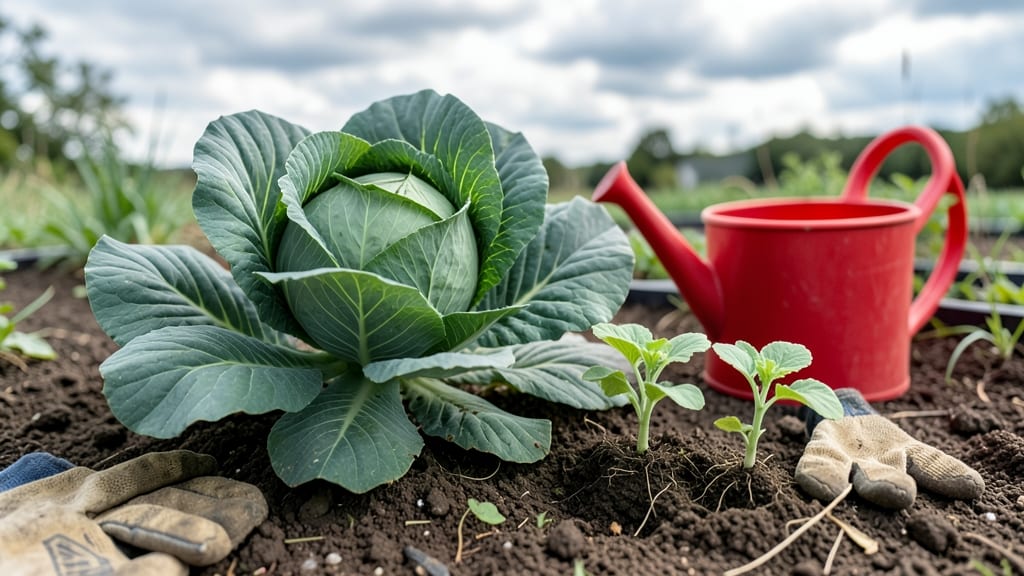
Planting cabbage in California at the wrong time can turn your 🌱 dreams into a bitter disappointment—especially when heat triggers bolting before you even get a harvest.
The key to avoiding this is knowing your microclimate, because what works in cool coastal Santa Cruz won't cut it in the Central Valley's furnace-like springs.
I've seen gardeners in USDA Zones 7-10 struggle with this exact problem, and the solution isn't just about "spring planting"—it's about precision timing that accounts for your specific region's frost dates and heat spikes.
Whether you're in the foggy coast or the baking desert, getting this right means the difference between crisp, flavorful heads and sad, flowering stalks.
What most guides won't tell you is how to adjust for California's wild variations—like planting 6-8 weeks before your first frost in the north versus waiting until late winter in Southern California's Zone 10.
I'll break down the exact windows that actually work, plus pro tips for transplants versus seeds that save you from common mistakes.
Ready to grow cabbage that stays sweet and sturdy? Let's dive into the microclimate-specific deadlines that'll have you harvesting all season long—without the bolting disasters.
California cabbage planting zones: coastal vs. valley vs. desert timing
California’s diverse microclimates create unique challenges for growing cabbage. The coastal regions stay cooler longer, while the Central Valley heats up fast, and desert areas face extreme heat. These differences mean your planting window must shift dramatically depending on where you live.
Getting it wrong can trigger bolting—when cabbage prematurely flowers and becomes bitter. Let’s break down the exact timing for each zone to ensure your cabbage thrives.
First, understand that cabbage prefers cool temperatures between 60°F and 70°F for optimal growth. When temperatures exceed 75°F, most varieties will bolt. Coastal areas like San Francisco and Santa Barbara can plant earlier, while inland Sacramento and Bakersfield must wait until spring cools down.
Desert regions like Palm Springs have the shortest windows, often limited to fall planting only. Each zone also faces different frost risks, which can damage young plants if not timed correctly.
USDA zone adjustments further complicate timing. For example, high-altitude areas like the Sierra foothills (USDA Zone 7) can plant 4-6 weeks earlier than low desert areas (USDA Zone 10). Always check your local last frost date and adjust accordingly. Coastal areas typically see frost as late as February or March, while inland valleys might experience frost until April. Desert regions rarely see frost, making fall planting the only viable option for summer heat.
For coastal California, your planting window is the most flexible. You can start seeds indoors in late August for a fall crop or direct-sow in February for spring. The cooler ocean breezes delay heat stress, giving you a longer growing season.
Use shade cloth if temperatures creep above 70°F to prevent bolting. Varieties like Golden Acre are ideal—they mature quickly and handle mild coastal heat better than others.
In the Central Valley, timing is critical. Plant seeds in September for a fall harvest before winter rains arrive, or wait until March for spring. The valley’s intense heat means you’ll need to mulch heavily and provide afternoon shade to protect young plants.
Choose heat-tolerant varieties like Early Jersey Wakefield, which can handle slightly warmer soils. Avoid planting in May or June—your cabbage will bolt within weeks.
The desert regions of California are the most challenging for cabbage. With summer temperatures often exceeding 100°F, your only viable option is a fall planting starting in September. Use drip irrigation to keep soil consistently moist and provide full shade cloth during the hottest hours.
Varieties like Tendergreen are your best bet—they’re bred to tolerate warmer conditions but still require cool nights to thrive. Expect a shorter growing season here, with harvests wrapping up by December.
If you’re in a high-altitude area like the Sierra foothills, you can plant earlier in spring and later in fall than lowland regions. These areas (typically USDA Zone 7) experience later frosts and cooler summers. Start seeds indoors in April
How to extend your cabbage season: succession planting strategies for California
California’s diverse microclimates make succession planting your secret weapon for continuous cabbage harvests. By staggering plantings every 2-3 weeks, you can enjoy fresh heads from late spring through winter. The key? Matching varieties to your region’s temperature extremes and adjusting care as seasons shift.
For coastal areas like San Francisco, focus on cold-hardy varieties like ‘Red Express’ or ‘Golden Acre’, which thrive in 50-65°F soil. Inland valleys such as the Central Valley need heat-tolerant types like ‘Cavalo’ (savoy cabbage) planted in early fall to avoid bolting.
Desert regions? Stick to shade-tolerant varieties and plant in late summer for fall harvests.
- 1 Spring Planting (Coastal): Start seeds indoors in February or transplant March-April when soil reaches 55°F. Use shade cloth if temps exceed 75°F.
- 2 Summer Planting (Valley): Sow seeds July-August for fall harvests. Choose quick-maturing varieties (55-65 days) to avoid heat stress. Water deeply twice daily to prevent bolting.
- 3 Fall Planting (All Regions): Transplant August-September for winter harvests. Mulch heavily with straw to protect roots from freeze-thaw cycles. Fertilize with compost tea every 3 weeks.
- 4 Winter Planting (Coastal Only): Direct-sow October-November for spring harvests. Use row covers to shield from chilly winds. Harvest before bolting (flower stalk emergence) by cutting heads at base.
Soil prep is non-negotiable for succession success. Test your soil’s pH (6.5-7.0) and amend with compost or aged manure to improve drainage. Raised beds work wonders in heavy clay soils, while container growing extends options for urban gardeners.
Space plants 12-18 inches apart to allow airflow and reduce disease risk.
Adjust your irrigation schedule based on season: drip irrigation keeps roots consistently moist without wetting leaves (which causes fungal diseases). In summer months, water early morning to prevent evaporation, while winter watering can be reduced by 30% as rainfall increases.
Always check soil moisture 1 inch below surface—if dry, it’s time to water.
Pro tip: Keep a planting calendar with deadlines for each microclimate. For example, San Diego’s coastal zone can plant every 3 weeks from February to November, while Bakersfield’s desert climate limits planting to August-September only. Rotate crops annually to prevent soil-borne diseases like clubroot, which thrives in cabbage-heavy soils.
With these strategies, you’ll enjoy homegrown cabbage for 8+ months—far longer than the 2-3 months most gardeners achieve. Start small with one variety per season, then expand as you master the timing. Your taste buds (and dinner table) will thank you! 🌱