
Plants
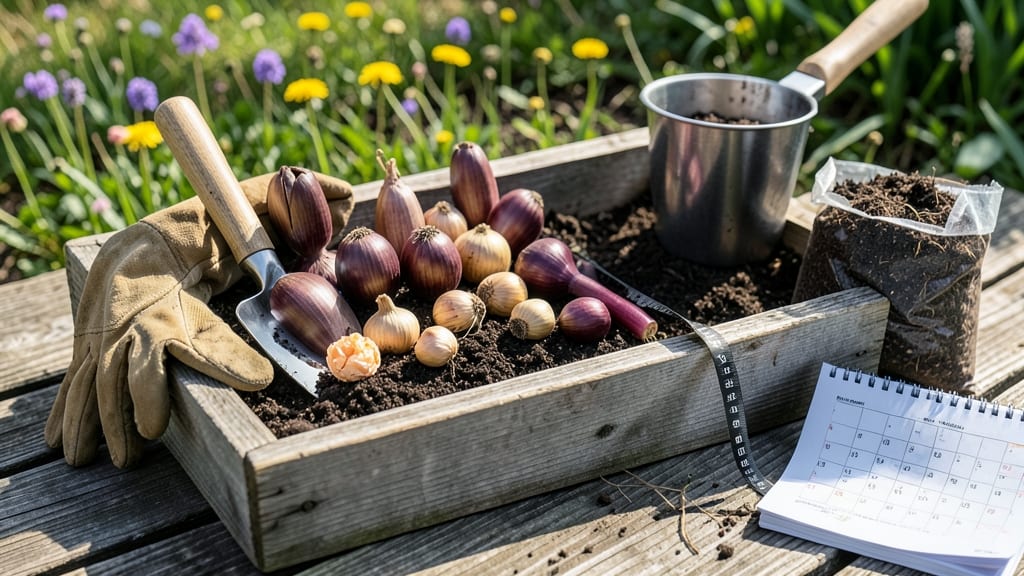
Planting Spring Bulbs 🌷 in Zone 6a at the wrong time can mean the difference between a showstopping spring display and a total flop. The key to success lies in understanding your local frost dates and soil conditions—because bulbs need time to root before winter sets in.
Most gardeners in Zone 6a make the mistake of waiting too long, thinking cooler weather is safer. But the truth is, you should plant these beauties 6-8 weeks before the ground freezes, typically between mid-October and November.
This gives your bulbs just enough time to establish roots before winter dormancy kicks in.
Why does timing matter so much? Because bulbs like tulips and daffodils need stable soil temperatures and consistent moisture to grow strong roots. Plant too early, and frost might damage emerging shoots; too late, and they won’t have the energy to bloom next spring.
In this guide, I’ll break down the exact months for planting different types of bulbs, plus how to adjust for unpredictable Zone 6a weather. Let’s get those Spring Bulbs 🌷 off to the best possible start!
Best months to plant spring-blooming bulbs in Zone 6A
Planting spring-blooming bulbs in Zone 6A requires precise timing to ensure they establish roots before winter. Most bulbs—like tulips, daffodils, and hyacinths—need to be planted in fall, typically between October and November.
This window allows roots to grow while the bulbs remain dormant through winter, ready to burst into bloom by spring.
The key is planting 6-8 weeks before the ground freezes, usually around mid-October in most of Zone 6A. For example, in Chicago or Pittsburgh, aim for early October, while areas like Raleigh or St. Louis can wait until late October.
Soil temperatures should ideally be between 40°F and 60°F for optimal root development.
If you miss the ideal window, you can plant as late as December, but this increases frost risk and reduces bloom quality. Early planting in September is also possible in warmer microclimates, but bulbs may sprout too soon and get damaged by early frosts.
Always check your local last frost date—Zone 6A typically sees its final frost around mid-November.
| Bulb Type | Ideal Planting Month | Soil Temp (°F) | Depth (inches) | Frost Risk | Notes |
|---|---|---|---|---|---|
| Tulips | October | 40-60°F | 6-8 | Moderate | Plant early for best blooms |
| Daffodils | October-November | 45-55°F | 6-8 | Low | More frost-tolerant |
| Hyacinths | October | 50-60°F | 6-8 | Moderate | Needs well-draining soil |
| Crocuses | September-October | 40-50°F | 3-4 | Low | Early bloomers |
| Alliums | October-November | 45-55°F | 6-8 | Low | Drought-tolerant |
For tulips, aim for early October to give them enough time to root before winter. These bulbs are less frost-hardy than daffodils, which can handle colder soils and even light frosts.
If you’re planting hyacinths, focus on October—these bulbs thrive in slightly warmer soil but still need to establish roots before the ground freezes.
Depth matters too! Plant bulbs at a depth equal to 3x their diameter. For example, a 2-inch tulip bulb should go 6 inches deep. Use a bulb planter or your finger to mark the depth—this ensures consistent spacing and prevents rot.
Well-draining soil is critical; amend heavy clay with compost or sand to avoid waterlogging.
After planting, water thoroughly to settle the soil and encourage root growth. Mulch with 2-3 inches of straw or shredded leaves to insulate bulbs from temperature swings. Avoid fertilizing in fall—bulbs need to focus on roots, not foliage. In spring, you’ll see vibrant blooms if you’ve timed it right!
If you live in a warmer microclimate within Zone 6A, like a southern exposure, you might push planting to early November. Conversely, in cooler areas, start as early as mid-September. Always prioritize root establishment over bloom timing—healthy roots mean bigger, brighter flowers next spring.
Pro tip: Label your bulbs with planting sticks or a garden map. Some varieties, like tulips, may not return yearly, while daffodils often multiply. Tracking what you plant helps you rotate bulbs for continuous spring color.
Finally, resist the urge to plant in late November or December. Bulbs planted too late may not root deeply enough, leaving them vulnerable to heaving (frost pushing them out of the ground). Stick to the October-November window, and you’ll enjoy a show-stopping spring display every year.
Fall planting schedule for summer and fall-blooming bulbs
If you're dreaming of bold summer blooms or vibrant fall color, timing is everything for bulbs like dahlias, gladiolas, crocuses, and alliums.
In Zone 6A, late summer and early fall are your golden windows—plant too early, and frost zaps tender roots; too late, and bulbs won’t establish before winter. Let’s break down the critical deadlines and how to adjust for your local frost patterns.
Most summer/fall bulbs thrive when planted 6-8 weeks before the ground freezes, typically between mid-August and mid-October in Zone 6A. But early frosts or late summers can shift these dates dramatically.
For example, dahlias (which need warmth to root) should go in by late August, while hardier crocuses can wait until early October. Depth matters too—planting too shallow risks frost heave, while burying too deep starves roots of oxygen.
🌱 Zone 6A Fall Bulb Planting Timeline
- 1 Late August: Plant dahlias and gladiolas (tender bulbs) in well-draining soil, 4-6 inches deep. Use black plastic mulch to warm soil and deter weeds. ✂️
- 2 Mid-September: Add crocuses and alliums (hardier types) 3-4 inches deep. Amend soil with compost to boost nutrients. Water deeply after planting to settle soil. 💧
- 3 Early October: Last chance for late bloomers like fall-blooming anemones. Plant 2-3 inches deep in partial shade to prevent bolting. Mulch with straw to insulate roots. 🌿
- 4 Mid-October: Soil temp check: If ground is below 50°F, delay planting until next year. For early frosts, use row covers to extend the season. 🌡️
Adjust your schedule based on local frost dates. If your area typically sees frost by October 15, prioritize early August planting for dahlias. Conversely, if your fall stays mild, you can push planting to early November for hardy bulbs like snowdrops.
Always plant bulbs in loose, rocky-free soil—compacted soil traps moisture and invites rot.
Depth is non-negotiable for survival. Dahlias need 6 inches of cover to protect their crowns, while small crocuses thrive at just 2 inches deep. Use a trowel to dig holes 3x wider than the bulb’s diameter—this encourages root spread.
After planting, water until soil is evenly moist but not soggy. Overwatering in fall can drown bulbs before they acclimate to cold.
Pro tip: Mark your planting dates on a garden calendar with frost alerts from your local coop extension. For example, if your area had an early September frost last year, shift dahlias to July planting.
Mulch with straw or leaves after the first frost to insulate bulbs—this can push your planting window 2-3 weeks later without risk. 🌳
Don’t overlook soil temperature—most bulbs need 60-70°F soil to root. Use a soil thermometer to check before planting. If temps drop below 50°F, wait until spring for tender bulbs like cannas.
For Zone 6A’s shorter growing season, focus on early-blooming varieties (e.g., ‘Little Beauty’ dahlias) to maximize your season. ☀️