
Companion Plants
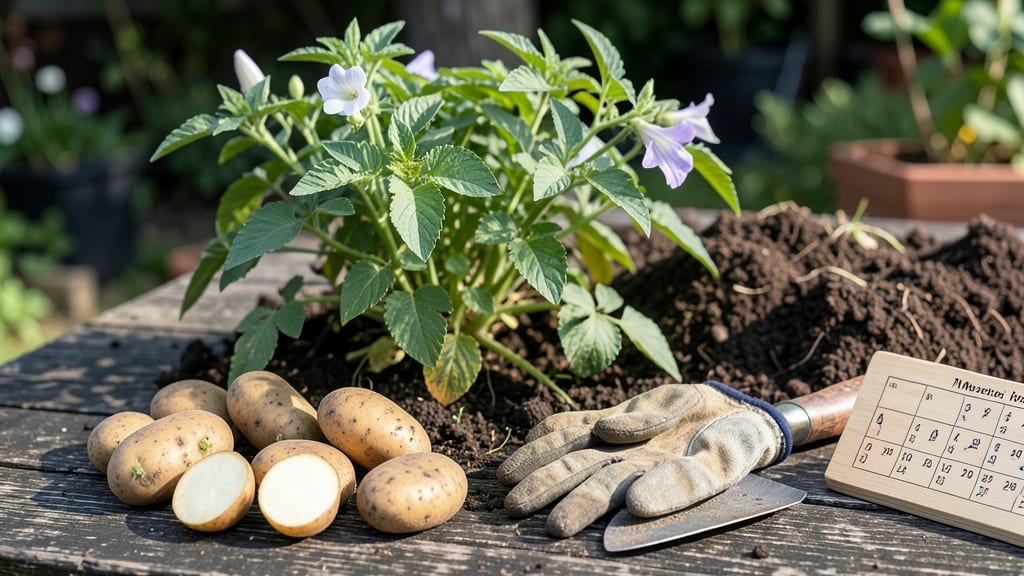
Planting potatoes in Zone 6b at the wrong time can turn your 🥔 dreams into a frost-killed mess—but get the timing right, and you're looking at a harvest that'll make your neighbors jealous.
Most gardeners in Zone 6b wait until after the last frost (around April 15), but that's not the only option. Cold-hardy varieties can go in as early as late February under frost protection, while standard potatoes thrive when soil hits 45°F+—usually by mid-March.
The key is balancing frost risk with soil warmth.
I'll show you exactly when to plant for maximum yield, whether you're using seed potatoes or transplants, and how to adjust for early or late varieties. No more guessing—just a foolproof schedule tailored to Zone 6b's climate quirks.
Ready to grow potatoes that actually make it to harvest? Let's dive into the perfect planting window so you can skip the frost disasters and dig up a bounty instead.
Zone 6B potato planting calendar: exact dates for frost-free success
Timing your potato planting in Zone 6B depends on two critical factors: your last frost date and soil temperature. In most of Zone 6B, the average last frost date falls around April 15, but this can vary by 5-10 days depending on your exact location.
Planting too early risks frost damage to tender sprouts, while waiting too long cuts your harvest window short.
For frost-free success, aim to plant seed potatoes when soil temperatures reach 45°F or warmer.
This typically aligns with late March to early April in most of Zone 6B. However, if you're using cold-hardy varieties like Yukon Gold or Kennebec, you can start as early as mid-February under row covers or in a greenhouse.
If you're unsure about your last frost date, check your local USDA Plant Hardiness Zone Map or use a weather station app like Old Farmer's Almanac.
For example, in Chicago (Zone 6B), the average last frost is April 20, while in Raleigh (Zone 7b), it's March 25. Adjust your planting schedule accordingly—Zone 6B gardeners should err on the side of planting earlier rather than late.
For early varieties, like Red LaSoda or Yukon Gold, you can even start seed potatoes indoors in late February to get a jump on the season. Simply place them in a paper bag with bright light and consistent moisture until sprouts appear.
Once sprouts are 1-2 inches long, plant them outdoors when soil is workable.
Another pro tip: Chit your seed potatoes (expose them to light for 2-3 weeks before planting) to encourage faster germination.
This is especially useful if you're planting in late March when nights are still chilly. Chitting ensures your potatoes sprout uniformly and emerge from the soil faster, giving them a head start against late frosts.
If you miss the early spring window, don’t panic! You can still plant late-season varieties like Fingerling potatoes in early May, though your harvest will be smaller. These varieties mature in 70-90 days, so they can still produce a decent yield before first frost in mid-October.
To protect your early plantings, use frost cloth or straw mulch to insulate the soil. Even a thin layer of mulch can raise soil temperatures by 5-10°F, helping roots establish faster.
For extra insurance, consider planting in a south-facing bed, where the soil warms up quicker in the morning sun.
Remember, potatoes need 70-120 days to mature, so calculate backward from your first frost date. If your first frost is October 15, you have about 165 frost-free days. Subtract the days to maturity for your chosen variety to determine your latest safe planting date.
For example, a 90-day variety planted on May 15 should be ready by August 15, leaving plenty of time before frost.
Finally, always test your soil temperature before planting. Use a soil thermometer to check 6 inches deep—this is where your potatoes will root. If the soil is below 45°F, wait a few more days.
How to adjust planting time for early vs late potato varieties in Zone 6B
Zone 6B gardeners face a unique challenge: balancing early frost risks with late-season heat stress for potatoes. The solution? Planting a sequential mix of cold-hardy and heat-tolerant varieties. Early varieties like Yukon Gold thrive in cooler soils, while late varieties such as Red LaSoda handle summer's heat better.
This strategy stretches your harvest from mid-July to October.
Start with early varieties 2-4 weeks before your last frost date (typically March 15-April 1 in Zone 6B). These potatoes mature faster (70-90 days) and can handle 40-50°F soil temps.
For late varieties, wait until April 15-May 1 when soil reaches 50-60°F—they take 90-120 days to mature and need consistent warmth.
| Variety Type | Planting Window | Soil Temp | Days to Maturity | Harvest Window |
|---|---|---|---|---|
| Early (Cold-Hardy) | March 15-April 1 | 40-50°F | 70-90 days | Mid-July to August |
| Mid-Season | April 15-May 1 | 50-60°F | 90-100 days | August to September |
| Late (Heat-Tolerant) | May 1-15 | 55-65°F | 100-120 days | September to October |
Extend your harvest by using row covers or black plastic mulch for early plantings. These protect tender shoots from late frosts (common in Zone 6B until April 15) and warm the soil faster.
For late varieties, prioritize shade cloth during summer to prevent heat stress—potatoes struggle when temps exceed 85°F.
Pro tip: Plant two rows of early potatoes in succession, spaced 3 weeks apart. This creates a rolling harvest and ensures you always have fresh tubers.
For example, start one batch on March 20 and another on April 10—the first will be ready by July 10, while the second hits peak flavor in August.
Monitor soil temps with a soil thermometer—potatoes won’t sprout below 45°F. If your early planting hits 32°F frost, cover rows with straw or burlap immediately. Late varieties, meanwhile, benefit from drip irrigation to maintain even moisture during Zone 6B’s hot, dry summers.
By mixing varieties and adjusting timing, you’ll double your potato yield in Zone 6B. Start with 50% early types for a quick harvest, then add 30% mid-season and 20% late varieties to stretch your season.
Rotate planting spots yearly to prevent disease buildup—potatoes are heavy feeders and deplete soil nutrients quickly.