
Planting
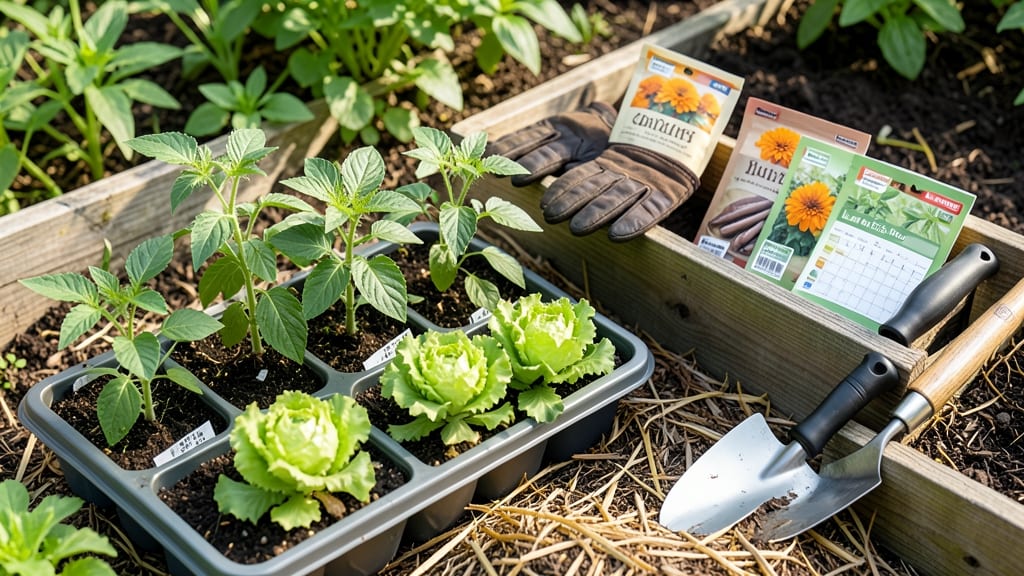
Timing your garden right in West Virginia isn’t just about luck—it’s about knowing when to plant General Garden Plants 🌱 to beat the frost and maximize your harvest. With USDA zones 6a to 7b and unpredictable spring weather, getting the window wrong can mean wilted seedlings or stunted growth.
I’ve grown General Garden Plants for years in this region, and the difference between a thriving garden and a failed one often comes down to planting at the right moment.
Whether you’re sowing cool-season greens in March or transplanting tomatoes after the last frost, the key is aligning your schedule with West Virginia’s unique climate quirks.
In this guide, you’ll discover the exact months to start seeds, transplant seedlings, and extend your growing season—no more guessing games. We’ll cover everything from frost dates to heat zone strategies, so you can plant with confidence and enjoy a bountiful harvest from spring through fall.
Ready to turn your garden dreams into reality? Let’s dive into the best planting windows for your WV zone and set your plants up for success from day one.
West Virginia planting months by heat Zone (USDA 5b-7a)
West Virginia’s diverse USDA heat zones—ranging from 5b in high-altitude areas to 7a in lowland regions—create unique planting challenges.
The average last frost date shifts from early April in Zone 5b to mid-April in Zone 7a, while first frost arrives as early as October 1 in mountain regions. Understanding these variations helps you avoid frost damage and maximize your growing season.
In Zone 5b (e.g., Highlands County), gardeners face a shorter frost-free period (150 days), requiring early starts for cool-season crops like kale and peas.
Meanwhile, Zone 7a (e.g., Charleston) enjoys 180+ frost-free days, allowing for warm-season staples like tomatoes and peppers to thrive with later plantings. Below, I’ve broken down the exact planting windows for each zone, including seed-starting indoors and direct sowing outdoors.
| Zone | Last Frost Date | Cool-Season Start (Outdoors) | Warm-Season Start (Outdoors) | Indoor Seed Start | Frost-Free Days |
|---|---|---|---|---|---|
| 5b (Highlands) | April 10 | March 15 | May 1 | February 15 | 150 days |
| 6a (Lewisburg) | April 15 | March 22 | April 25 | February 20 | 165 days |
| 6b (Morgantown) | April 20 | March 28 | May 1 | February 25 | 175 days |
| 7a (Charleston) | April 25 | April 1 | May 10 | March 1 | 180+ days |
For cool-season crops like lettuce, spinach, and broccoli, I recommend starting seeds 4-6 weeks before your last frost date. In Zone 5b, this means February 15 for indoor starts, while Zone 7a gardeners can wait until March 1.
Direct sowing outdoors should begin 2-3 weeks before your zone’s last frost date to ensure seedling survival.
Warm-season crops—such as tomatoes, peppers, and beans—demand patience. Plant these 2-3 weeks after your last frost date, or use row covers to extend the window.
In Zone 5b, wait until May 1, while Zone 7a can start as early as April 25 for heat-loving varieties like okra or sweet potatoes.
High-altitude areas in Zone 5b often experience late spring frosts, so I always recommend hardening off seedlings for 7-10 days before transplanting. Use black plastic mulch to warm the soil faster and frost cloth for overnight protection in early spring.
In contrast, lowland zones (6b-7a) can benefit from succession planting—sowing radishes every 2 weeks from March to July for continuous harvests.
Perennials and ornamental plants have different timelines. In Zone 5b, plant daylilies or coneflowers in early spring (April) or early fall (September) to establish roots before winter. For Zone 7a, fall planting can extend into October, giving plants time to root before the first frost.
Always amend soil with compost and organic matter to improve drainage in WV’s clay-heavy soils.
Microclimates play a huge role in WV gardening. A south-facing slope in Zone 6a might warm up enough to plant cucumbers by April 20, while a valley could still see frost until May 5.
Use a soil thermometer to confirm when temperatures reach 50°F+ for warm-season crops. For high-risk areas, opt for frost-tolerant varieties like ‘Winterbor’ kale or ‘Sugar Anne’ peas.
Fall
How to extend your WV gardening season without frost damage
West Virginia’s short growing season and unpredictable frost dates can feel like a gardener’s worst nightmare—but with the right strategies, you can push your planting windows by 4-6 weeks and enjoy harvests well into fall.
The key lies in combining season-extending tools, frost-resistant crops, and smart planting techniques tailored to WV’s USDA zones 5b-7a. Whether you’re dealing with high-altitude frost pockets or lowland heat waves, these methods will help you maximize your garden’s potential.
One of my favorite tricks is using row covers and cold frames, which can raise soil temperatures by 5-10°F and protect tender plants from late frosts. Pairing these with succession planting ensures a steady supply of fresh produce, while selecting heat-tolerant varieties lets you start warm-season crops earlier.
Below, I’ve outlined the most effective techniques to keep your garden thriving well beyond the average last frost date of April 15.
🌱 Top 5 Techniques to Extend Your WV Gardening Season
-
1. Use Row Covers
Lightweight fabric covers like floating row covers protect plants from 28°F frosts and extend harvests by 3-4 weeks. Ideal for leafy greens and broccoli. -
2. Install Cold Frames
These mini greenhouses trap heat and can raise soil temps by 10-15°F, allowing you to plant spinach and kale as early as March in zone 6a. -
3. Practice Succession Planting
Stagger plantings every 2 weeks for crops like lettuce and radishes to ensure continuous harvests until first frost. -
4. Choose Frost-Resistant Varieties
Opt for cold-hardy plants like Swiss chard (tolerates 20°F) or peas (survives 25°F) to push your season’s limits. -
5. Plant Heat-Tolerant Crops Early
Varieties like Malabar spinach and Okinawa sweet potato thrive in 90°F+ heat, letting you start them 2 weeks before traditional warm-season crops.
For high-altitude gardens in WV’s mountainous regions (like USDA zone 5b), focus on early cold frames and heavy mulches to insulate soil. In lower elevations (zone 7a), prioritize shade cloth to protect plants from late-summer heat waves.
My personal favorite is combining a cold frame with a row cover—this combo can extend your growing season by up to 8 weeks in both spring and fall.
Don’t overlook the power of mulching either. A 4-inch layer of straw or leaves keeps soil temps stable and retains moisture, which is crucial during WV’s unpredictable spring rains.
I’ve seen carrots and beets grow 20% faster in mulched beds compared to bare soil. Pair this with drip irrigation to avoid fungal issues from overhead watering.
When selecting crops, prioritize those with short maturity dates (under 50 days) for early starts. My top picks for frost-resistant WV gardens include radishes (25 days), spinach (30 days), and turnips (40 days).
For late-season harvests, kale and collard greens can withstand light frosts and even taste sweeter after a 28°F chill.
Pro tip: Monitor your local microclimate—south-facing slopes warm up faster than north-facing areas, and valleys often frost later than hilltops. Use a soil thermometer to confirm when temps hit 50°F (ideal for cool-season crops) before planting.
With these techniques, you’ll turn WV’s short season into a year-round gardening advantage.