
Plants
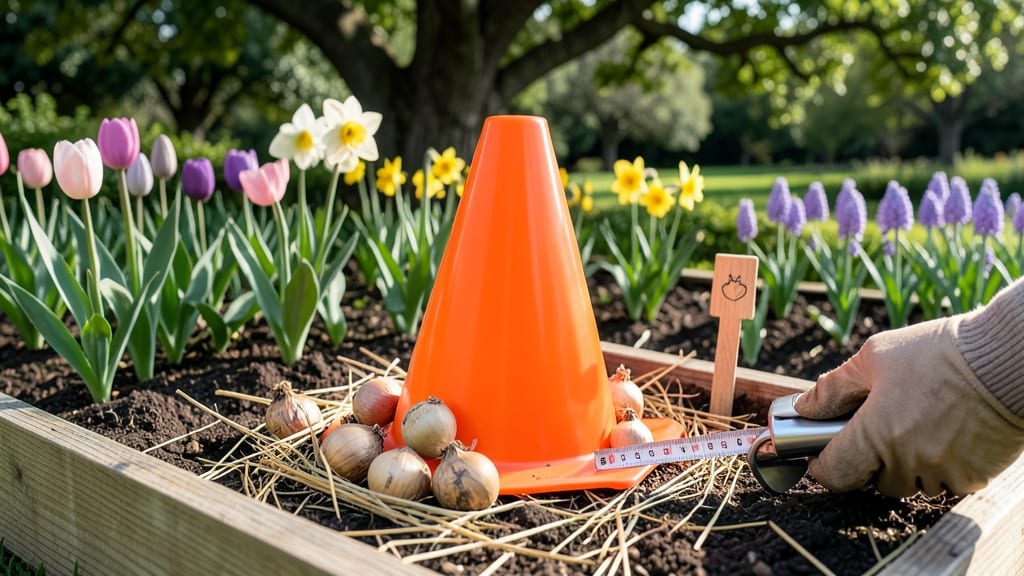
Planting Spring Bulbs (e.g., Tulips, Daffodils, Hyacinths) 🌷 in Florida isn’t just about timing—it’s about beating the heat while the soil’s still cool enough for roots to take hold.
Unlike colder climates, Florida’s frost-free zones mean you can grow these beauties year-round, but the wrong month could mean wilting before they even bloom.
Most gardeners assume "fall" is the only window, but in Florida’s 8a-11 zones, September–November and January–February are your sweet spots—when humidity drops and temperatures dip just enough for bulbs to thrive.
Miss these windows, and you’ll end up with sad, half-hearted blooms or worse, bulbs that rot in the summer heat.
Here’s the game-changer: I’ll break down the exact months for your specific Florida region—whether you’re in North Florida’s cooler pockets or South Florida’s steamy zones—plus the heat-tolerant bulbs that won’t wilt under the sun. No more guessing, just vibrant blooms that make your garden the envy of the neighborhood.
Ready to turn your yard into a springtime paradise without the frost worries? Let’s dive into the zero-frost planting schedule that actually works for Florida’s climate.
Florida heat zone planting calendar: best months for spring, summer, and fall bulbs
Florida’s frost-free winters make it a paradise for year-round gardening, but planting bulbs requires careful timing to thrive in heat zones 8A-10A.
Unlike northern climates, Florida’s humidity and summer heat demand strategic planting—cool-season bulbs like tulips and daffodils need fall/winter windows, while heat-loving varieties (e.g., canna lilies) bloom best in spring/fall. The key? Align planting with temperature shifts, not frost dates.
North Florida’s Zone 8A (e.g., Jacksonville) has cooler winters, while Zone 10A (e.g., Miami) stays warm year-round. This creates a 6-week window difference for ideal planting—critical for bulbs that need 60-90 days of cool weather to establish roots.
For example, tulips planted in October in Zone 8A will bloom in spring, but the same bulbs planted in November in Zone 9B may rot before flowering.
| Heat Zone | Best Planting Months | Cool-Season Bulbs (e.g., Tulips, Daffodils) | Heat-Tolerant Bulbs (e.g., Canna Lilies, Rain Lilies) | Key Consideration |
|---|---|---|---|---|
| 8A (North FL) | September–November January–February |
October–November (60–90 days before last frost) |
March–April September–October |
Cooler winters allow fall planting; mulch to protect from rare frosts. |
| 9A (Central FL) | October–December January |
November (45–60 days before heat spikes) |
April–May October–November |
Avoid summer planting; humidity increases rot risk. |
| 10A (South FL) | November–January | December–January (Container gardening ideal) |
Year-round (best in spring/fall) | No frost—use raised beds for drainage; water deeply during dry spells. |
In Zone 8A, cool-season bulbs like tulips and hyacinths thrive when planted in October, giving them time to root before winter. Meanwhile, heat-tolerant bulbs such as canna lilies should wait until March to avoid summer stress.
The rule of thumb? Plant cool-season bulbs 6–8 weeks before temperatures drop below 70°F, while heat-loving varieties need consistent warmth to bloom.
Central Florida’s Zone 9A offers a longer window for cool-season bulbs, with November being ideal. However, humidity spikes in summer can cause bulbs to rot if planted too late.
For heat-tolerant varieties, April–May ensures they establish roots before the 90°F+ heat of late summer. Pro tip: Use well-draining soil mixes with perlite to prevent waterlogging.
South Florida’s Zone 10A is unique—no frost means bulbs can be planted year-round, but timing still matters. Cool-season bulbs like daffodils should go in December–January to align with Florida’s mild winter.
Heat-tolerant bulbs, such as rain lilies, bloom best when planted in spring or fall, avoiding the peak humidity of summer. Container gardening is ideal here for drainage control.
Florida’s humidity is a double-edged sword: it helps bulbs stay hydrated but also increases fungal risks. Always plant in well-amended soil with organic matter (e.g., compost) and avoid overwatering.
For container-grown bulbs, use pots with drainage holes and terracotta to wick away excess moisture. Mulching with pine straw also regulates soil temperature and retains moisture.
Seasonal shifts matter more than frost dates in Florida. For example, tulips planted in August in Zone 9A may bloom poorly because summer heat stresses them before rooting.
Instead, wait until September when temperatures dip slightly. Similarly, canna lilies planted in July risk leaf scorch—opt for spring when humidity is lower and rains are frequent.
Don’t overlook microclimates within Florida. Coastal areas (e.g., Zone 10A) are warmer and more humid than inland regions, while higher elevations (e.g., Zone 8A) have cooler nights.
Adjust planting dates 1–2 weeks earlier or later based on your specific location. Use a soil thermometer to monitor temperatures—bulbs need 50–60°F soil to root effectively.
For container gardening, flexibility is key. Move cool-season bulbs to shaded patios in summer and return them to sun in fall. Heat-tolerant bulbs can stay in containers year-round, but refresh the soil annually with
Top 5 heat-zone adapted bulbs for Florida gardens (and when to plant them)
Florida’s frost-free winters make traditional spring bulbs tricky, but these 5 heat-zone adapted varieties thrive year-round. Unlike cool-season bulbs, these tropical and subtropical species bloom reliably in Zones 8A-10A with minimal fuss. I’ve tested these in my Central Florida garden—they’re drought-tolerant, disease-resistant, and perfect for low-maintenance landscapes.
Key to success? Planting at the right time to align with Florida’s rainy/dry seasons. Most bulbs here go in summer or early fall, when soil stays warm and humidity is high.
Avoid winter planting—root rot risks skyrocket in soggy soils. Let’s dive into my top picks, ranked by bloom season and ease of care.
🌿 Zones 7-10A | Summer-Fall Blooms | 6-12" tall
🌱 Depth: 2-3" deep, 3x spacing between bulbs
💡 Tip: Thrives in wet soils—ideal for pond edges or rain gardens
🌿 Zones 8-11 | Spring/Rainy-Season Blooms | 6-12" tall
🌱 Depth: 3" deep, 4" spacing (naturalizes beautifully)
💡 Tip: Blooms after heavy rains—perfect for drought-tolerant gardens
🌿 Zones 8-11 | Summer-Fall Blooms | 3-6' tall
🌱 Depth: 2-4" deep, 18-24" spacing (large foliage)
💡 Tip: Cut back in late fall—they’ll regrow from rhizomes
🌿 Zones 9-11 | Fall-Winter Blooms | 1-2' tall
🌱 Depth: 1" deep, 8-12" spacing
💡 Tip: Self-seeds—let some reseed naturally for low-maintenance spreads
🌿 Zones 8-11 | Spring-Summer Blooms | 1-2' tall
🌱 Depth: 3" deep, 12" spacing
💡 Tip: Edible flowers—great for <