
Plants
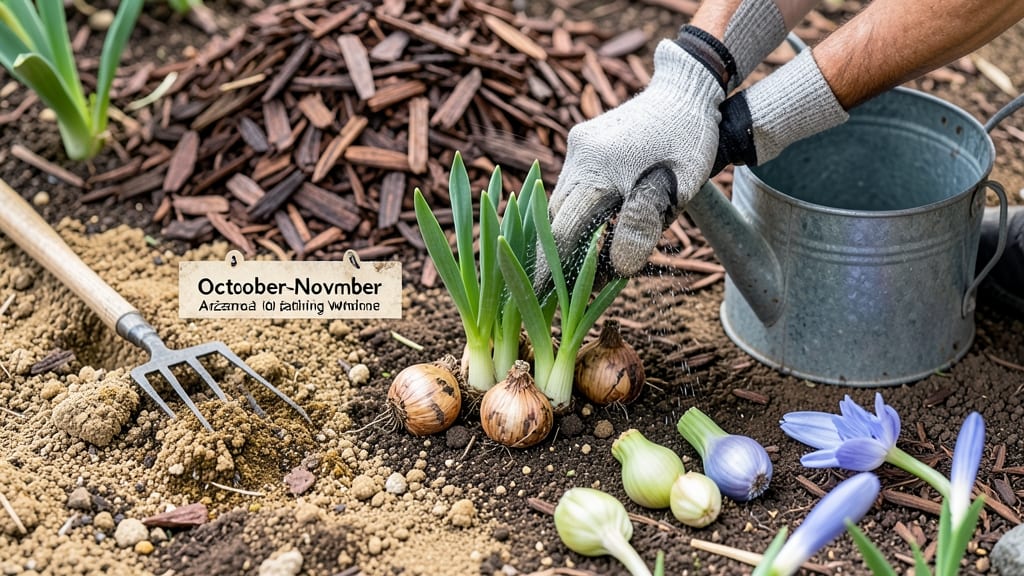
Planting bulbs in Arizona isn’t just about timing—it’s about outsmarting the desert’s unpredictable climate before the heat turns your garden into a crispy wasteland.
While most gardeners wait for cool weather, Arizona’s Zone 9b rules demand a different approach, especially when frost rarely shows up but summer can still fry tender roots.
I’ve learned the hard way that October through February is your sweet spot, but the real secret lies in reading the soil—not the calendar. Too early, and your bulbs bake; too late, and they rot.
Let me show you exactly how to sync your planting with Arizona’s microclimates, from Phoenix’s scorching low desert to Flagstaff’s cooler highlands.
You’ll discover which bulbs—like paperwhites and desert marigolds—thrive here naturally, plus the 3-step soil test that tells you when it’s finally safe to dig. No more guessing, just blooms that beat the heat.
Ready to turn your Arizona garden into a year-round showstopper? Let’s dive into the desert-proof schedule that actually works.
Arizona’s best bulb planting months by climate Zone
Arizona’s diverse climate zones create a tricky puzzle for bulb planting. Low Desert areas like Phoenix enjoy frost-free winters, while High Desert regions like Flagstaff face occasional freezes. Even Mid Desert zones (Tucson/Mesa) have unique microclimates with light frost risks.
Getting the timing wrong can mean bulbs roast in summer heat or freeze before blooming. Let’s break down the optimal planting windows tailored to each zone’s quirks.
The key to success lies in understanding your USDA hardiness zone and local frost patterns. Arizona spans Zones 6b–11a, meaning what works in scorching Phoenix (Zone 10b) fails in cooler Flagstaff (Zone 6b).
I’ll show you exactly when to plant for zero-frost success, plus which bulbs thrive in each microclimate.
| Climate Zone | Ideal Planting Window | Key Bulb Types | Avoid Planting After | Frost Risk |
|---|---|---|---|---|
| Low Desert (Phoenix/Scottsdale) | October–November or February | Daffodils, Paperwhites, Tulips, Hyacinths | March (heat stress) | None (Zone 9b–11a) |
| Mid Desert (Tucson/Mesa) | September–October or January | Alliums, Fritillaria, Desert Marigold | April (extreme heat) | Light (Zone 7b–9a) |
| High Desert (Flagstaff/Sedona) | September–October only | Crocus, Snowdrops, Desert Lily | May (frost risk) | Moderate (Zone 6b–7a) |
In the Low Desert, you get a second chance with spring planting. February works for heat-tolerant bulbs like Desert Marigold, but they need 50% shade until roots establish. This zone’s lack of frost means you can even force paperwhites indoors year-round for holiday blooms.
The Mid Desert offers a slightly longer window thanks to its light frost risk. September–October planting aligns perfectly with monsoon moisture, reducing irrigation needs. January is your backup window if you missed fall, but avoid planting after April when 100°F+ soil temperatures cook bulbs before they sprout.
High Desert gardeners must act fast—September–October is your only window. These zones experience 20–30°F nights, so bulbs like crocus and snowdrops need to establish roots before winter. Planting after May risks late-season frosts that damage emerging shoots. Use mulch heavily to protect bulbs from temperature swings.
Pro tip: Check your local Cooperative Extension Service for last frost dates. In Phoenix, frost is rare, but Tucson’s elevation (3,500 ft) can bring unexpected chills. Flagstaff’s Zone 6b means you’re playing by different rules entirely—think cold-hardy bulbs like Siberian squill instead of tropical paperwhites.
Microclimates add another layer. A shady north-facing slope in Tucson might stay cool enough for January planting, while a sunbaked south-facing bed in Phoenix could scorch bulbs planted after November. Always test your soil temperature—aim for 60–65°F (15–18°C) at 6 inches deep before planting.
For container gardening, Low Desert gardeners can force paperwhites in pots anytime by keeping them in 60°F conditions. High Desert growers should use black plastic mulch to warm soil in spring.
The right container size matters too—small pots dry out faster, while large ones risk root rot in summer’s heat.
Remember: Bulb size matters. Plant larger bulbs (2+ inches) deeper (8–10 inches) for stability, while smaller bulbs (like crocus) only need 3–4 inches of soil. In Arizona’s well-draining soil, add compost or grit to prevent rot during our monsoon downpours.
Timing isn’t just about months—it’s about moisture and temperature. Plant too early in Low Desert, and bulbs may sprout before winter rains. Plant too late in High Desert, and they won’t root before frost.
Use these guidelines as your desert-proof schedule, and your bulbs will reward you with vibrant blooms year after year. 🌱
How to time bulb planting for Arizona’s unpredictable weather
Arizona’s desert climate throws curveballs with its sudden monsoon rains and unpredictable frost pockets, making bulb planting a delicate dance. Unlike traditional gardening guides, timing here isn’t about "spring" or "fall"—it’s about soil temperature, rainfall patterns, and microclimate shifts.
One wrong move, and your bulbs could either rot in summer heat or freeze before blooming. The key? Adjusting your schedule based on real-time conditions rather than fixed calendar dates.
Most gardeners focus on frost dates, but in Arizona, soil moisture retention and heat stress are equally critical. For example, planting paperwhites in October might work in Tucson, but the same bulbs could overheat in Phoenix by November.
The solution? Layered timing strategies that account for both monsoon remnants and unexpected cold snaps. Let’s break it down into actionable steps so you can outsmart Arizona’s weather instead of fighting it.
Plant for Monsoons
Aim for September–October planting to align with soil moisture from summer rains, reducing irrigation needs.
Soil Thermometer Test
Wait until soil cools to 60–65°F (15–18°C) at 6 inches deep—use a thermometer for accuracy.
Frost-Proofing Trick
In Zone 7b+, plant paperwhites in pots for indoor forcing if frost threatens; they’ll bloom in 6–8 weeks.
Spring Backup Window
For Low Desert, February planting works for heat-tolerant bulbs (e.g., Desert Marigold) but requires 50% shade until roots establish.
Don’t assume that October is always safe—some years, monsoon rains taper off early, leaving soil dry by November.
I once planted tulip bulbs in mid-October in Scottsdale, only to watch them wither by December because the ground stayed bone-dry. Check soil moisture weekly after planting; if the top 2 inches feel dry, water deeply but avoid soggy soil.
For frost-prone areas like Flagstaff, delay until after Thanksgiving unless you’re planting crocus or snowdrops, which handle light frosts.
Another pro tip: Use mulch strategically. In Phoenix, a 2-inch layer of straw mulch after planting retains moisture and insulates bulbs from sudden temperature swings. In cooler zones like Prescott, switch to pine needles to prevent rot while allowing airflow.
Mulch also suppresses weeds, which compete with bulbs for water—a critical factor in Arizona’s water-scarce environment.
For spring bloomers like daffodils, time planting so they push through the soil just as winter rains end (typically February–March). If you miss the fall window, February planting is your backup—but pair it with shade cloth until roots establish.
I’ve seen paperwhite narcissus thrive when planted in late January under 30% shade, blooming by Valentine’s Day. The trick? Monitor shade needs weekly—once roots are 2 inches long, they’ll tolerate full sun.
Finally, extend your bloom season by staggering plantings. Divide your bulbs into three groups: plant 1/3 in early October, 1/3 in mid-November, and the last 1/3 in early February. This ensures continuous color from winter through spring, even if one batch struggles with weather.
For example, alliums planted in October will bloom in March, while desert marigolds from February will shine in April.
Timing bulbs in Arizona isn’t about rigid rules—it’s about reading the land. Combine soil tests, weather forecasts, and a little flexibility, and you’ll turn the desert’s chaos into a blooming masterpiece. 🌱