
Planting
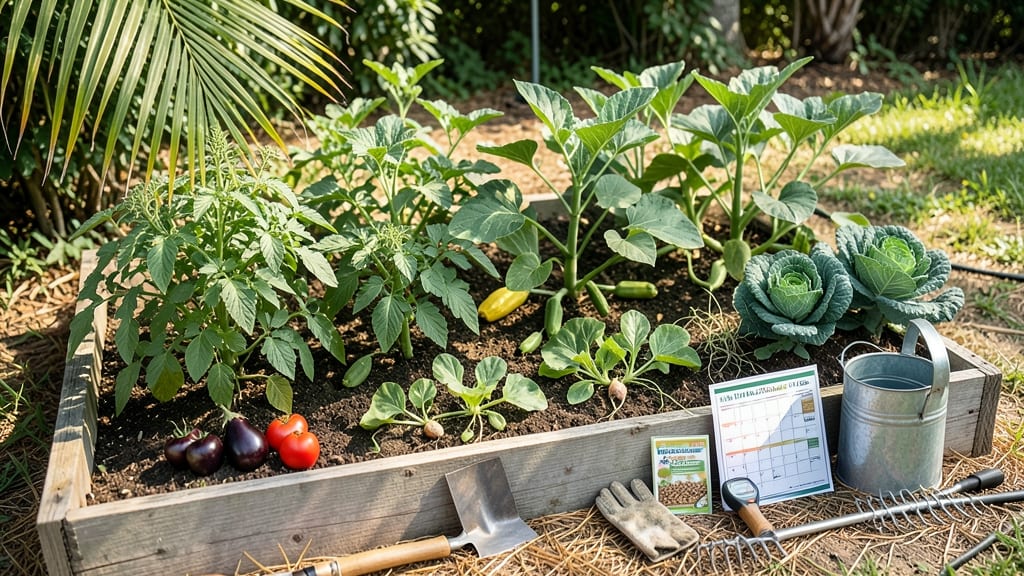
Planting a garden in Florida isn’t just about avoiding frost—it’s about timing your crops right to beat the heat, humidity, and hurricane season. Unlike northern states, Florida’s year-round growing potential means you can plant almost anything, but the North vs. South split creates two very different calendars.
Whether you’re in Zone 8a near Jacksonville or Zone 11 in Miami, the wrong start date can mean wilted seedlings or stunted growth. I’ve grown everything from tomatoes to rosemary in Florida’s climate, and the key is knowing when to plant for maximum success—without the guesswork.
In this guide, you’ll discover the exact month-by-month windows for warm-season and cool-season crops, plus how to adjust for Florida’s microclimates. No more wasted seeds or missed harvests—just a thriving 🌿 General Florida Garden that works with your region’s rhythm.
Ready to stop second-guessing and start planting with confidence? Let’s dive into the secrets that’ll keep your garden flourishing all year.
Florida planting calendar by region: North vs south start dates for vegetables
Florida’s frost-free climate makes gardening possible year-round, but North Florida (Zones 8-9) and South Florida (Zones 10-11) have key differences in heat, humidity, and seasonal timing.
While you won’t face frost, warm-season crops like tomatoes and peppers thrive best after consistent 70°F+ soil temperatures, while cool-season greens prefer milder 60-75°F ranges. Understanding these regional nuances ensures your garden avoids stress from extreme heat or storms.
In North Florida, the transition from winter to summer is more pronounced, with March-April marking the ideal start for warm-season crops. Meanwhile, South Florida can plant warm-season crops as early as February, thanks to its subtropical climate.
Below, I’ve broken down the month-by-month planting windows for both regions, including best crops, soil temps, and key adjustments for Florida’s unique growing conditions.
🌱 Key Rule for Both Regions: Always check soil temperature (not air temp) with a soil thermometer—warm-season crops need 70°F+, while cool-season crops prefer 60-75°F. Florida’s sandy soils heat up quickly, so mulch heavily to regulate temps and retain moisture.
| Month | North Florida (Zones 8-9) | South Florida (Zones 10-11) | Best Crops | Soil Temp (°F) | Notes |
|---|---|---|---|---|---|
| January | Cool-season crops | Cool-season crops | Leafy greens, broccoli, carrots, peas | 60-70°F | Direct sow or start indoors |
| February | Cool-season crops (end of month) | Warm-season prep | Spinach, lettuce, radishes; start tomatoes/peppers indoors | 65-75°F (North), 70°F+ (South) | South: Plant sweet potatoes |
| March | Warm-season start | Warm-season planting | Tomatoes, peppers, cucumbers, okra | 70°F+ (North), 75°F+ (South) | North: Wait for soil to warm; South: Plant melons |
| April | Peak warm-season | Peak warm-season | Beans, squash, basil, eggplant | 75°F+ | Both: Succession plant greens for fall |
| May-June | Hot season | Hot season | Heat-tolerant: Okra, sweet potatoes, peanuts | 80°F+ | Shade cloth for greens; mulch heavily |
| July-August | Hurricane prep | Hurricane prep | Fast-growing: Green beans, bush peas, herbs | 75-85°F | Prepare for storms; harvest before rain |
| September | Cool-season restart | Cool-season restart | Broccoli, cabbage, kale, turnips | 65-75°F | <