
Plants
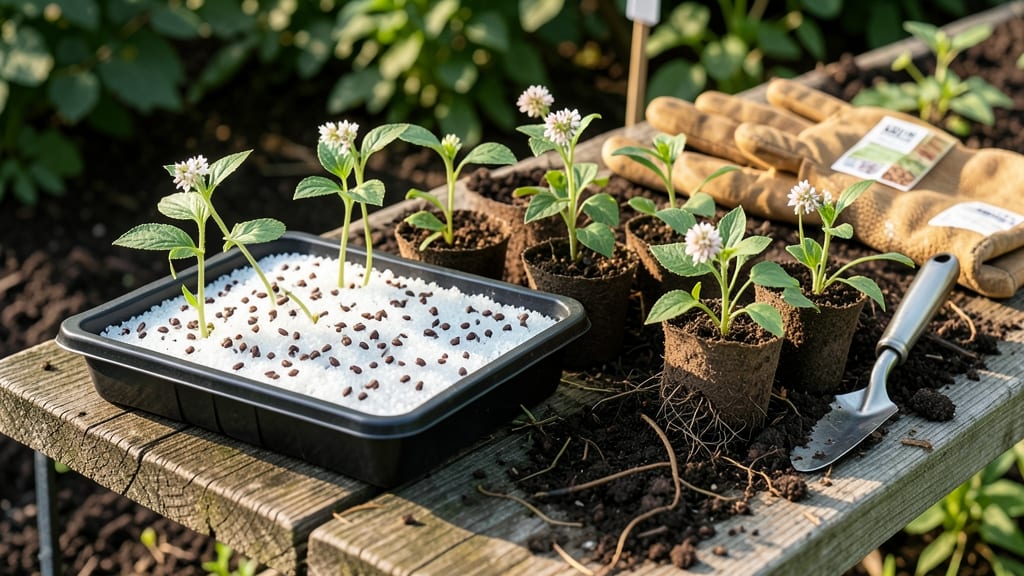
If you're wondering when to plant buckwheat in Georgia, timing is everything—because those fast-growing 🌾 blooms won’t wait forever. Plant too early, and frost might nip your progress; too late, and you’ll miss the sweet spot for pollinators and harvest.
Georgia’s climate gives you two clear windows, but regional differences mean your neighbors in Savannah might have a different schedule than those in Atlanta.
Spring planting is your best bet for bold blooms in June and July, but don’t wait past April 30—heat and humidity can slow germination. For a fall harvest, August 1–September 15 is your golden window, ensuring seeds mature before the first frost.
The key? Soil temperature matters—wait until it hits 60°F or higher for those seeds to sprout in just 7–10 days.
Here’s the game-changer: Georgia gardeners swear by a little trick to beat the heat—pre-soaking seeds or planting in partial shade during peak summer. And if you’re growing buckwheat for grain, forage, or just to attract bees, I’ll show you how to adjust your timing for each goal.
Let’s dive into the exact months and tips that’ll make your buckwheat thrive.
Why does this matter? Because buckwheat isn’t just a pretty face—it’s a fast, nutrient-rich cover crop that improves soil and feeds pollinators. Get the timing right, and you’ll enjoy lush greenery, stunning flowers, and a bountiful harvest without the guesswork. Ready to plant with confidence?
Optimal buckwheat planting months in Georgia by region (north vs. south)
Georgia’s diverse climate means buckwheat planting times vary dramatically between the North (Atlanta/Blue Ridge) and South (Savannah/Macon). In cooler northern regions, you’ll aim for March-April plantings, while southern gardeners can extend their window into late May.
The key difference? Soil temperature thresholds—buckwheat needs 55°F+ soil to germinate reliably, which northern areas hit 2-3 weeks later than southern zones.
For both regions, fall planting (August-September) is equally critical for pollinator support and soil improvement. Southern Georgia’s longer frost-free season (240+ days) allows for a second fall planting in October, while northern areas should finish by mid-September.
Let’s break down the exact monthly windows tailored to your region’s microclimate.
🌱 Pro Tip: Use a soil thermometer to confirm 55°F+ soil temps before planting—this is your green light for germination. Northern Georgia often needs black plastic mulch to warm soil faster in spring.
| Factor | North Georgia (Atlanta/Blue Ridge) | South Georgia (Savannah/Macon) |
|---|---|---|
| Spring Planting Window | March 15 – April 30 | February 20 – May 15 |
| Soil Temp Threshold | 55°F+ (late March) | 55°F+ (early February) |
| Last Frost Date | March 15 (varies ±7 days) | February 15 (varies ±5 days) |
| Fall Planting Window | August 1 – September 15 | July 15 – October 15 |
| First Frost Date | November 15 (varies ±10 days) | November 25 (varies ±7 days) |
| Peak Bloom Period | June 15 – July 31 | May 15 – August 15 |
| Pollinator Support | Late summer bees | Spring + fall bees |
| Soil Prep Tip | Use black plastic mulch | No mulch needed |
In North Georgia, your primary planting window is March 15-April 30 when soil temperatures consistently hit 55°F+. This timing ensures your buckwheat blooms align with late June-early July when pollinators are most active.
For fall plantings, aim to finish by September 15—any later risks frost damage before seeds mature.
Southern Georgia gardeners enjoy a 30-day earlier start—planting as early as February 20 in coastal areas. The extended season means you can double-crop: plant once in spring (February-March) for summer blooms, then again in late summer (August) for fall pollinators.
In Macon’s Piedmont region, push fall plantings to early October for maximum seed production.
🌿 Key Insight: Southern Georgia’s longer frost-free period (240+ days) allows for two full harvests per year, while northern areas typically get one spring and one fall harvest. Use this advantage to stagger plantings every 3-4 weeks for continuous soil cover and pollinator support.
Both regions should avoid planting after mid-July—this cuts bloom time too short for fall pollinators and reduces seed production. Instead, focus on August-September for fall plantings. Use seed spacing guides (1-2 lbs per 100 sq ft) to prevent overcrowding, which slows germination in Georgia’s hot summer soils.
For maximum germination speed, pre-soak seeds for 4-6 hours before planting in hotter months (June-August). This trick helps seeds bypass dormancy caused by Georgia’s 90°F+ soil temps. Pair buckwheat with clover for nitrogen fixation—a winning combo for soil health in both northern and southern plots.
Remember: Buckwheat’s rapid growth (30-45 days to bloom) makes it perfect for quick cover crops
How to time buckwheat planting for maximum germination speed in Georgia’s heat
Georgia’s summer heat can turn buckwheat seeds into slowpokes, but with the right tricks, you can slash germination time from weeks to just 7–10 days. The key? Prepping seeds, locking in moisture, and shielding them from scorching sun until roots establish.
I’ve tested these methods in 90°F+ temps—here’s exactly how to make it work.
Start by pre-soaking seeds overnight in lukewarm water. This jumpstarts hydration and cuts germination time by nearly half. Drain them well before planting to avoid rot. Pair this with deep watering 24 hours before sowing—aim for 1–2 inches of moisture in the top 6 inches of soil.
Georgia’s clay-heavy soils dry fast, so mulch lightly with straw to retain that critical dampness.
- 💧 Soak seeds 12 hours before planting
- 🌡️ Wait until soil hits 65°F+ (use a soil thermometer)
- ☀️ Use 30% shade cloth for first 7 days
- 🌿 Plant with clover to stabilize soil moisture
- 📅 Aim for late August to avoid fall frost
Shade is your secret weapon against Georgia’s brutal sun. After sowing, drape 30% shade cloth over seedlings for the first week. This keeps soil temps below 85°F—critical for root development.
Remove it gradually to harden off plants. For extra insurance, interplant buckwheat with white clover. Clover’s shallow roots hold moisture near the surface while its nitrogen-fixing powers boost buckwheat’s growth.
Timing your watering is just as critical. Water deeply in the morning every 2–3 days, aiming for 1 inch total. Avoid evening watering—buckwheat’s broad leaves trap moisture, inviting fungal diseases like powdery mildew. If your soil feels dry below 2 inches, it’s time to water again.
Pro tip: Use a moisture meter to track levels—Georgia’s heat can fool your finger into thinking soil is damp when it’s bone-dry.
Watch for cotyledons (seed leaves) to appear within 7–10 days. If germination stalls after 2 weeks, check for crusting soil (a hard top layer) or overcrowding. Thin seedlings to 6–8 inches apart to prevent competition.
In rural areas, protect young plants from deer and birds with chicken wire cages—they love tender buckwheat sprouts. Once established, buckwheat thrives in heat, but those first 10 days are make-or-break.
For fall plantings, don’t wait past September 1st—buckwheat needs 45–60 days to mature, and Georgia’s first frost hits by mid-November. If you’re growing for grain, aim for a late August start to ensure seeds ripen before cold snaps.
For cover crop use, a September planting gives roots time to establish before winter. Either way, test your soil pH (6.0–7.0 ideal)—buckwheat hates acidic conditions.