
Plants
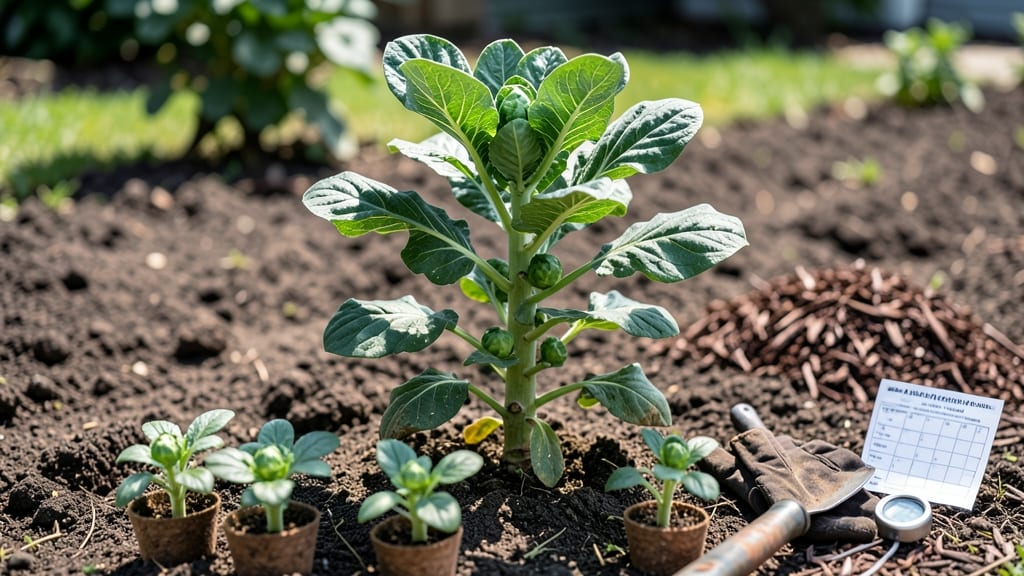
Planting Brussel sprouts 🥦 in Arkansas isn’t just about the calendar—it’s about dodging late-spring freezes and embracing the state’s 7a-8a climate quirks. Too early, and a surprise frost wipes out your crop; too late, and your harvest arrives after the first hard freeze.
The sweet spot? August to early September for fall planting, when temperatures start cooling but the season still has enough warmth for those 90-day sprouts to mature before winter sets in.
Here’s the kicker: Arkansas’ microclimates mean your neighbor’s perfect timing might not work for you. Northern counties like Bentonville (Zone 7a) play it safer with late August starts, while southern regions like Little Rock (Zone 8a) can stretch planting into early September.
We’ll break down the exact dates—and why soil temperature matters more than the calendar—so you can avoid the 3 most common mistakes Arkansas gardeners make when planting Brussel sprouts.
You’ll also discover how to use your local frost dates (yes, they vary by 10+ days across the state) to pinpoint your ideal window.
Whether you’re growing cold-hardy varieties like ‘Long Island Improved’ or tender ‘Ruby Ball,’ this guide ensures your 🥦 harvest arrives at peak flavor—just in time for holiday feasts. Let’s get those seeds in the ground the right way.
Ready to skip the guesswork? We’ll cover everything from soil prep to succession planting, so you’re not left scrambling when November’s first frost sneaks up. Your future self (and your dinner table) will thank you.
Optimal planting dates for Brussels sprouts in Arkansas by county (USDA zones 6b–7a)
Brussels sprouts thrive in Arkansas' cooler seasons, but timing varies dramatically between northern counties (USDA Zone 6b) and southern regions (Zone 7a). A late spring freeze in Benton County can devastate early plantings, while Sevier County may experience heat stress if planted too late.
Understanding your last frost date and first frost window is critical for a successful harvest.
Most Arkansas gardeners aim for a fall harvest (October–December), which means planting 80–100 days before frost. For spring plantings, sow seeds 4–6 weeks before your last frost date to avoid bolting in summer heat.
Below, I’ve broken down planting windows by region, including early, mid, and late-season strategies.
🌱
For northern Arkansas (Zones 6b), prioritize late March–early April plantings to avoid spring frosts that can kill young seedlings.
In central and southern zones (7a), you can start as early as February for a summer-to-fall harvest, but be prepared to shade plants during Arkansas’ 90°F+ heat waves in July and August.
Succession planting is key in Arkansas’s short growing season. Plant every 2–3 weeks from July through August to ensure a continuous harvest. For example, in Pulaski County (Zone 7a), stagger plantings from July 1–August 15 to extend your harvest from September through December.
Cold-hardy varieties like 'Long Island Improved' tolerate light frosts, while 'Ruby Ball' (a tender variety) needs at least 6 weeks of warm soil before the first frost.
In Sevier County (Zone 7a), where nights drop below 32°F by early November, opt for fast-maturing varieties (70–80 days) to avoid frost damage.
🌿
Soil temperature is just as critical as air temperature. Brussels sprouts won’t germinate well in cold soil (<50°F). Use a soil thermometer to confirm temperatures are at least 55°F before planting.
In Baxter County (Zone 6b), wait until mid-April to plant, even if air temperatures seem warm—cool nights can stall germination.
Mulch heavily with straw or shredded leaves to protect plants from temperature swings. In Little River County (Zone 8a), where frost arrives late, mulch can extend the harvest window by 2–3 weeks.
Pair this with row covers for an extra layer of protection during unexpected cold snaps.
🪴
Pro tip: Mark your calendar for Arkansas’ average frost dates and adjust based on microclimates
How to calculate your exact planting window using frost dates (step-by-step)
Brussels sprouts thrive in Arkansas’s cooler months, but their 80–100-day growth cycle demands precision. To avoid frost damage or immature harvests, I’ll show you how to pinpoint your exact planting window using local frost data and soil temperatures.
Start by checking your USDA hardiness zone (Arkansas ranges from 6b–8a) and your county’s average last frost date—typically March 15 for northern regions and March 30 for southern Arkansas.
Next, account for your chosen variety: cold-hardy types like ‘Long Island Improved’ tolerate light frosts, while tender varieties like ‘Ruby Ball’ need warmer soil. For fall planting, aim to sow 4–6 weeks before your first frost (usually November 15 in Arkansas).
Use this formula: Subtract your plant’s maturity days from your frost date to find your ideal transplant window.
Check the average last frost (March 15–30) and first frost (Nov 1–15) for your Arkansas county using the Old Farmer’s Almanac or USDA Plant Hardiness Map.
Select a cold-hardy variety (e.g., ‘Long Island Improved’) for USDA Zone 6b or a tender variety (e.g., ‘Ruby Ball’) for Zone 7a–8a. Note their days to maturity (e.g., 80–100 days).
For fall planting, subtract your plant’s maturity days from your first frost date. Example: 100-day variety + 14-day buffer = plant by August 1 (for a Nov 15 frost).
Use a soil thermometer to confirm temperatures are 45–55°F for sowing. In Arkansas, this typically aligns with late March–early April for spring or August for fall.
If your garden is in a warmer microclimate (e.g., near a river), plant 1–2 weeks earlier. For cooler spots (e.g., mountain regions), delay by 1 week.
Sow new seeds every 2 weeks from July–August to extend your harvest through winter. This ensures a continuous supply before the first frost.
For example, in Benton County (Zone 7a), I plant ‘Ruby Ball’ Brussels sprouts on August 1 and August 15 to ensure harvests in October and November.
In Crawford County (Zone 6b), I stick to cold-hardy varieties like ‘Long Island Improved’ and plant by July 20 to avoid early frosts.
Pro tip: Use row covers or cold frames to extend your growing season by 2–4 weeks in Arkansas’s cooler zones. This lets you plant earlier in spring or later in fall, giving you more flexibility. Always monitor your local 7-day forecast for unexpected temperature drops, especially in September–October.
By following these steps, you’ll maximize your Brussels sprout yield while avoiding the two biggest Arkansas gardening mistakes: planting too early (risking frost) or too late (missing the harvest window). Happy planting! 🥦