
Plants
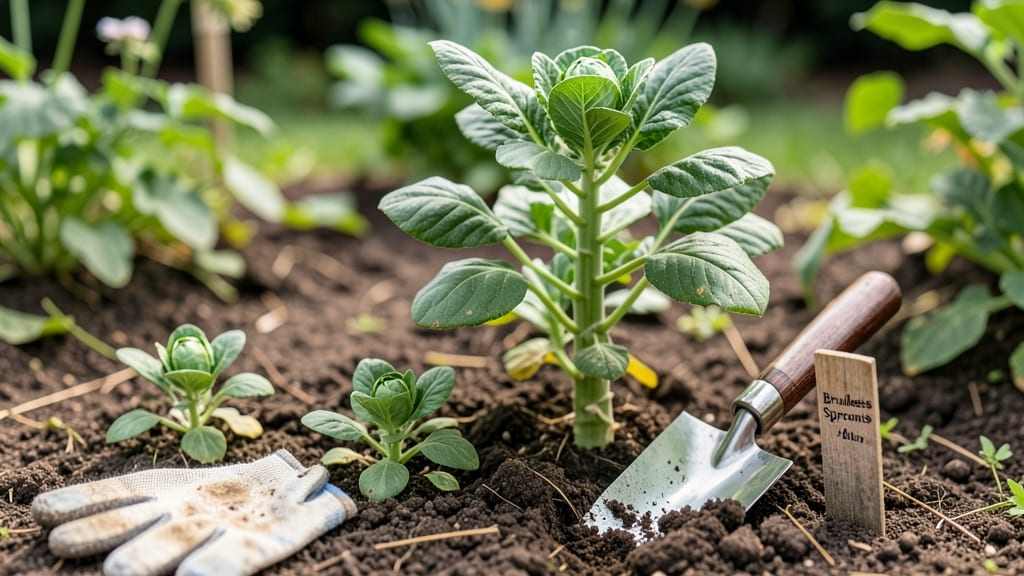
Planting your 🥦 Brussel sprouts at the wrong time in Zone 7 could mean watching your hard work wither before it even starts. Unlike heat-loving veggies, these cool-weather champions demand precision—get the timing off by just a few weeks, and you risk frost damage or bitter-tasting harvests.
For Zone 7 gardeners, the ideal window is surprisingly short but packed with opportunity: late April to early May for spring planting, or July to August for a fall harvest.
This isn’t just about avoiding frost—it’s about giving your sprouts the perfect 90-day growing window they need to mature before winter sets in.
Here’s the game-changer: whether you’re starting with transplants or direct sowing, soil temperature matters just as much as calendar dates. Too cold, and your seeds won’t germinate; too warm, and you’ll trigger early bolting.
I’ll walk you through the exact conditions to watch for, plus how to adjust for your specific sub-zone (7a vs. 7b).
Ready to go from guesswork to guaranteed harvests? Let’s break down the exact months, frost risk dates, and pro tips to stretch your growing season—because in Zone 7, timing isn’t just important, it’s everything.
Optimal planting windows for brussel sprouts in Zone 7 (with frost risk dates)
Brussel sprouts are cool-weather lovers, and getting their planting timing right in Zone 7 is key to avoiding frost damage while maximizing your harvest. The last average frost date in Zone 7 is around April 15, while the first frost typically arrives by October 20.
This gives you two prime planting windows: spring and early summer for a fall harvest.
In Zone 7, the ideal soil temperature for planting brussel sprouts is between 45°F and 85°F. If you plant too early, seedlings may rot in cold soil, while planting too late can result in bitter sprouts before frost.
Let’s break down the exact windows and strategies to extend your harvest season.
For a spring harvest, start seeds indoors 6-8 weeks before your last frost date (around March 1 in Zone 7). Transplant seedlings outdoors once soil temperatures reach 45°F and all frost risk has passed. This ensures your plants mature before summer heat sets in, which can cause bolting.
If you prefer a fall harvest, focus on planting between July and early August. This timing allows your brussel sprouts to mature in the cooler autumn months, avoiding the heat stress of late summer. Choose cold-hardy varieties like 'Long Island Improved' or 'Ruby Ball' for better frost tolerance.
To extend your harvest, consider succession planting every 2-3 weeks during your ideal windows. This staggered approach ensures a continuous supply of fresh sprouts from October through December, even as temperatures drop. Just be sure to protect young plants with row covers if frost threatens.
Soil temperature is just as critical as air temperature. Use a soil thermometer to confirm your garden bed is above 50°F before planting. Cold soil can delay germination and stunt growth, so consider using black plastic mulch to warm the soil faster in early spring plantings.
In Zone 7b (warmer sub-zone), you may have slightly later frost dates, pushing your ideal planting window to mid-May for spring and early September for fall. Always check your local microclimate—areas near water or hills may experience frost earlier or later than average dates.
For direct sowing, plant seeds ½ inch deep and 18-24 inches apart in rows spaced 30 inches apart. If using transplants, space them 18-24 inches apart in all directions. This spacing gives plants room to grow and improves airflow, reducing disease risk.
Remember, brussel sprouts need full sun (6+ hours daily) and well-draining soil with a pH of 6.0-7.0. Amend your soil with compost before planting to ensure nutrient-rich conditions for strong growth. A little extra care in timing and soil prep will reward you with a bountiful, frost-resistant harvest.
How to extend your brussel sprout harvest in Zone 7 (succession planting guide)
Succession planting is the secret to enjoying fresh Brussel sprouts from late fall through winter in Zone 7. By staggering your plantings, you can avoid a single overwhelming harvest and enjoy homegrown sprouts for months. The key is timing—plant in two waves to maximize your garden's potential.
Zone 7's climate allows for two ideal planting windows: early spring and early summer. Each wave should be spaced 8-10 weeks before your first frost date (typically October 20 in Zone 7). This ensures your plants mature just as temperatures drop, which actually improves flavor.
📅 Succession Planting Schedule for Zone 7
- Wave 1: April 15-30 (8-10 weeks before first frost) - Direct sow or transplant semi-dwarf varieties like 'Long Island Improved' for early harvests.
- Wave 2: July 1-15 (6-8 weeks before first frost) - Plant standard varieties like 'Ruby Ball' for later harvests and winter storage.
- Bonus Wave: August 15-30 (4-6 weeks before first frost) - Quick-maturing varieties like 'Tasty Purple' for a late-season harvest.
- Spacing: 18-24 inches apart in rows 30 inches apart to allow air circulation and prevent disease.
- Soil Prep: Amend with compost and balanced fertilizer (5-10-10) at planting and again 4-6 weeks later.
For Wave 1, focus on semi-dwarf varieties that mature in 80-90 days. These will be ready for harvest in late September and can continue producing until November. Choose 'Long Island Improved' or 'Jade Cross'—both handle Zone 7's cool nights beautifully.
Your Wave 2 planting in early July should use standard varieties like 'Ruby Ball' or 'Corvette', which take 90-100 days to mature. These will be ready for harvest in late October and can last through December if protected by row covers during hard frosts.
Don't forget to harvest regularly—pick lower sprouts first to encourage upward growth. Use a sharp knife to cut individual sprouts when they're 1-2 inches wide and deep green. This method keeps your plants producing for 6-8 weeks after the first harvest.
Pro tip: Mulch heavily around your plants in late September to insulate roots and protect against early frosts. A 4-inch layer of straw can extend your harvest by 2-3 weeks in Zone 7's unpredictable fall weather. 🥦