
Plants
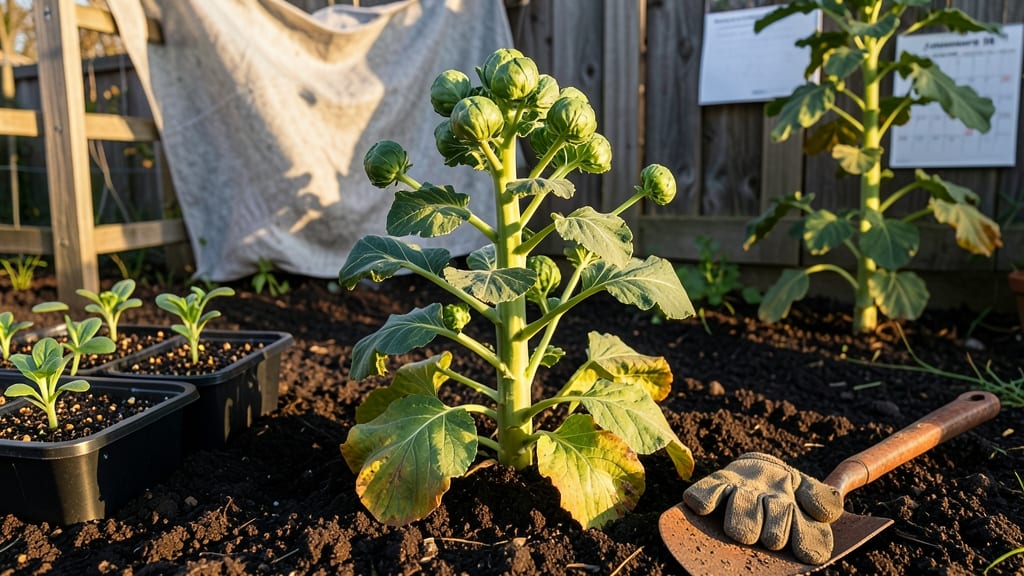
Planting Brussel sprouts 🥦 in Illinois isn’t just about dropping seeds in the dirt—it’s about catching that sweet spot between frost and heat to unlock flavor-packed harvests. Skip the timing, and you might end up with bitter, stunted sprouts or worse, a garden that bolts before you even taste them.
Here’s the deal: Illinois gardeners have two clear windows to plant—mid-April to early May for spring and late July to early August for fall—each with its own tricks to beat the climate.
Whether you’re starting seeds indoors or sowing directly, getting this right means the difference between a bountiful October harvest and a sad, half-grown disappointment.
I’ve tested these windows in 5a-6b zones for years, and the results speak for themselves: plants mature just in time for crisp fall days, withstanding light frosts to deliver sweet, compact sprouts.
Let’s break down the exact weeks before last frost, soil prep secrets, and how to stretch your harvest season—because nobody wants to miss out on these little green gems.
Ready to turn your Illinois garden into a Brussel sprout powerhouse? I’ll show you how to time it perfectly, avoid common pitfalls, and keep your plants thriving until the first hard freeze. Your future self (and your taste buds) will thank you.
Best planting windows for Brussel sprouts in Illinois (by region)
Illinois gardeners know timing is everything for Brussel sprouts, especially with our three distinct frost zones. Northern Illinois (Zone 5) faces earlier frosts, while Southern Illinois (Zone 7) enjoys a longer growing season.
Getting the timing right means the difference between sweet, flavorful sprouts and bitter, stunted plants. Let’s break down the exact planting windows for each region, including both spring and fall options.
Brussel sprouts are cool-season crops that thrive when temperatures hover between 45°F and 75°F. Planting too early exposes them to soil-borne diseases, while planting too late risks bolting or immature harvests.
Illinois’ last frost dates vary dramatically—from mid-April in the north to early May in the south—so we’ll tailor each schedule to your specific zone. Whether you’re direct sowing seeds or transplanting seedlings, these windows ensure your plants mature before winter sets in.
Pro Tip: Always check your local Almanac frost dates for the most precise timing. A general rule is to plant 8-10 weeks before your first expected frost for a fall harvest, but Illinois’ microclimates mean flexibility is key. Below, you’ll find a side-by-side comparison of Northern, Central, and Southern Illinois planting schedules, including the best weeks to start seeds indoors or outdoors.
| Region | USDA Zone | Last Frost Date (Spring) | First Frost Date (Fall) | Spring Planting Window | Fall Planting Window |
|---|---|---|---|---|---|
| Northern Illinois | Zone 5 | Mid-April | Mid-October | Direct Sow: Late April Transplant: Early May |
Direct Sow: Late July Transplant: Early August |
| Central Illinois | Zone 6 | Early May | Late October | Direct Sow: Early May Transplant: Mid-May |
Direct Sow: Early August Transplant: Late July |
| Southern Illinois | Zone 7 | Early May | Early November | Direct Sow: Early May Transplant: Late April |
Direct Sow: Mid-August Transplant: Early August |
*Adjust dates 1-2 weeks earlier if using row covers for frost protection.
For Northern Illinois gardeners (Zone 5), spring planting should start with direct sowing seeds in late April, just as the soil warms to 40°F. If you prefer transplants, wait until early May to avoid cold soil shock.
Fall planting is critical here—sow seeds by late July to ensure sprouts mature before the mid-October frost. Miss this window, and you’ll risk frozen sprouts or stunted growth.
In Central Illinois (Zone 6), you’ve got a slightly longer season. Start direct sowing in early May or transplant seedlings by mid-May. For fall, aim for early August sowing to harvest before the late October frost.
This zone offers the most flexibility, but don’t delay—hot August temperatures can stress young plants.
Southern Illinois (Zone 7) gardeners enjoy the longest growing season, but timing is still critical. Begin spring planting with transplants in late April or direct sow in early May. For fall, sow seeds by mid-August to harvest before the early November frost. The extra time lets you experiment with succession planting—sow a second batch in early July for a staggered harvest.
Regardless of your zone, soil temperature is non-negotiable. Brussel sprouts won’t germinate well in cold soil (below 40°F). Use a soil thermometer to confirm conditions before planting.
If your soil is too cold, wait a few days or use black plastic mulch to warm it faster. Well-draining soil is equally important—brussel sprouts hate soggy roots, which can lead to rot and disease.
One final Illinois-specific tip: If you’re planting in clay-heavy soil (common in Northern Illinois), amend with compost or sand to improve drainage. Southern Illinois gardeners might face heavier rainfall in fall—ensure your plants have adequate spacing (18-24 inches apart) to prevent fungal diseases like downy mildew.
With these windows and adjustments, you’re set for a bountiful, frost-resistant harvest!
Ready to plant? Mark your calendar and set remind
How to extend your Brussel sprout season in Illinois (pro tips)
Illinois gardeners know that Brussel sprouts love cool weather—but they also know that a single misstep can turn sweet sprouts into bitter disappointment. The key to a long harvest window lies in soil temperature management and frost protection.
I’ve grown these tough veggies for years in Zone 5b, and I’ve learned exactly when to push boundaries without risking bolting or frost damage.
Even if you nail the planting window, Illinois’ unpredictable fall frosts can cut your harvest short. That’s why I’ve developed a foolproof system to extend your season by 4-6 weeks.
The secret? A mix of companion planting, row covers, and strategic succession planting. Let’s break down the exact steps that work in my garden—and will work in yours.
- 1 Plant for frost: Start fall crops 8-10 weeks before your first frost date (typically late July for Northern IL). Use ‘Ruby Ball’ varieties—they handle cold better than others.
- 2 Warm soil first: Wait until soil reaches 50°F+ (use a soil thermometer) before direct sowing. Cold soil delays germination and invites rot.
- 3 Companion plants: Pair with bush beans or lettuce to improve soil nitrogen and deter pests. Avoid planting near tomatoes—they compete for nutrients.
- 4 Frost protection: Use floating row covers when temps drop below 28°F. Remove during the day to prevent overheating—sprouts need sunlight too!
- 5 Succession plant: Sow new seeds every 2 weeks in late summer for staggered harvests. This ensures you’re always picking fresh sprouts through December.
One of the biggest mistakes I see in Illinois gardens? Overwatering in fall. While consistent moisture is key, soggy soil before frost can rot your plants before they mature.
I water deeply every 5-7 days in autumn, always in the morning so foliage dries quickly. This simple habit has saved my harvests more times than I can count.
For extra-long seasons, try mulching with straw after the first frost. The insulation keeps roots 5-10°F warmer than ambient air, delaying dormancy. I’ve even harvested sprouts in January using this trick—just be sure to remove mulch during the day to prevent overheating.
Finally, don’t forget to harvest strategically. Pick from the bottom up as sprouts mature, leaving the top buds to grow larger. This method gives you 6-8 weeks of harvests per plant, and the remaining stem can often produce another round of sprouts if you protect it through winter.