
Plants
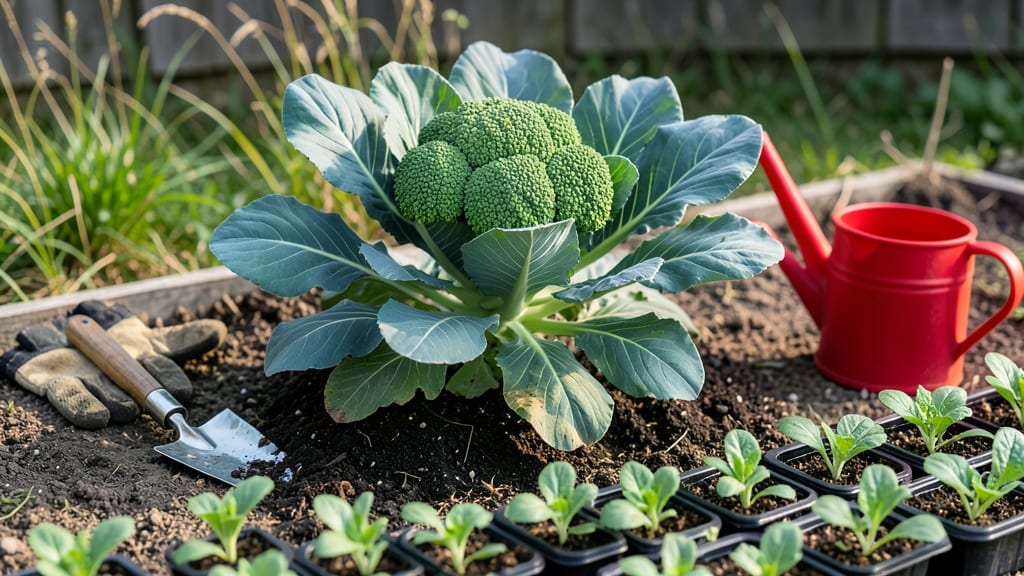
Planting broccoli in Zone 9 at the wrong time means skipping out on that homegrown harvest you crave—especially when summer heat can send your 🥦 racing toward bolting instead of forming heads.
The key isn’t just avoiding frost (which rarely happens here) but mastering the cool-season window that keeps your plants thriving.
If you’ve ever watched your broccoli bolt before producing a single edible floret, you know how frustrating it can be.
In Zone 9, the trick is planting when temperatures dip into that ideal 60-75°F range, which means timing your seeds for late summer or early winter—just as the heat starts to ease.
This isn’t just about throwing seeds in the dirt; it’s about working with your microclimate, whether you’re in the coastal breeze of Southern California or the desert heat of Arizona.
What I’ve learned from years of trial and error is that the right variety and a few smart adjustments can make all the difference. You’ll discover how to choose heat-resistant types, when to mulch for moisture, and which companion plants keep pests at bay.
By the end, you’ll have a clear plan to turn your garden into a year-round broccoli powerhouse—no more wasted seeds or bolted plants.
Let’s break down the exact planting windows, soil prep secrets, and microclimate tweaks that’ll give you a harvest from December through March. Ready to grow broccoli that actually stays cool, crisp, and ready to eat?
Best planting windows for broccoli in Zone 9: seasonal breakdown for maximum yield
Broccoli thrives in Zone 9 when planted during cooler months, but timing is everything to avoid heat stress and bolting. Unlike frost-prone zones, Zone 9 gardeners must focus on soil temperature and microclimates to extend the growing season.
The key is planting when daytime temps stay below 75°F—this prevents your broccoli from flowering prematurely.
Most gardeners in Southern California, Arizona, or Nevada plant broccoli in late summer through early winter, but the exact timing depends on your local heat patterns. For example, coastal areas like San Diego can plant earlier than inland desert regions like Phoenix, where summer heat lingers longer.
Understanding these differences is critical for a successful harvest.
Here’s a quick reference for optimal planting windows in Zone 9, including soil temperature targets and heat tolerance tips:
| Season | Planting Window | Soil Temp (°F) | Daytime Temp (°F) | Heat Tips |
|---|---|---|---|---|
| Late Summer | Late August - Early September | 60-65°F | 70-78°F | Use shade cloth for seedlings; water deeply at soil level. |
| Fall | September - November | 55-65°F | 65-75°F | Ideal window—plant after Labor Day for best results. |
| Winter | December - January | 50-60°F | 55-68°F | Protect from cold snaps with row covers; no frost risk in Zone 9. |
| Spring (Risky) | Avoid (unless using shade) | N/A | 75°F+ | Bolting risk—only plant with 50% shade cloth and extra water. |
Fall planting is your best bet for broccoli in Zone 9, with September and October being the sweet spot. Aim to transplant seedlings when soil temperatures drop below 70°F—this triggers steady growth without stress.
For example, in Los Angeles, early September plantings often yield mature heads by December, just in time for holiday meals.
If you’re in a desert microclimate like Yuma or Palm Springs, extend your fall window into early November to escape the lingering summer heat. Monitor your garden’s shade patterns—even a few hours of afternoon shade can make the difference between a thriving plant and one that bolts.
Use drip irrigation to keep soil moisture consistent, as drought stress is a common trigger for bolting.
Winter plantings in December and January work well in cooler coastal areas, but avoid planting too late—broccoli needs 60-80 days to mature, and temperatures above 70°F in late winter can still cause stress.
For example, San Diego gardeners might push plantings into early February, while Phoenix gardeners should stick to November to avoid heat spikes.
Spring planting is high-risk in Zone 9 unless you’re using shade cloth or growing heat-tolerant varieties like ‘De Cicco’. Even then, broccoli planted in March or April will likely bolt by May when temps climb above 80°F.
Instead, focus on succession planting in fall and winter for continuous harvests.
To extend your broccoli season, try interplanting with fast-growing crops like radishes or lettuce. These act as living mulch, keeping soil cool and retaining moisture.
For example, plant radishes between broccoli rows—they’ll mature in 30 days, giving you an early harvest while protecting your broccoli from heat stress.
Always test your soil temperature before planting—use a soil thermometer to ensure it’s below 70°F at a 4-inch depth. If temps are too high, delay planting or use shade fabric to cool the soil.
Remember, consistent moisture is key—broccoli hates dry spells, so mulch heavily with straw or wood chips to lock in humidity.
With the right timing and a few heat-management tricks, you can enjoy homegrown broccoli in Zone 9 year-round—just avoid the summer heat, and your plants will reward you with tender, flavorful heads all winter long. 🥦
How to adjust broccoli planting for Zone 9 microclimates: urban vs. rural heat zones
Zone 9’s diverse microclimates—from urban heat islands to coastal breezes and desert inland zones—create unique challenges for broccoli growers. Without adjustments, your plants may bolt prematurely or struggle with moisture retention.
The key is understanding how to modify planting times, shade strategies, and companion plantings based on your specific location. I’ve grown broccoli in both Los Angeles’ urban sprawl and Phoenix’s desert edges, and these adjustments make all the difference.
In urban areas, asphalt and concrete trap heat, raising soil temperatures by 10-15°F compared to rural zones. This means delaying fall plantings by 2-3 weeks to avoid heat stress. Meanwhile, coastal regions benefit from moderating ocean breezes, allowing earlier spring plantings.
Inland desert zones? You’ll need extra shade cloth and drip irrigation to prevent wilting. Let’s break down the practical adjustments for each microclimate.
🌡️ Zone 9 Microclimate Adjustments for Broccoli
- Urban Heat Islands: Plant 2-3 weeks later (late Sept-Oct) and use white mulch to reflect heat. Avoid south-facing beds.
- Coastal Breezes: Start seeds 4 weeks earlier (late Aug) and stake plants to handle wind. Use lightweight shade cloth (30%) in summer.
- Inland Deserts: Plant under 50% shade cloth and water twice daily (morning/evening). Choose dwarf varieties like 'Green Magic'.
- All Microclimates: Use 3-4 inches of straw mulch to retain moisture and companion plants like bush beans (fix nitrogen) or dill (repel pests).
For urban gardens, I recommend raised beds filled with 50% compost to improve drainage and cool roots. Add a 1-inch layer of hydro-mulch (like coconut coir) to reduce evaporation. In my San Diego urban plot, this combo delayed bolting by 10 days compared to in-ground planting.
Pair broccoli with lettuce or spinach—they thrive in the same cool conditions and provide living shade for the broccoli’s lower leaves.
In coastal zones, take advantage of natural humidity by planting near drip irrigation lines and using black plastic mulch to warm soil slightly in winter. I’ve had success with succession planting every 3 weeks from September to November, ensuring a continuous harvest.
Just watch for slugs—coastal areas often have higher moisture levels, so set out beer traps or copper barriers.
Desert microclimates demand the most creativity. I’ve used 5-gallon buckets filled with cactus soil mix (50% sand, 30% compost, 20% perlite) for container-growing success. Add ice cubes to the soil at planting to slow heat absorption, and water deeply at dusk to minimize evaporation. Avoid overhead watering—it leads to fungal issues in the heat. Instead, use soaker hoses buried under mulch.
No matter your microclimate, monitor soil temperature—broccoli roots thrive in 60-75°F soil. Use a soil thermometer (they’re cheap!) to time plantings. In urban areas, soil can hit 90°F+ by midday, so plant in the late afternoon and water heavily before sunset.
For coastal or desert zones, aim for early morning planting when temps are cooler. With these tweaks, you’ll avoid bolting and enjoy crisp, flavorful broccoli year-round.
Remember: Companion planting is your secret weapon. In urban gardens, pair broccoli with marigolds (pest deterrent) and nasturtiums (edible and shade-providing). In desert zones, rosemary and thyme thrive alongside broccoli and reduce water needs by up to 30%.
Start small, experiment, and adjust—your Zone 9 broccoli patch will thank you with bountiful harvests! 🥦🌿