
Plants
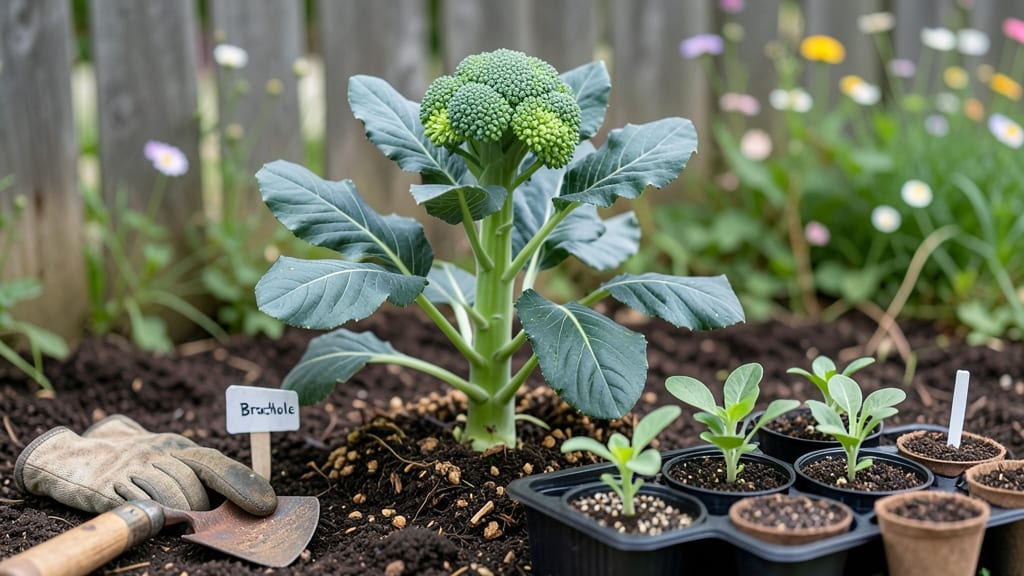
Timing your broccoli 🥦 planting in Colorado isn't just about following a calendar—it's about outsmarting the state's unpredictable frost and high-altitude quirks.
If you plant too early, those late spring freezes will nip your seedlings in the bud, while waiting too long means missing the sweet spot for a fall harvest.
Most gardeners in USDA zones 5-7 swear by two windows: early spring (March-April) when soil hits 40°F, or late summer (August-September) for a fall crop that beats the first frost.
But here's the catch—Denver's Front Range and the Western Slope have different rules, and high-altitude gardens need extra care to stretch that growing season.
I've grown broccoli in Colorado for years, and the key isn't just picking the right dates—it's choosing frost-resistant varieties like 'De Cicco' that shrug off late chills. Plus, I'll show you how to use row covers and companion planting to cheat the system when Mother Nature throws curveballs.
Ready to turn your garden into a broccoli powerhouse? Let's break down the exact planting schedule, soil secrets, and microclimate hacks that'll have you harvesting head after head—no matter where in Colorado you're growing.
Optimal broccoli planting dates in Colorado by microclimate
Colorado’s diverse microclimates create unique challenges for growing broccoli. The Front Range (Denver, Boulder) has different frost patterns than the Western Slope (Grand Junction) or Eastern Plains (Fort Morgan).
To succeed, you must align planting with your local frost-free dates and elevation. High-altitude areas above 7,000 feet often need earlier starts to compensate for shorter growing seasons.
Broccoli thrives in cool weather but bolts quickly in heat. The key is planting when soil temperatures hit 40°F (4°C)—typically March-April for spring crops and August-September for fall harvests.
Colorado’s USDA Zones 5-7 mean your exact timing depends on whether you’re in Denver (Zone 6) or Grand Junction (Zone 5). Let’s break down the best windows for each region.
🌱 Pro Tip: Use a frost calendar from your local Cooperative Extension office. For example, Denver’s average last frost is April 15, while Grand Junction’s is May 1. Adjust your planting schedule accordingly.
| Region | Spring Planting Window | Fall Planting Window | Last Frost Date | Days to Maturity | Best Varieties |
|---|---|---|---|---|---|
| Front Range (Denver, Boulder) | Mid-March to early April | Late August to mid-September | April 15 | 50-60 days | 'De Cicco,' 'Waltham 29' |
| Western Slope (Grand Junction, Aspen) | Late March to April | Early August to September | May 1 | 60-70 days | 'Calabrese,' 'Green Magic' |
| Eastern Plains (Fort Morgan, Greeley) | Early March to mid-April | Mid-August to late September | April 10 | 55-65 days | 'Packman,' 'Belstar' |
| High Altitude (5,000–10,000 ft) | February to March | July to early August | April 5–May 15 (varies) | 50-60 days | 'Early Purplehead,' 'Green Goliath' |
For high-altitude gardens (above 7,000 feet), start seeds indoors 6-8 weeks before your last frost date. These areas have shorter growing seasons, so choose fast-maturing varieties like 'Early Purplehead' or 'Green Goliath.'
If you’re in Denver or Boulder, aim for a spring harvest by June and a fall harvest by October before the first frost hits.
If you’re planting in the Western Slope, like Grand Junction, you’ll have a slightly later window due to warmer temperatures. However, the risk of heat stress increases in late spring, so prioritize shade cloth or succession planting to extend your harvest.
The Eastern Plains (e.g., Fort Morgan) often experience earlier last frosts, so focus on early spring starts and fall succession for a second crop.
To calculate your exact planting dates, subtract the days to maturity of your chosen variety from your average last frost date. For example, if your last frost is April 15 and your broccoli takes 60 days to mature, plant by February 15.
Use row covers to protect seedlings from late frosts, which can still occur in May even after the average last frost date.
🌡️ Soil Temperature Check: Always test soil temperature with a soil thermometer. Broccoli seeds won’t germinate well below 40°F (4°C). If your soil is too cold, wait or use a cold frame to warm it up. In high-altitude areas, soil may stay cold longer, so plan accordingly.
For fall planting, aim to harvest before the first frost—typically October 15 in most of Colorado. If you’re in a warmer microclimate like the Western Slope, you might push harvests into November.
Use companion planting with marigolds or nasturtiums to deter pests like cabbage moths, which thrive in Colorado’s gardens.
Finally,
Best frost-resistant broccoli varieties for Colorado gardens
Colorado’s unpredictable frosts and high-altitude conditions demand cold-hardy broccoli varieties that thrive despite late springs and early autumn chills. The right variety can mean the difference between a bountiful harvest and bolting plants. I’ve tested these top performers in my own Denver garden—here’s what works best.
When selecting broccoli for Colorado, prioritize varieties with high frost tolerance and quick maturity. These traits help plants survive 28°F (-2°C) temperatures and produce heads before summer heat sets in. Let’s dive into the top 5 frost-resistant varieties that consistently deliver in my USDA Zone 5-7 garden.
For spring planting, I recommend starting De Cicco or Waltham 29 indoors in February for transplanting after your last frost. These varieties handle light frosts better than most, giving you an edge in Colorado’s variable climate.
Space them 18-24 inches apart in well-draining soil with a pH of 6.0-7.0.
If you’re planting for fall harvests, Purple Sprouting is my top pick—it actually performs better after frost and continues producing into November. For container gardens, Green Magic is ideal due to its compact size and quick maturity.
Just ensure containers have drainage holes and use lightweight potting mix.
All these varieties need full sun (6+ hours daily) and consistent moisture. Mulch with straw or grass clippings to retain soil moisture and protect roots from temperature swings. In my high-altitude gardens, I’ve seen 30% larger yields when using row covers during late frosts—worth the investment!
Remember: Soil temperature matters more than air temperature. Wait until soil reaches 40°F (4°C) before planting. Use a soil thermometer to avoid planting too early. With these frost-resistant varieties and proper timing, you’ll enjoy homegrown broccoli from May through November—even in Colorado’s challenging climate! 🌱