
Trees
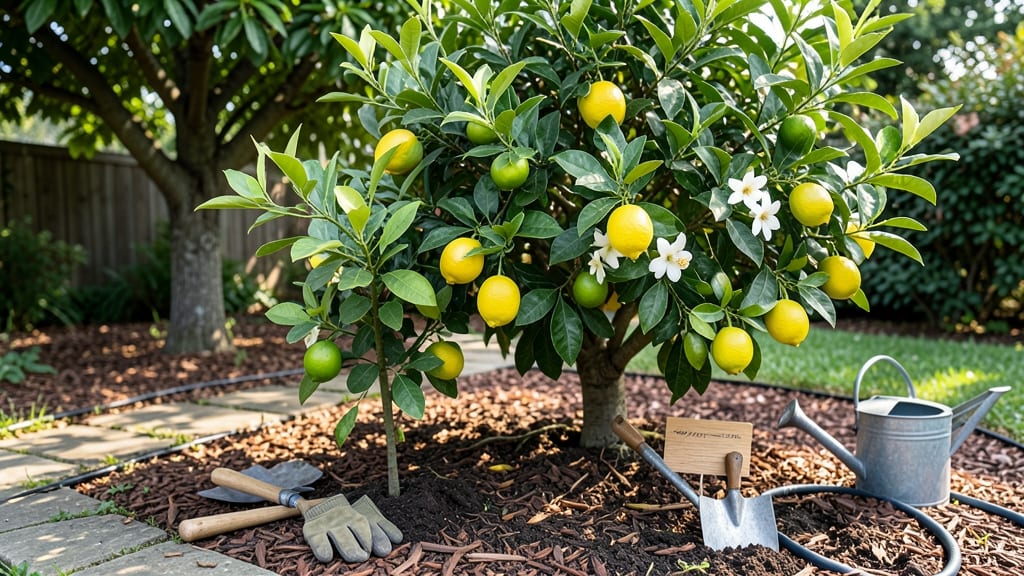
Planting 🍊 citrus trees in Southern California might seem simple—after all, frost is rare—but timing matters more than you’d think. Skip the wrong window, and your tree could struggle with heat stress or poor root establishment, even in 9b-11 zones.
Here’s the secret: the best planting windows shift depending on where you live—whether you’re in coastal Santa Barbara or the inland desert. I’ll break down exactly when to plant for zero frost risk, plus how to adjust for microclimates that can make or break your tree’s success.
You’ll learn why late winter to early spring is ideal for most areas, how to spot the perfect spot for drainage, and even how container planting changes the game. Let’s get your citrus off to the strongest start possible.
No more guessing—just proven strategies to grow thriving trees that bear fruit year-round. Ready to dig in?
Best planting months for citrus trees in Southern California’s zero frost zones
Southern California’s zero frost risk in most areas makes it ideal for growing citrus trees year-round—but timing still matters. The best planting windows align with cooler temperatures and optimal soil moisture, ensuring strong root establishment before summer heat arrives.
Whether you're planting in Coastal, Inland Empire, or Desert zones, understanding these windows can mean the difference between a thriving tree and a struggling one.
Citrus trees thrive when planted during late winter to early spring (January–March) or late fall (October–November). These periods offer mild temperatures (50°F–75°F) and lower evaporation rates, reducing transplant shock.
In-ground planting benefits from soil warmth in spring, while container planting can extend slightly into summer if shaded and watered consistently. Let’s break down the optimal planting months by region to maximize success.
In Coastal regions, like San Diego and Santa Barbara, the optimal window is January–March, when temperatures hover between 55°F–70°F. Coastal areas benefit from higher humidity, reducing transplant stress, but winter rains require well-draining soil to prevent root rot.
If planting in containers, choose varieties like Improved Meyer lemon or Calamondin orange, which adapt well to pot life and can be moved indoors during rare cold snaps.
For the Inland Empire (Riverside, Temecula), shift planting to February–April or September–October to avoid the extreme heat of summer. Soil here tends to be clay-heavy, so amending with sand or perlite improves drainage.
Container gardeners should prioritize larger pots (20+ gallons) and provide afternoon shade during peak summer months to prevent heat shock.
The Desert presents unique challenges with its hot days and cold nights. Plant in November–January or early September to align with cooler temperatures (45°F–65°F). Desert soils often lack organic matter, so mulching deeply (3–4 inches) with wood chips or straw retains moisture.
For containers, use fast-draining mixes designed for cacti/succulents and monitor soil moisture daily during summer.
Urban microclimates, like those in Los Angeles or San Bernardino, combine elements of coastal and inland conditions. Plant in January–February or October–November, focusing on dwarf varieties for containers.
Urban soil is often compacted and nutrient-poor, so enrich it with compost and mycorrhizal fungi to support root growth. If planting in-ground, choose a south-facing location to
How microclimates affect citrus planting timing in SoCal
Southern California’s diverse microclimates create unique opportunities—and challenges—for citrus growers. While most of SoCal enjoys zero frost risk, temperature variations between coastal areas, inland valleys, and desert regions can shift optimal planting windows by weeks or even months.
Understanding these differences helps you avoid heat stress in summer or chilly slowdowns in winter.
For example, coastal cities like Santa Barbara experience cooler, foggy winters that delay planting, while inland areas like Temecula can plant earlier due to milder conditions. Desert microclimates near Palm Springs offer year-round planting but require extra care during summer’s 110°F+ heatwaves.
Let’s break down how to adjust your citrus planting schedule for each microclimate.
🌱 Microclimate-Specific Citrus Planting Guide
-
🌊 Coastal Fog Zones (e.g., San Diego, Santa Barbara)
Planting Window: February–March (avoid January’s cooler, damp soils). Coastal fog can delay soil warming, so wait until average temps exceed 55°F. Meyer lemons thrive here but may need wind protection from ocean breezes. -
🏜️ Desert Microclimates (e.g., Palm Springs, Joshua Tree)
Planting Window: October–November or March–April. Avoid summer planting—heat stress kills young roots. Use drip irrigation and shade cloth for the first 60 days. Sour oranges and kumquats are drought-tolerant picks. -
🏙️ Urban Heat Islands (e.g., Los Angeles, San Bernardino)
Planting Window: January–February or September–October. Urban areas can be 5–10°F hotter than rural zones, so plant 2 weeks earlier than coastal areas. Dwarf varieties (like Calamondin) handle heat better in containers. -
🌡️ Valley Cold Pockets (e.g., Temecula, Riverside)
Planting Window: January–early March. Valleys like Temecula can drop to 35°F at night, so plant lemon and lime trees in sheltered spots or use windbreaks. Avoid planting after March 15th—summer heat arrives fast. -
🌿 Container Gardening (Any Microclimate)
Planting Window: Year-round (with adjustments). Containers heat up faster, so plant lemon trees in spring and oranges in fall. Use 5-gallon pots minimum and well-draining mix to prevent root rot. Move pots to shadier spots in summer if temps exceed 90°F.
Pro Tip: Check local USDA Zone 9b–11 frost maps, but remember—microclimates override zone averages. For example, Pasadena (Zone 10a) can feel like Zone 8 in winter due to elevation.
In coastal fog zones, the delay in soil warming means you’ll want to hold off until late winter. I’ve seen Meyer lemons planted in January struggle with root rot from soggy, cold soil—so wait until February when temps consistently stay above 55°F.
Pair this with well-draining soil and a south-facing slope to maximize warmth.
For desert microclimates, the key is avoiding summer’s brutal heat. I recommend planting in fall or early spring when temperatures are mild.
Use mulch to retain moisture and drip irrigation to keep roots cool. Satsuma mandarins are my top pick for desert zones—they tolerate heat better than most citrus varieties.
If you’re in an urban heat island, like Los Angeles, the city’s concrete and asphalt can create microclimates that are 10°F hotter than surrounding areas. This means you can plant 2–3 weeks earlier than coastal gardeners. Just be prepared to water deeply and provide afternoon shade during summer months.
Finally, valley cold pockets like Temecula require extra attention. While they’re frost-free, cool nights can slow growth. Plant dwarf citrus varieties near south-facing walls to capture warmth. I’ve had great success with Improved Meyer lemons in these areas—they handle the cooler temps better than standard varieties.
No matter your microclimate, always acclimate young trees for 1–2 weeks before planting by hardening them off in partial shade. This reduces transplant shock, especially in hot or windy conditions. With these adjustments, your citrus trees will thrive year-round in Southern California’s diverse landscapes. 🌿