
Plants
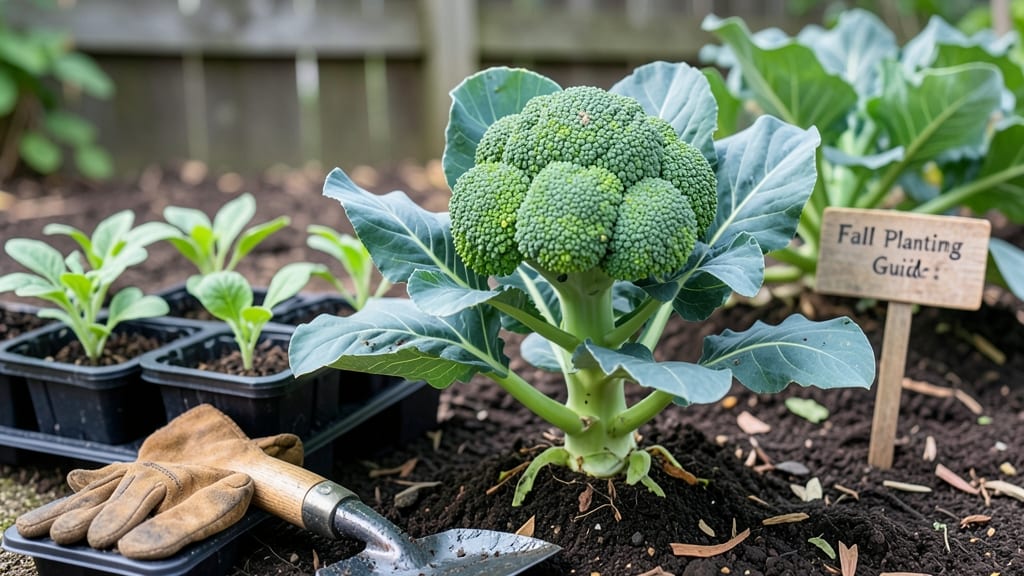
Planting broccoli at the wrong time in Zone 8b can turn your 🥦 dreams into a bitter disappointment—either bolting too fast or rotting in unexpected frost. The key to success lies in timing it just right, when temperatures cooperate but pests don’t take over.
In Zone 8b’s mild winters, you’ve got two prime windows to plant: early fall (August–September) for a late fall harvest or late winter (January–February) for spring. But here’s the catch—coastal areas might have slightly different frost risks than inland spots, so knowing your microclimate makes all the difference.
Whether you’re direct-sowing seeds or transplanting seedlings, I’ll walk you through the exact steps to avoid common mistakes. You’ll learn how to stretch your growing season, pick the right varieties, and even use row covers to protect your plants when temperatures dip.
Ready to grow broccoli that thrives? Let’s dive into the optimal planting schedule that actually works in Zone 8b—no guesswork, just results.
Best planting windows for broccoli in Zone 8b’s mild climate
Zone 8b’s mild winters and extended growing seasons create a unique opportunity for two broccoli harvests per year—but timing is everything. Plant too early, and you risk bolting from heat; too late, and frost can damage tender seedlings. The key is leveraging cool-season windows while avoiding summer’s intensity.
Unlike colder zones, Zone 8b’s last frost date typically falls around December 15, while the first frost arrives around January 15. This narrow window means fall and winter planting are your best bets, with a strategic spring option for early varieties.
Coastal areas may enjoy 2–4°F warmer microclimates, delaying frost by weeks.
| Planting Method | Ideal Planting Window | Soil Temp Threshold | Days to Harvest | Key Considerations |
|---|---|---|---|---|
| Direct-Sown Fall | August 15–September 15 | 50–60°F (10–15°C) | 50–70 days | Harvest before first frost (Jan 15). Use cold-hardy varieties like 'De Cicco'. |
| Transplanted Fall | September 1–October 15 | 45–55°F (7–13°C) | 60–80 days | Start seeds indoors 6–8 weeks before transplanting. Protect with row covers if frost threatens. |
| Direct-Sown Winter | January 1–February 15 | 40–50°F (4–10°C) | 60–75 days | Best for coastal Zone 8b. Use mulch to insulate roots. Harvest by April. |
| Transplanted Spring | February 15–March 15 | 50–60°F (10–15°C) | 70–80 days | Risk of bolting if planted too late. Choose fast-maturing varieties like 'Calabrese'. |
For direct-sown broccoli, aim for August–September to harvest before frost. Seedlings need 50–60°F soil to germinate, so wait until nighttime temps stay above 45°F. Inland areas should plant 2 weeks earlier than coastal zones, which benefit from warmer microclimates.
Transplants offer more flexibility. Start seeds indoors 6–8 weeks before outdoor planting to give them a head start. Harden off seedlings by gradually exposing them to outdoor temps for 1–2 weeks before transplanting. Use 18-inch spacing between plants to prevent competition and improve air circulation.
Soil temperature is critical—broccoli seeds won’t germinate below 40°F. Use a soil thermometer to confirm conditions. If temps drop unexpectedly, cover seedlings with frost blankets or row covers. In Zone 8b, January–February is ideal for winter crops, but monitor forecasts for unexpected cold snaps.
Bolting is a major risk in Zone 8b’s mild winters. To prevent it, choose cold-tolerant varieties like 'Waltham 29' or 'Green Goliath'. Avoid planting near summer’s heat—even a few days above 80°F can trigger bolting.
If you miss the fall window, opt for shade cloth to protect seedlings from afternoon sun.
Succession planting works well in Zone 8b. Sow new seeds every 2–3 weeks from August through October for a staggered harvest. This extends your season and maximizes yield. Pair broccoli with companion plants like bush beans or dill to deter pests like cabbage moths, which thrive in warm winters.
Inland Zone 8b gardeners face slightly harsher frosts than coastal areas. If you’re in a valley or higher elevation, plant 1–2 weeks later than coastal timelines. Test your microclimate by monitoring local frost dates for 2–3 years—your yard’s conditions may vary significantly from official USDA guidelines.
Pro tip: Mark your planting calendar with these key dates—August 15 (fall direct sow), September 1 (fall transplants), January 1 (winter direct sow), and February 15 (spring transplants). Adjust by ±7 days based on your specific microclimate.
How to extend broccoli’s growing season in Zone 8b without risking frost
Zone 8b’s mild winters create a unique opportunity to grow broccoli year-round, but timing is everything. With the right strategies, you can squeeze in 2–3 harvests annually without frost damage.
The key lies in cold-hardy varieties, row covers, and succession planting—all while keeping pests at bay. Let’s break down how to maximize your broccoli yield safely.
First, focus on cold-tolerant varieties like ‘De Cicco’ or ‘Waltham 29’, which thrive in temperatures as low as 25°F.
These varieties are your best bet for fall and winter planting in Zone 8b. Pair them with row covers or low tunnels to shield young plants from unexpected light frosts (below 32°F).
Preparing your soil is just as critical as timing. Broccoli thrives in well-draining, slightly acidic soil (pH 6.0–7.0). Before planting, amend your garden beds with compost or aged manure to enrich the soil with organic matter.
A balanced fertilizer (10-10-10) applied at planting and again 4–6 weeks later will encourage strong head formation.
To deter pests like cabbage loopers and fleabeetles, rotate your crops annually and avoid planting broccoli in the same spot more than once every 3 years.
If pests become an issue, use neem oil or insecticidal soap as a last resort, applying them in the early morning to minimize harm to beneficial insects.
Harvest your broccoli when the head is firm and tight, typically 60–80 days after planting. Cut the head just above the largest side shoots to encourage regrowth.
With the right varieties, timing, and care, you can enjoy fresh broccoli from fall through spring in Zone 8b—no frost required! 🥦