
Flowers
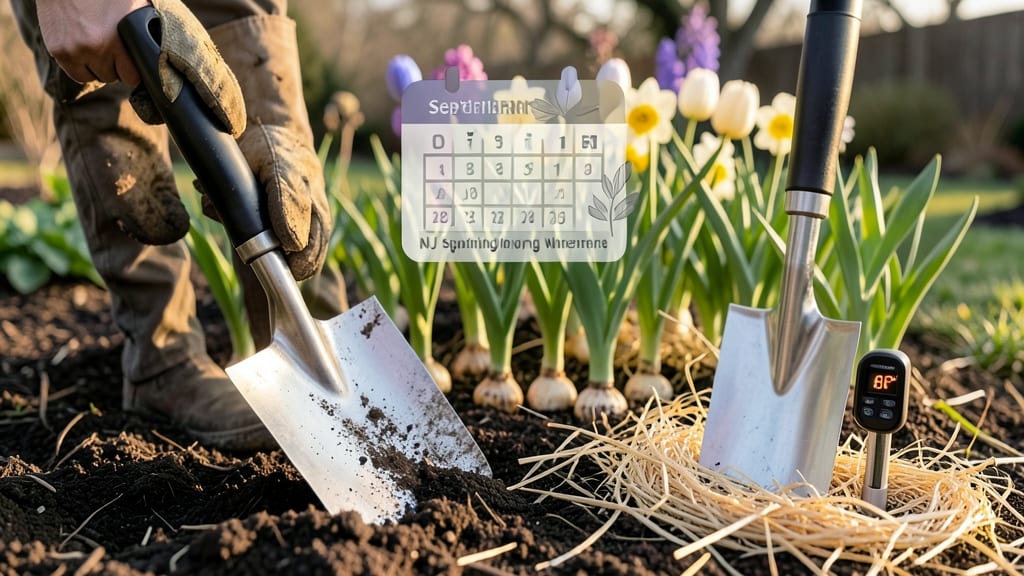
Timing your flower planting in New Jersey can make the difference between a showstopping garden and a sad, frost-killed experiment.
The perfect planting window—whether you're sowing seeds or transplanting 🌸—depends on your region's last frost dates, which vary wildly from North Jersey's chilly Zone 6a to South Jersey's milder Zone 7b.
If you've ever watched your hard work wither overnight after a surprise frost, you know how critical this is. The key is planting annuals after the last frost (usually mid-April in most areas) and perennials in early spring or fall for the strongest start.
But here's the catch: coastal areas like Cape May freeze later than inland spots near Newark, so even neighbors might have different timelines.
I've tested these strategies across NJ's microclimates, and the results speak for themselves—vibrant blooms from April through October with minimal frost damage. Whether you're dreaming of daylilies that thrive in heat or peonies that love cooler springs, this guide gives you the exact months to plant for zero-frost success.
Ready to transform your garden? Let's break down the month-by-month schedule that works for your specific corner of New Jersey, plus pro tips to extend your blooming season well past the first frost warnings.
NJ frost dates by region: exact months to plant flowers for zero-frost success
New Jersey’s frost dates vary dramatically across its three regions—North, Central, and South—making timing everything for frost-free flower success. Whether you're planting cold-hardy annuals like pansies or perennial favorites such as daylilies, knowing your last frost date ensures your flowers thrive without the risk of surprise freezes.
Coastal areas often enjoy 2-3 weeks earlier planting windows than inland zones due to moderating ocean breezes.
For zero-frost success, I recommend starting cold-hardy annuals indoors 6-8 weeks before your region’s last frost date. Meanwhile, perennials and bulbs can often be planted 2-4 weeks earlier since they establish roots slowly.
Below, I’ve broken down the exact frost dates for each NJ region, including adjustments for coastal microclimates where frost arrives 10-14 days later than inland areas.
| Region | Last Frost Date (Avg.) | First Frost Date (Avg.) | Early Spring Sowing Window | Coastal Adjustment |
|---|---|---|---|---|
| North (USDA 6a) | April 15–20 | October 10–15 | March 15–April 5 (indoors) | +10–14 days |
| Central (USDA 6b) | April 5–10 | October 20–25 | March 1–March 20 (indoors) | +7–10 days |
| South (USDA 7a) | March 25–April 5 | November 5–10 | February 20–March 10 (indoors) | +5–7 days |
| Coastal (All Regions) | April 25–May 5 | November 15–20 | March 1–March 15 (outdoors) | N/A (longer season) |
*Adjust for microclimates like valleys (earlier frost) or urban heat islands (later frost).
If you live in North Jersey, aim to transplant tender annuals like marigolds and zinnias after April 20—but don’t wait too long, as summer heat arrives quickly.
For Central NJ, you’ve got a 2-week window between April 10 and April 25 to get heat-loving flowers like sunflowers and cosmos in the ground before soil temperatures rise.
In South Jersey, the earliest last frost of the state means you can start direct-sowing warm-season flowers like nasturtiums as early as March 25 in coastal areas. However, inland South Jersey still faces late frosts into early April, so I recommend using frost cloth for extra protection until mid-April.
For coastal gardeners, the ocean’s influence extends the growing season by 3-4 weeks compared to inland areas. This means you can safely plant tender perennials like geraniums and salvias 2 weeks earlier than inland guidelines.
Just be mindful of salt spray near shorelines, which can damage foliage—opt for salt-tolerant varieties like sea thrift or beach heather.
To maximize your flowering season, I suggest staggered planting: Sow a second batch of seeds 2-3 weeks after your first planting. This ensures continuous blooms from late spring through fall.
For example, plant cosmos seeds in early May for summer blooms, then again in late June for fall color before the first frost.
Pro tip: Use a frost date calculator like the National Gardening Association’s Frost/Freeze Tool to pinpoint your exact last frost date based on your ZIP code. Even a 5-mile difference in elevation can shift frost dates by 3-5 days, so local data is key.
Pair this with a garden journal to track your own frost patterns over time.
Don’t forget
Best flower types to plant in NJ: month-by-month planting schedule for year-round color
New Jersey gardeners know that timing is everything when it comes to flower planting. The right flowers planted at the right time ensure vibrant blooms from spring through fall—even in NJ’s unpredictable climate.
Whether you’re planting annuals for instant color or perennials for long-term beauty, this month-by-month guide will help you create a garden that thrives all season.
From heat-tolerant zinnias that bloom until frost to frost-resistant pansies that survive winter’s chill, we’ll cover the best varieties for each month. Plus, I’ll share my top companion planting tips to maximize blooms and minimize pests—so you can enjoy a garden that’s as healthy as it is beautiful.
🌱 Your NJ Flower Planting Timeline
- 1 March: Start cool-season annuals indoors (like pansies and snapdragons) and plant spring-blooming bulbs (daffodils, tulips). Transplant hardy perennials like daylilies and peonies after soil warms.
- 2 April: Sow direct-seed annuals (marigolds, zinnias, cosmos) after the last frost (mid-April in most of NJ). Plant heat-loving perennials like black-eyed Susans and coneflowers.
- 3 May: Transplant tender perennials (like lavender and salvia) and start summer-blooming annuals (geraniums, petunias). Deadhead early bloomers to encourage continuous flowers.
- 4 June-July: Add heat-tolerant annuals (like portulaca and celosia) and succession-plant fast-growing flowers (basil flowers, nasturtiums) for fall color. Mulch to retain moisture.
- 5 August: Plant fall-blooming bulbs (crocus, allium) and cool-season annuals (pansies, sweet alyssum) for winter interest. Divide crowded perennials to rejuvenate growth.
- 6 September: Sow winter-hardy annuals (like stock flowers) and plant spring-blooming bulbs (tulips, hyacinths) for next year. Add evergreen perennials (like heuchera) for structure.
For year-round color, pair spring bulbs (daffodils, tulips) with summer annuals (zinnias, cosmos) and fall perennials (mums, asters). My favorite companion planting combos include marigolds with tomatoes (pest control) and lavender with rosemary (drought tolerance). These pairings not only look stunning but also boost garden health.
Don’t forget to mulch heavily in fall to protect frost-sensitive roots and water deeply before the first freeze. With this schedule, your NJ garden will burst with color from March through November—no frost-related disappointments here! 🌷