
Plants
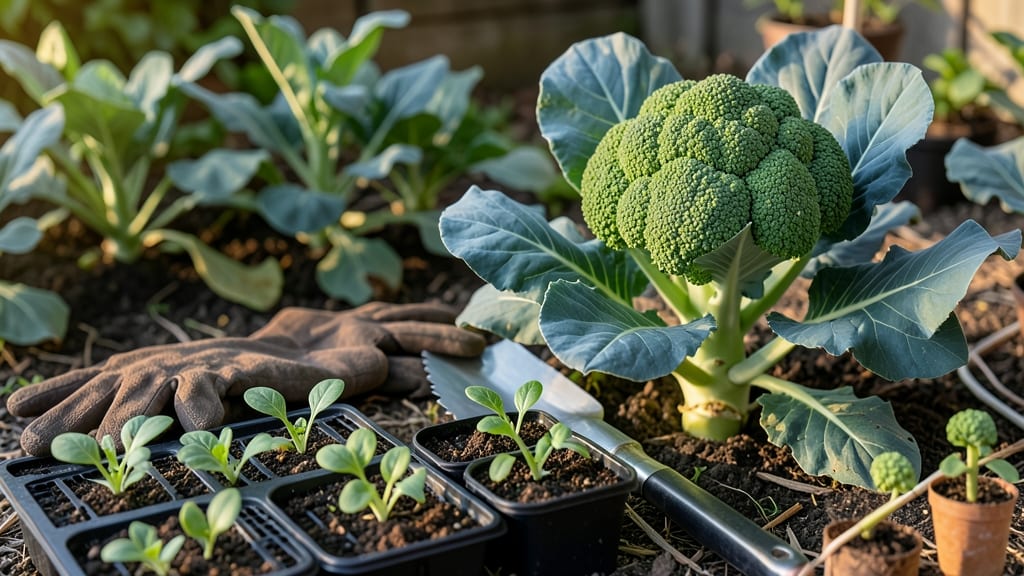
Planting broccoli in Zone 6b at the wrong time can turn your 🥦 dreams into bitter disappointment—too early, and frost zaps your seedlings; too late, and heat sends them bolting. The secret lies in knowing exactly when to get those seeds in the ground for a bountiful harvest.
For Zone 6b gardeners, timing is everything—spring planting should happen 4-6 weeks before your last frost date (around mid-March to early April), while fall crops need to go in 60-80 days before the first frost (late August to early September).
But it’s not just about dates; soil temperature plays a crucial role too.
If you’ve ever wondered why some broccoli plants thrive while others struggle, it’s often because of overlooked details like soil warmth (aim for 45-65°F) and proper spacing.
I’ll walk you through the exact steps to set your broccoli up for success, from pre-planting prep to the best varieties for your climate.
Ready to grow broccoli that’s bold, flavorful, and abundant? Let’s dive into the perfect planting schedule tailored just for Zone 6b, so you can enjoy homegrown greens from spring through fall.
Zone 6b broccoli planting timeline: frost dates & soil temperature rules
In Zone 6b, broccoli thrives when planted during cool-season windows—either early spring or late summer. The key to success lies in understanding your last frost date (typically April 15) and soil temperature (ideal range: 45–65°F).
Plant too early, and frost will damage seedlings; too late, and broccoli bolts from heat. Timing is everything!
Broccoli is a cool-weather crop that bolts (goes to seed) when temperatures rise above 75°F. In Zone 6b, this means spring planting should happen 4–6 weeks before your last frost, while fall planting requires seeding 60–80 days before the first frost (around October 20).
Let’s break down the exact months and soil conditions for each window.
Soil temperature is your best friend when planting broccoli. Seedlings need 45–50°F soil to germinate, while mature plants prefer 60–65°F. Use a soil thermometer to check—if it’s below 45°F, wait a few days or use black plastic mulch to warm the soil faster. Cold soil delays germination and weakens seedlings.
For spring planting, start seeds indoors 4–6 weeks before your last frost (around February 20–March 1 in Zone 6b). Transplant seedlings outdoors when soil reaches 45°F and nighttime temps stay above 35°F.
Harden off seedlings for 7–10 days before moving them to the garden to avoid shock. In my experience, March 15–April 1 is the sweet spot for transplanting.
If you prefer direct sowing, wait until soil warms to 45°F (usually late March–early April). Sow seeds ¼-inch deep, spacing them 12–18 inches apart in rows 24–36 inches apart.
Thin seedlings to 12–18 inches apart once they’re 2–3 inches tall. Direct sowing saves time but requires more precise timing to avoid frost damage.
Fall planting is trickier but rewarding. Start seeds indoors 8–10 weeks before your first frost (around August 1–15) or sow directly in late July–early August when soil cools below 75°F.
Choose heat-tolerant varieties like 'De Cicco' or 'Calabrese' to handle summer heat before the cooler fall sets in. Harvest should wrap up by October–November before hard frosts hit.
Pro tip: Use shade cloth during summer heatwaves to protect seedlings from bolting. I’ve found that 30–50% shade cloth keeps soil temps
Spring vs. fall broccoli planting in Zone 6b: which yields better?
Deciding whether to plant broccoli in spring or fall in Zone 6b depends on your harvest goals and risk tolerance. Both seasons offer advantages, but each comes with unique challenges that can make or break your crop.
I’ve grown broccoli in both seasons and found that fall plantings often yield more consistently—but spring can be more forgiving for beginners.
Spring broccoli thrives in cooler soil temperatures (45-65°F), which arrive in March-April for Zone 6b. However, summer heat can cause bolting—when plants flower prematurely—before you harvest. Fall broccoli, planted in August-September, avoids this heat stress and often produces larger, sweeter heads by October-November.
Here’s the breakdown of what works best for each season, including disease risks and succession planting tips to maximize your harvest.
Spring Planting (March-April)
- Earlier harvests (May-June)
- Longer growing season before summer heat
- Easier to manage pests (fewer insects in spring)
- Higher bolting risk if planted too late
- More disease pressure (downy mildew, cabbage worms)
- Requires succession planting for continuous yield
Fall Planting (August-September)
- Avoids summer heat stress (bolting risk drops)
- Larger, sweeter heads in cooler weather
- Fewer pests (fewer cabbage moths in fall)
- Shorter growing season (must time planting precisely)
- Early frost risk if planted too late
- Limited succession options in late fall
For spring plantings, start seeds indoors 4-6 weeks before your last frost date (around March 1 in Zone 6b). Transplant seedlings outdoors when soil reaches 45°F and nighttime temps stay above 40°F.
Use succession planting every 2 weeks to extend harvests—this means sowing new seeds every few weeks to replace bolting plants.
Fall plantings require more precision. Aim to transplant seedlings 60-80 days before your first frost (typically late August). Varieties like ‘Waltham 29’ or ‘De Cicco’ handle cooler temps well.
If frost threatens before harvest, use row covers to buy extra time. I’ve had success with fall broccoli lasting into November if planted early enough.
To decide which season works best for you, consider your garden space and time. Spring plantings demand more attention to pest control and succession planting, while fall broccoli rewards patience with higher yields and better flavor.
For a balanced approach, try both seasons—plant a few rows in spring and a few in fall to spread out your harvest.
Pro tip: Save seeds from your best-performing heads for next year’s garden. Broccoli seeds store well in a cool, dry place, and you’ll save money while ensuring varieties suited to your Zone 6b climate. 🌱