
Plants
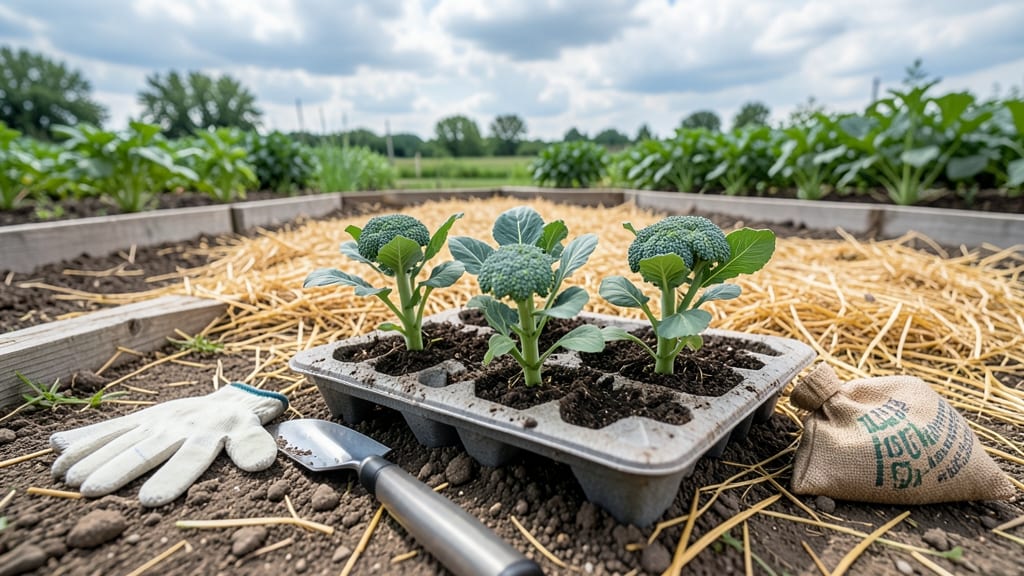
Planting broccoli 🥦 in North Carolina’s fall season isn’t just about timing—it’s about unlocking a harvest that tastes sweeter and lasts longer than you’d expect. The key lies in those crisp mid-August to early September weeks, when temperatures are just right for transplants to thrive before winter sets in.
Many gardeners in zones 7a-8b miss the window because they assume fall planting is too tricky, but with the right schedule, you can enjoy fresh broccoli from November right through February.
I’ve grown mine through multiple winters, and the secret isn’t just when you plant—it’s how you prep the soil and protect your crop from early frosts.
What you’ll discover here is the exact 8-10 week rule before your first frost date, plus which cold-hardy varieties like ‘Waltham 29’ perform best in NC’s climate. Whether you’re a beginner or a seasoned gardener, these tips will help you avoid common mistakes that waste time and money.
Ready to transform your garden into a broccoli powerhouse? Let’s break down the step-by-step schedule that’s worked for me—and how to stretch your harvest even longer with simple tricks. Your taste buds (and dinner table) will thank you.
NC fall broccoli planting timeline: exact weeks before first frost
North Carolina’s fall broccoli season thrives on precise timing—too early, and your plants bolt; too late, and frost ruins your crop. The key is planting 8-10 weeks before your region’s first frost, which varies dramatically across Coastal, Piedmont, and Mountain zones.
Let’s break down the exact windows for transplanting and seed-starting to ensure a bumper harvest before winter sets in.
For Coastal NC, where first frosts average November 15, your last transplant window opens in mid-September. In the Piedmont, with frosts arriving around October 25, you’ll want transplants in by early September.
Meanwhile, Mountain regions (frost by October 10) need transplants in by late August for a successful fall crop. These deadlines ensure your broccoli matures before temperatures dip below 25°F.
Direct sowing is also an option, but it requires earlier action. For Coastal areas, sow seeds by mid-August; in the Piedmont, start by late July; and in the Mountains, begin as early as June. Seedlings take 45-60 days to reach harvest, so timing is critical to avoid bolting from heat stress.
🌱 Pro Tip: Use cold-hardy varieties like 'Waltham 29' or 'De Cicco' for fall planting. These tolerate light frosts (28°F) and produce tight heads even in cooler weather.
| Region | Avg. First Frost | Transplant Window | Seed-Starting Window | Harvest Window |
|---|---|---|---|---|
| Coastal NC | Nov 15 | Mid-Sept to Oct 1 | Mid-Aug to Sept 15 | Nov 1 - Dec 15 |
| Piedmont NC | Oct 25 | Early Sept to Sept 20 | Late July to Aug 30 | Oct 15 - Nov 30 |
| Mountain NC | Oct 10 | Late Aug to Sept 10 | June to July 31 | Sept 20 - Oct 30 |
If you’re starting seeds indoors for a head start, begin 4-6 weeks before your preferred transplant date. For Coastal NC, that means late July to early August; in the Piedmont, start by mid-July; and in the Mountains, kick off by mid-June.
Use grow lights to prevent leggy seedlings, and harden off plants for 7-10 days before transplanting.
Soil temperature plays a crucial role. Broccoli seeds germinate best in soil 45-85°F. In Coastal NC, soil stays warm longer, so late August sowings work well.
In higher elevations, wait until soil cools to 60-70°F (usually late August) to avoid bolting. Test your soil’s temperature with a soil thermometer for accuracy.
💧 Watering Tip: After transplanting, keep soil consistently moist but not soggy. Mulch with straw or shredded leaves to retain moisture and suppress weeds. Avoid overhead watering in the evening to prevent disease like downy mildew.
For extended harvests, consider succession planting. In Coastal NC, sow a second batch in early October for a winter crop (harvest before hard frosts). In cooler Piedmont/Mountain regions, a late-September sowing may yield small heads before frost.
Just be prepared to protect plants with row covers if temperatures dip below 28°F.
Monitor your local frost forecast using tools like the NC State Climate Office or Almanac’s Frost Calculator. Adjust your planting dates if your area experiences earlier or later frosts than average.
For example, if your first frost arrives 2 weeks early, shift your transplant window 2 weeks earlier to stay on schedule.
Finally, prioritize soil fertility. Broccoli is a heavy feeder, so amend your beds with compost or aged manure before planting. A balanced fertilizer (10-10-10) applied at transplanting and again 4-6 weeks later ensures robust growth.
Avoid over-fertilizing with nitrogen, which can lead to leafy growth at the expense of heads.
With these region-specific timelines and tips, you’ll be well on your way to a bount
How to extend your broccoli harvest through winter in NC
North Carolina’s fall frost dates create a unique opportunity to grow broccoli well into winter—if you choose the right cold-hardy varieties and protect them properly. With the right techniques, you can enjoy fresh broccoli harvests from November through February, even when temperatures dip below freezing.
The key lies in selecting frost-tolerant varieties and using protective measures like row covers and mulching to shield plants from light frosts.
For winter success, focus on broccoli varieties like 'Waltham 29' or 'De Cicco', which thrive in cooler temperatures and can withstand 25-30°F without damage. These varieties also produce tight, flavorful heads even in shorter daylight hours.
Pair them with soil preparation that includes compost and organic matter to improve drainage and nutrient retention—a must for winter gardening.
Extending Broccoli Harvest in NC Winter
✅ Pros
- Cold-hardy varieties survive 25-30°F frosts
- Row covers add 5-10°F protection against light frosts
- Mulching insulates roots and retains moisture
- Extended harvest from November to February
- Higher yields in cooler fall/winter months
❌ Cons
- Row covers require sturdy stakes to prevent collapse
- Heavier mulch may compact soil if not fluffed
- Pests like cabbage worms thrive in cooler weather
- Limited sunlight in winter may slow growth
- Frost damage possible below 20°F without protection
Pro Tip: Use floating row covers for light frost protection (up to 28°F) and low tunnels for heavier protection (down to 20°F).
Start by amending your soil with aged compost or well-rotted manure to improve fertility and drainage. Aim for a pH between 6.0 and 7.0, as broccoli thrives in slightly acidic to neutral soil.
Add a 2-3 inch layer of straw mulch around plants after transplanting to insulate roots and retain moisture. This mulch layer also suppresses weeds, reducing competition for nutrients during the critical fall-to-winter transition.
To shield your plants from light frosts, invest in floating row covers made from lightweight fabric like Reemay. These covers trap heat during the day and release it slowly at night, protecting plants down to 28°F.
For heavier frost protection (below 20°F), construct a low tunnel using PVC pipes and the same row cover material. This creates a mini greenhouse effect that can extend your harvest window by 4-6 weeks into winter.
Monitor your plants closely for signs of frost damage, such as wilting leaves or yellowing heads. If frost hits unexpectedly, cover plants with blankets or old towels for immediate protection.
Remember, broccoli can tolerate light frosts (down to 25°F) without harm, but hard frosts (below 20°F) will damage leaves and heads. Harvest any mature heads before temperatures drop below 25°F to ensure quality.
Finally, don’t forget to harvest side shoots for an extended supply. After cutting the main head, small secondary shoots will form along the stalk. These can be harvested 2-3 weeks later, giving you a second crop without replanting.
With these techniques, you’ll enjoy a bountiful broccoli harvest long after most gardeners have packed up for the season.