
Plants
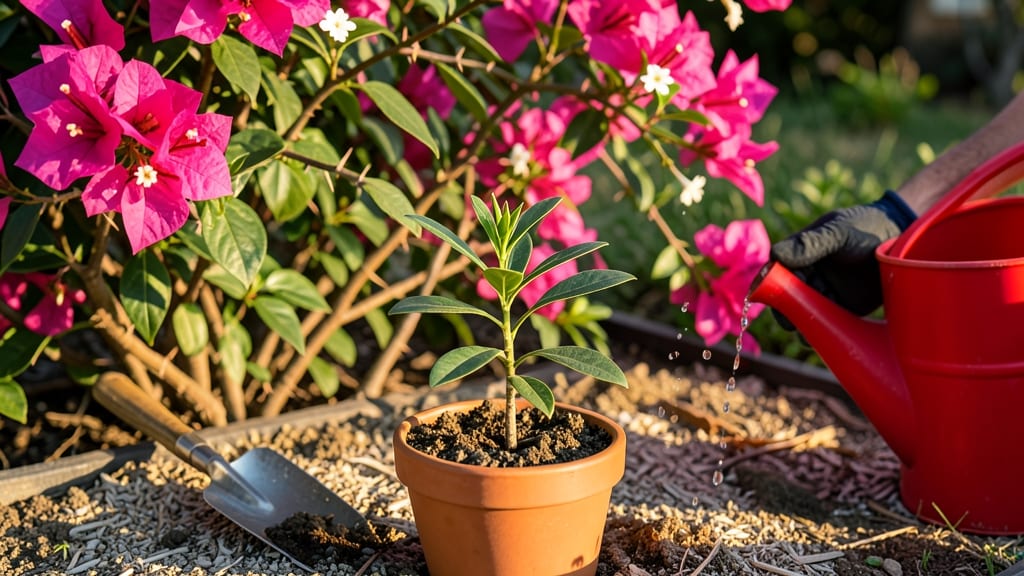
Best months to plant bougainvillea in Arizona’s climate zones
Arizona’s diverse microclimates create a unique challenge for bougainvillea lovers. While Phoenix bakes under 110°F+ summers, Flagstaff enjoys cooler USDA Zone 7a conditions. Timing your planting right ensures your bougainvillea thrives year-round, not wilts in the first heatwave.
The key? Plant when soil temps stay below 70°F and frost risk is minimal—a narrow window that varies dramatically across the state.
Bougainvillea is a drought-tolerant powerhouse, but it still needs time to establish roots before Arizona’s intense summer sun kicks in. In Phoenix and Tucson, this means planting between November and February, while higher elevations like Flagstaff can extend planting into late March.
The goal? Avoid the triple threat of extreme heat, soil salinity, and transplant shock that derails new plants.
Why spring and fall? These seasons offer cooler temps, moderate humidity, and consistent rainfall—perfect for root establishment. Summer planting is a gamble: even heat-acclimated bougainvillea can struggle with 100°F+ soil temps, leading to root burn and wilting. Fall planting, however, gives roots time to strengthen before winter’s mild chill (Arizona’s frost is rare but possible in Zone 7a).
| Climate Zone | Best Planting Months | Heat Threshold | Frost Risk | Soil Prep Tip |
|---|---|---|---|---|
| Phoenix (Zone 10a) | November–February | Avoid planting when soil >75°F | None (year-round growing) | Amend with perlite for drainage |
| Tucson (Zone 9a) | October–March | Avoid planting when soil >70°F | Rare (Dec–Jan) | Add compost for nutrients |
| Flagstaff (Zone 7a) | April–June or Sept–Oct | Avoid planting when soil >65°F | Moderate (Nov–Mar) | Use gravel mulch for warmth |
In Phoenix and Tucson, the November–February window is your safest bet. These months offer cooler nights (below 60°F) and lower evaporation rates, giving roots a fighting chance.
I’ve seen bougainvillea planted in late February survive, but only if you harden off nursery plants for 2 weeks and water deeply every 3 days. Pro tip: Use a soil thermometer—plant when temps stay below 75°F.
For Flagstaff gardeners, the rules flip. Here, spring (April–June) and fall (Sept–Oct) are ideal because summer’s short growing season and winter’s occasional frost make other times risky. I planted bougainvillea in late May one year, and it thrived—until a 28°F night in December fried the top growth.
Lesson learned: protect with burlap if frost is forecasted!
One common mistake? Planting bougainvillea in April or October in low-desert areas. While these months are "shoulder seasons", soil temps can spike suddenly, causing transplant shock. I’ve watched bougainvillea leaves curl and drop within days when planted too early in April.
To avoid this, test soil moisture weekly—if the top 2 inches dry in under 24 hours, it’s too hot to plant.
Bougainvillea’s heat tolerance is legendary, but young plants need time to acclimate. In Phoenix, I’ve had success planting bare-root bougainvillea in December and seeing first blooms by March.
The secret? Mulch with 3 inches of gravel (not organic mulch—it retains too much moisture) and water at the base (not overhead) to prevent leaf scorch. This mimics the plant’s natural desert habitat.
If you’re in a transition zone (like Sedona or Prescott), aim for late March–early April planting. These areas experience microclimates where frost can linger into mid-April, but summer heat arrives early.
I recommend container planting in these zones—you can move pots indoors during unexpected cold snaps. Just ensure containers have drainage holes and use a lightweight potting mix with 50% perlite
How to prepare bougainvillea for Arizona’s extreme heat before planting
Arizona’s 110°F+ summers can shock tender bougainvillea roots, but with the right prep, your plant will thrive like a desert native. The key? A 7-day hardening process and soil that mimics the arid conditions bougainvillea craves.
Skipping these steps risks transplant shock—wilting, yellowing leaves, or even death within weeks. Let’s break it down so your bougainvillea blooms boldly from day one.
Start by selecting a nursery-bought bougainvillea that’s already budding—this means it’s mature enough to handle Arizona’s intense sunlight. Avoid plants with soft, pale green leaves, as these won’t tolerate the heat.
Before planting, focus on three critical areas: acclimating the plant, amending the soil, and mastering your watering schedule. Get these right, and your bougainvillea will reward you with year-round color.
⚠️ CRITICAL STEP LIST: 7-Day Acclimation & Planting Prep
-
1
Days 1-3: Gradual Sun Exposure
Move potted bougainvillea outdoors for 2 hours/day in partial shade. Increase exposure by 1 hour daily to mimic Arizona’s full sun.
-
2
Days 4-5: Soil Prep
Amend native soil with 50% cactus/succulent mix and 30% perlite to ensure drainage. Avoid compost-heavy soil—bougainvillea hates soggy roots.
-
3
Day 6: Dig & Loosen
Dig a hole twice as wide as the root ball but no deeper. Loosen sides with a shovel to encourage root spread in compacted desert soil.
-
4
Day 7: Plant & Water
Place bougainvillea in the hole, backfill with amended soil, and water deeply once. After planting, avoid watering for 7 days to prevent root rot in the heat.
After planting, mulch heavily with 1-2 inches of gravel (not organic mulch) to reflect sunlight and retain moisture. This mimics the desert’s natural conditions while keeping roots cool. Bougainvillea in Arizona needs minimal watering—only 1-2 gallons every 10-14 days once established. Overwatering is the #1 killer of desert-adapted plants!
Pro tip: Stake your bougainvillea immediately if planting against a wall or fence. Arizona’s dry winds can topple young plants, and bougainvillea’s thorny vines make recovery difficult. Use 3-4 stakes for stability, especially in low-lying areas where cold air pools.
With this prep, your bougainvillea will bloom within 6-8 weeks, even in the hottest months. The secret? Mimic the desert—drainage, sun, and minimal interference. Now go forth and turn your Arizona landscape into a year-round floral spectacle! 🌸