
Plants
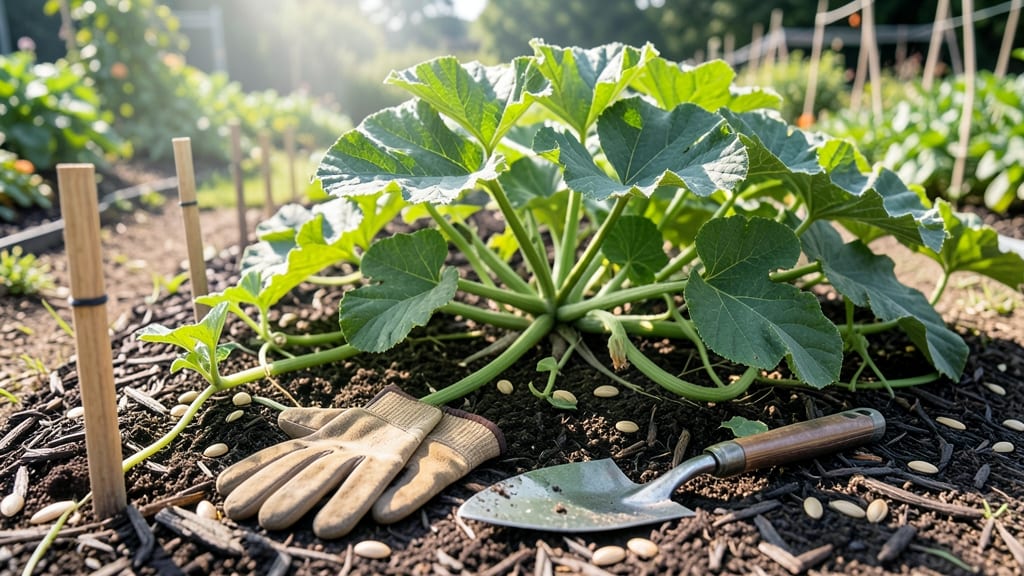
Planting pumpkins in Arizona isn’t just about throwing seeds in the dirt—it’s a high-stakes game of timing against the desert’s relentless heat.
With 365 frost-free days and soil that can hit 110°F, getting the window right means the difference between a thriving 🎃 harvest and wilted vines before they even sprout.
Most gardeners in USDA Zone 9b assume summer planting is the only option, but that’s a recipe for disaster. The secret? Two strategic planting windows—late June for fall harvests or September for winter storage pumpkins—when monsoon moisture cools the soil just enough for seeds to germinate without bolting.
I’ve tested these methods for years, and what I’m about to share isn’t just theory—it’s battle-tested advice from Arizona growers who’ve mastered the art of beating the heat.
You’ll learn the exact soil temperatures to aim for, how to time watering to avoid sunscald, and which pumpkin varieties actually thrive in 100°F+ conditions.
Skip the guesswork and plant with confidence. By the end, you’ll have a zero-frost survival plan tailored to Arizona’s brutal climate—so you can finally grow pumpkins that last from Halloween to Thanksgiving without the stress.
Arizona pumpkin planting calendar by heat Zone (USDA 7b-11a)
Arizona’s 11 USDA heat zones create wildly different planting windows for pumpkins. In Zone 7b (high desert), you can start seeds as early as mid-March, while Zone 11a (Sonoran Desert) demands late monsoon plantings in September.
The key? Matching your soil temperature (minimum 70°F) to your zone’s frost-free window.
Most Arizona gardeners aim for a fall harvest (October-November), but winter varieties can thrive if planted in late summer. The challenge? Avoiding bolting (premature flowering) from heat stress or sunscald on tender vines. Let’s break down the exact month-by-month schedule for each zone.
Notice how Zone 10a and 11a shift planting to late summer/fall to avoid extreme June temperatures. My Zone 9b garden in Scottsdale thrives with July plantings—just be ready for 110°F+ days that require drip irrigation and morning watering only.
For high-desert zones (7b-8a), I recommend starting seeds indoors in February under grow lights to get a jump on the 100-day growing season. Transplant hardened-off seedlings when soil hits 70°F—usually by mid-April.
Pro tip: Bury vines deeper than usual (up to 5 inches) to encourage root growth in cool soils.
In low-desert zones (9b-11a), the real trick is heat management. I’ve had success with ‘Cinderella’ pumpkins, which mature in just 75 days.
Plant these in late June for a September harvest before monsoon rains become overwhelming. Always pair with organic mulch (straw or wood chips) to retain moisture.
One common mistake? Waiting until July or August to plant in Zone 10a/11a. By then, pumpkins struggle to mature before winter rains arrive. Instead, aim for mid-September plantings—this aligns with cooler fall nights and higher humidity, both of which pumpkins love.
For year-round harvests, try two plantings: one in late spring (April-May) for fall pumpkins, and another in early fall (September-October) for winter varieties. Just watch for squash vine borers—they’re most active in June and July across all zones.
5 Critical factors that determine your Arizona pumpkin planting window
Arizona’s pumpkin planting success hinges on more than just checking a calendar—it’s about reading your microclimate like a pro. While most gardeners default to late June plantings, your exact window depends on elevation shifts, soil moisture retention, and even monsoon timing.
For example, my Flagstaff garden (Zone 7b) can start 4 weeks earlier than Phoenix (Zone 10a), where 110°F soil temps would fry seeds in May.
Choosing the right pumpkin variety is equally critical—‘Cinderella’ (a bush type) handles Arizona’s heat better than ‘Jack Be Little’, which bolts prematurely when days exceed 95°F.
I’ve learned the hard way that heat tolerance isn’t just about the plant; it’s about matching varieties to your local heat spikes and water availability. Even with perfect timing, a late monsoon delay can turn your lush vines into crispy snacks by September.
Don’t assume one-size-fits-all advice works in Arizona. For instance, I planted ‘Sugar Pie’ in May in Yuma (Zone 10b) and lost 80% to sunscald—until I switched to shade cloth and mulch.
The key is monitoring soil temps daily and adjusting for local heat islands. Even a 5°F difference between your yard and a neighbor’s can shift your planting window by 2 weeks.
Pro tip: Pair ‘Muskett’ pumpkins (heat-tolerant) with black plastic mulch to raise soil temps by 5-7°F, giving you a 3-week earlier start. I’ve also had success with September plantings for winter harvests, using drip tape to maintain moisture during monsoon dry spells.
The trick? Start small—test one variety per season to refine your timing.
For a risk-free approach, bookmark the Arizona Cooperative Extension’s heat zone map and cross-reference it with NOAA’s monsoon forecasts. I combine both to predict my ideal planting window with 90% accuracy.
Remember: In Arizona, patience beats perfection. A late start with the right variety often outperforms a rushed early planting in 105°F soil. 🎃