
Plants
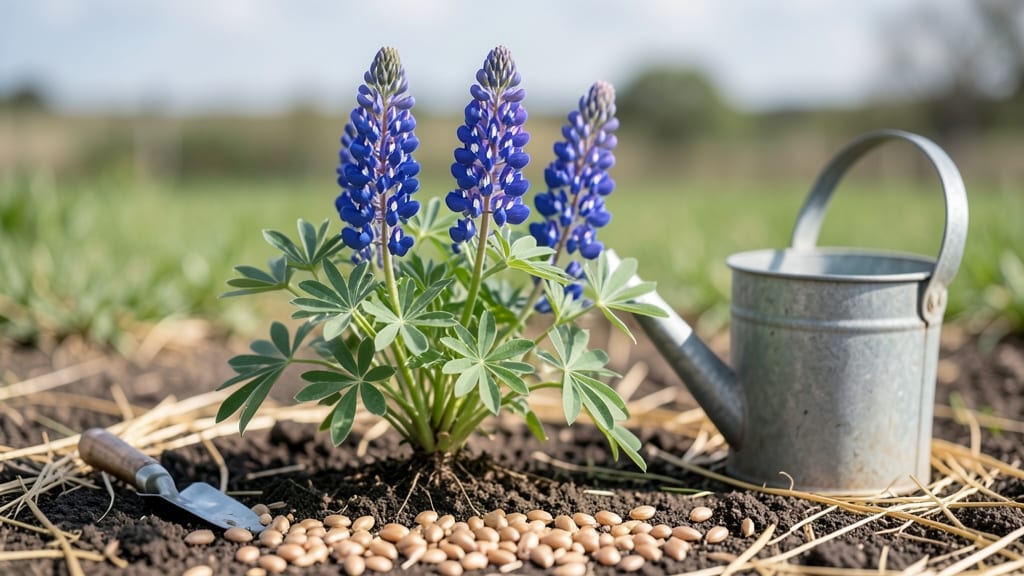
Ideal fall planting timeline for Houston bluebonnets
Houston’s fall planting window for bluebonnets is your golden opportunity to establish these iconic Texas wildflowers before winter sets in. The key is planting when soil temperatures drop below 90°F but before the first frost—typically between late September and November.
This timing lets seeds germinate slowly over winter, creating strong roots for spring blooms.
Unlike northern regions, Houston’s USDA Zone 9a climate means you avoid harsh freezes, but you still need to work with our unpredictable rainfall patterns. Too early, and summer heat will bake seeds before germination.
Too late, and frost can kill young seedlings. Let’s break it down month by month to maximize your success.
For October planting, my top recommendation, aim for the first two weeks when daytime highs hover around 80°F. This gives seeds time to germinate before cooler temperatures set in. Houston’s average first frost date is December 1, so anything planted after mid-November risks seedling damage.
If you’re in a warmer microclimate (like near the coast), you might push planting to early November. Conversely, inland areas should plant by late October to avoid frost. Always check local weather forecasts—Houston’s sudden cold snaps can catch gardeners off guard.
Bluebonnet seeds need light to germinate, so skip burying them. Simply scatter seeds on prepared soil and lightly rake to ensure contact. After planting, apply a thin layer of mulch (¼ inch) to protect seeds from heavy rains while allowing moisture penetration.
This is especially important in Houston’s flash flood-prone areas.
Adjust your timeline if Houston experiences an early heatwave in fall. If soil stays above 90°F past September, delay planting until temperatures drop. Conversely, if we get an unseasonably cold snap, consider using a frost cloth for newly planted seeds to buy extra time.
Remember that bluebonnets are perennials in Houston, meaning they’ll return year after year if planted correctly. The fall window isn’t just about this season—it’s about establishing a self-sustaining wildflower meadow that will thrive for decades with minimal maintenance.
Pro tip: Mark your planting date on your calendar and set reminders for spring maintenance (like deadheading spent blooms). This ensures your bluebonnets put energy into next year’s flowers rather than seed production. With the right timing, you’ll have a sea of blue that makes Houston’s spring truly unforgettable.
Houston-specific conditions that affect bluebonnet germination
Houston’s unique climate—hot summers, humid winters, and clay-heavy soil—creates challenges for bluebonnet germination that differ from other Texas regions. The soil pH here often sits between 6.0 and 7.5, ideal for bluebonnets, but drainage becomes a critical factor.
Unlike sandy soils in West Texas, Houston’s heavy clay can trap moisture, leading to root rot if not amended properly.
Urban heat islands in Houston also raise soil temperatures, which can accelerate seed germination too quickly or cause seeds to dry out before sprouting. Additionally, standing water after heavy rains is a common issue, especially in low-lying areas.
These conditions require adjustments to traditional planting methods to ensure your bluebonnets thrive.
⚠️
Houston-Specific Warning: Clay Soil & Drainage Risks
Houston’s clay soil can suffocate bluebonnet seeds if not loosened. Test drainage by digging a 6-inch hole—if water pools after 6 hours, amend with compost or sand. Urban heat may cause premature germination; plant in partial shade if temperatures exceed 90°F.
To combat Houston’s compacted clay, I recommend adding organic matter like compost or leaf mold to improve soil structure. Aim for a 1:1 ratio of native soil to amendment in the top 6 inches of planting area.
This creates air pockets for roots while retaining moisture without waterlogging. For urban gardens, consider raised beds to elevate seeds above potential standing water.
Another Houston-specific challenge is weed competition, especially in disturbed clay soil. Bluebonnets are slow to establish, so pre-emergent herbicides can harm them. Instead, I use mulch made from straw or pine needles to suppress weeds while allowing sunlight to reach seeds.
Apply a 2-inch layer after planting to protect seeds from erosion during Houston’s sporadic fall rains.
Monitor soil moisture closely—bluebonnets need consistent but not soggy conditions. In Houston’s humid climate, overwatering can lead to fungal diseases like damping-off. Water deeply once a week unless we experience prolonged dry spells, then increase to twice weekly. Early morning watering minimizes evaporation and fungal risks.
Finally, Houston’s late fall rains can wash away newly planted seeds. If planting in October or November, scatter seeds on bare soil and lightly press them in with a board.
Avoid covering them—bluebonnets need light to germinate. For extra protection, consider planting in micro-clusters rather than large patches to reduce erosion risks.