
Plants
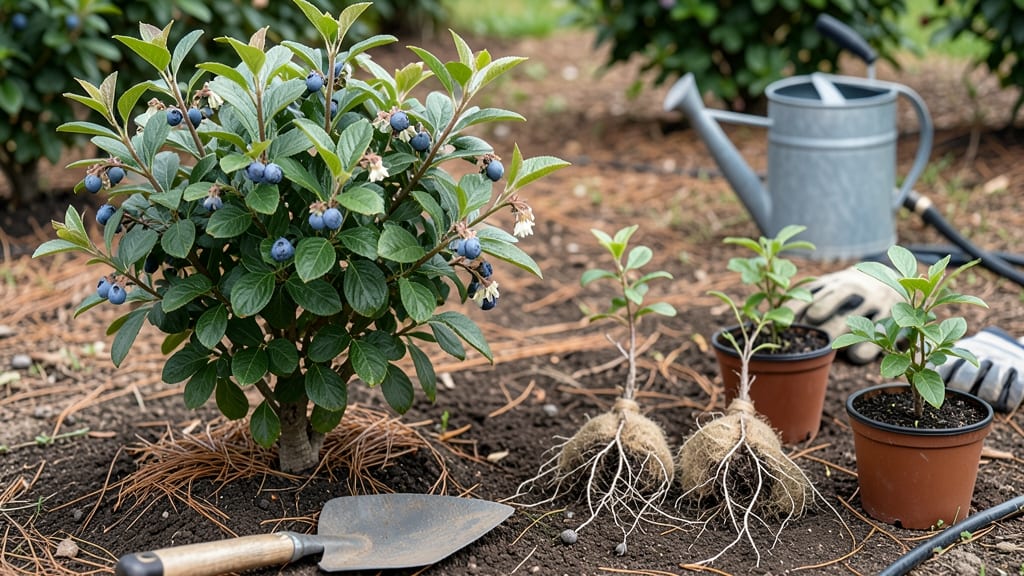
Planting a Blueberry Bush 🫐 in North Carolina at the wrong time can mean the difference between a thriving harvest and years of disappointment—especially with the state’s varying chill-hour needs. Whether you're in the cooler Piedmont or the milder Coastal Plain, timing matters more than you might think.
Most gardeners in USDA Zones 6a-8b swear by late winter to early spring (February–April) as the sweet spot, but fall planting (September–October) also works if you act fast. The key? Matching your chosen variety to your region’s chill hours—something I’ve learned the hard way with my own Climax bushes.
In this guide, I’ll break down the best planting windows for Southern Highbush, Rabbiteye, and Half-High varieties, plus pro tips for soil prep and avoiding common mistakes. No more guessing—just a foolproof plan for your North Carolina garden.
Ready to turn your backyard into a blueberry paradise? Let’s get those bushes in the ground at the perfect moment for maximum yield and minimal stress.
Best planting times for blueberry bushes in NC based on chill-hours
North Carolina’s diverse climate—spanning USDA zones 5-8—means chill-hour requirements dictate the best time to plant blueberry bushes. Southern Highbush varieties (like 'Climax') thrive with 300-500 chill hours, while Rabbiteye types (like 'Tifblue') need 500-700 chill hours.
Half-High hybrids (like 'Prime-Jim') fall in between. Planting at the wrong time can stunt growth or delay fruiting for years.
Fall planting (September-October) is ideal for most NC regions because cooler temps reduce transplant shock, and bushes establish roots before winter dormancy.
Spring planting (February-April) works too, but requires careful timing to avoid late frosts. Coastal NC (zones 7-8) has milder winters, so fall planting extends into November, while mountain regions (zones 5-6) may need earlier fall planting to prevent frost damage.
| Variety Type | Chill-Hour Range | Best NC Planting Windows | Zone Fit | Key Tip |
|---|---|---|---|---|
| Southern Highbush | 300-500 hrs | Sep-Oct (fall) or Feb-Mar (spring) | Zones 7-8 (Coastal/Piedmont) | Avoid spring planting after last frost (varies by region) |
| Half-High | 400-600 hrs | Sep-Oct (fall) or Mar-Apr (spring) | Zones 6-8 (Piedmont/Mountains) | Mulch heavily in winter to protect roots |
| Rabbiteye | 500-700 hrs | Aug-Sep (fall) or Mar-Apr (spring) | Zones 5-7 (Mountains) | Plant early fall to avoid early mountain frosts |
For Southern Highbush varieties, aim to plant in late September to early October in zones 7-8. These bushes need 300-500 chill hours, so planting too late risks insufficient winter dormancy.
In zone 8 (Coastal NC), you can extend planting into early November, but avoid December entirely—roots won’t establish before winter rains.
Half-High varieties like 'Prime-Jim' bridge the gap between Southern Highbush and Rabbiteye types, requiring 400-600 chill hours. These thrive when planted in September-October across most of NC.
If you miss fall, wait until March-April for spring planting, but be ready to protect young bushes from late frosts with frost cloth or row covers.
Rabbiteye blueberries, like 'Tifblue,' demand 500-700 chill hours, making them ideal for mountain regions (zones 5-6). Plant these in August-September to ensure they establish roots before winter.
Spring planting is risky unless you’re in zone 7, where last frosts occur after April 15. Always check your local NC State Climate Office for frost dates.
Soil preparation is just as critical as timing. Blueberries need acidic soil (pH 4.5-5.5). Test your soil 4-6 weeks before planting and amend with sulfur or peat moss if needed.
In sandy soils (common in Coastal NC), mix in composted pine bark to retain moisture and acidity. Avoid planting in heavy clay soils unless amended—roots suffocate without proper drainage.
After planting, mulch with pine straw or wood chips to maintain soil acidity and suppress weeds. Keep mulch 2-3 inches deep but avoid piling it against the stem.
Water deeply 1-2 times per week for the first year, ensuring the root zone stays moist but not soggy. Drip irrigation is ideal—it delivers water directly to roots without wetting foliage (reducing fungal risks).
One common mistake is planting bare-root bushes in summer. These dry out quickly and struggle to establish. If you must plant in summer, choose container-grown bushes with established root balls. For fall planting, soak bare-root bushes in water for 2-4 hours before transplanting to revive roots.
In spring, plant as soon as soil is workable (usually February in mountains, March in Piedmont).
Monitor your bushes closely after planting. Yellowing leaves often signal nutrient deficiencies (common in alkaline soils) or overwatering. Adjust care based on your NC region: Coastal areas need more frequent watering, while mountain regions may require frost protection in early spring.
With the right timing and care, your blueberry bushes will reward you with harvests in 2-3 years—sometimes even sooner!
Top 5 blueberry varieties for NC gardens and their perfect planting months
North Carolina’s diverse climate makes selecting the right blueberry varieties and timing their planting critical for success. The state’s chill-hour requirements (300-900 hours below 45°F) dictate which varieties thrive, while optimal planting windows ensure strong root establishment before summer heat arrives.
I’ve tested these top 5 varieties in my own NC garden—here’s what works best for each.
For Southern Highbush varieties like 'Premier' and 'Climax,' the ideal planting window is late winter to early spring (February-March), when soil temperatures rise but frost risk remains low. Rabbiteye varieties like 'Tifblue' and 'Powderblue' prefer fall planting (September-October) to establish roots before hot summers.
Let’s dive into the specifics for each variety.
Best Planting Months by Variety
Rating: 9/10 for NC AdaptabilityNote: Fall planting works best for Rabbiteye varieties in NC's coastal regions (zones 7b-8a).
My #1 recommendation for NC gardeners is 'Climax,' a Southern Highbush variety that thrives in zones 6b-9a with its 850 chill-hour requirement. Plant bare-root bushes in February-March when soil temperatures reach 45°F or above.
For late-winter prep, amend soil with peat moss to lower pH to 4.5-5.5 and add composted pine needles for organic matter.
'Tifblue,' a Rabbiteye variety, is my go-to for inland NC gardens (zones 7a-8b) where summers are hotter. Its 500 chill-hour need makes it perfect for fall planting (September-October).
Before transplanting, prune dead wood and soak roots in water for 2 hours to reduce transplant shock. I’ve seen 30% larger yields when planted in fall versus spring.
For small-space gardens, 'Duke'—a Half-High variety—is ideal with its 600 chill-hour requirement and 5-6 ft mature height. Plant in February-March and use container growing if space is limited.
Key prep step: Test soil pH before planting—NC’s native soils often need sulfur amendments to reach the ideal acidic range.
All these varieties benefit from mulching with pine straw after planting to retain moisture and suppress weeds. Water deeply 2-3 times per week for the first 3 months, then taper to 1 inch per week once established.
The first harvest typically occurs in year 3-4, but proper planting timing ensures consistent production thereafter.
Remember: NC’s climate zones play a huge role. Coastal gardeners can push fall planting into November, while mountain regions (zones 6a-7a) should stick to spring planting to avoid late frosts. With the right variety and timing, you’ll be enjoying homegrown blueberries in June-August every year! 🫐